Finexer Open Banking Blogs
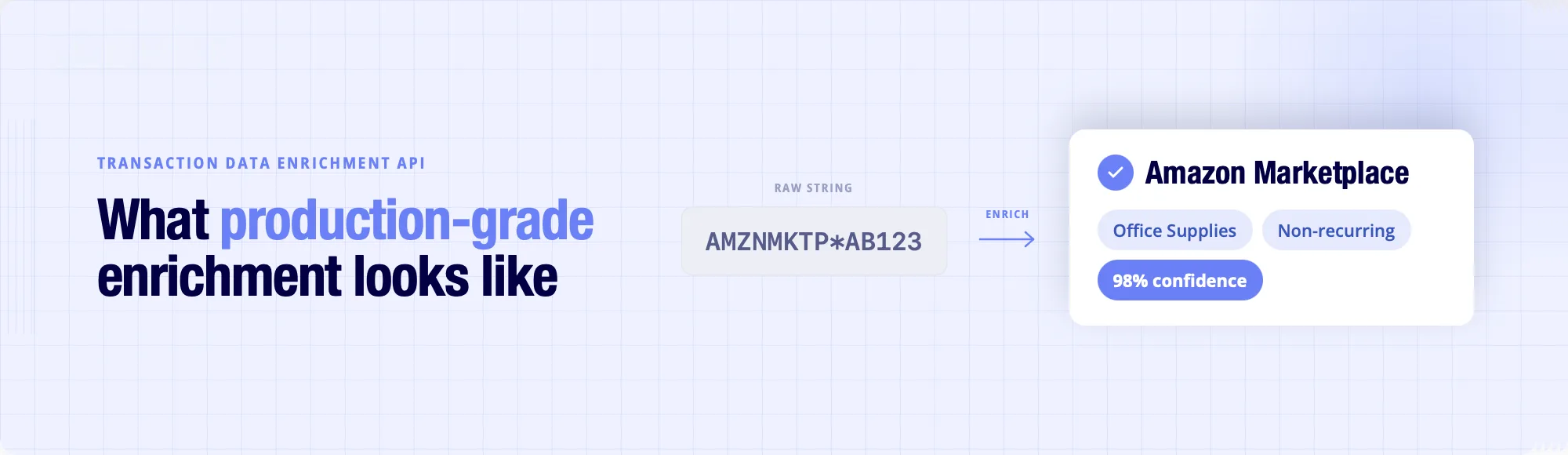
UK Transaction Data Enrichment API: Pricing & Accuracy
“AMZNMKTP*AB123” tells your reconciliation engine nothing. A transaction data enrichment API turns that string into Amazon Marketplace, Office Supplies, non-recurring, in one API call. This guide covers merchant-match accuracy, data enrichment API pricing models, structured JSON schema across UK banks and what separates production-grade enrichment from a categorisation feature bolted onto a data feed.
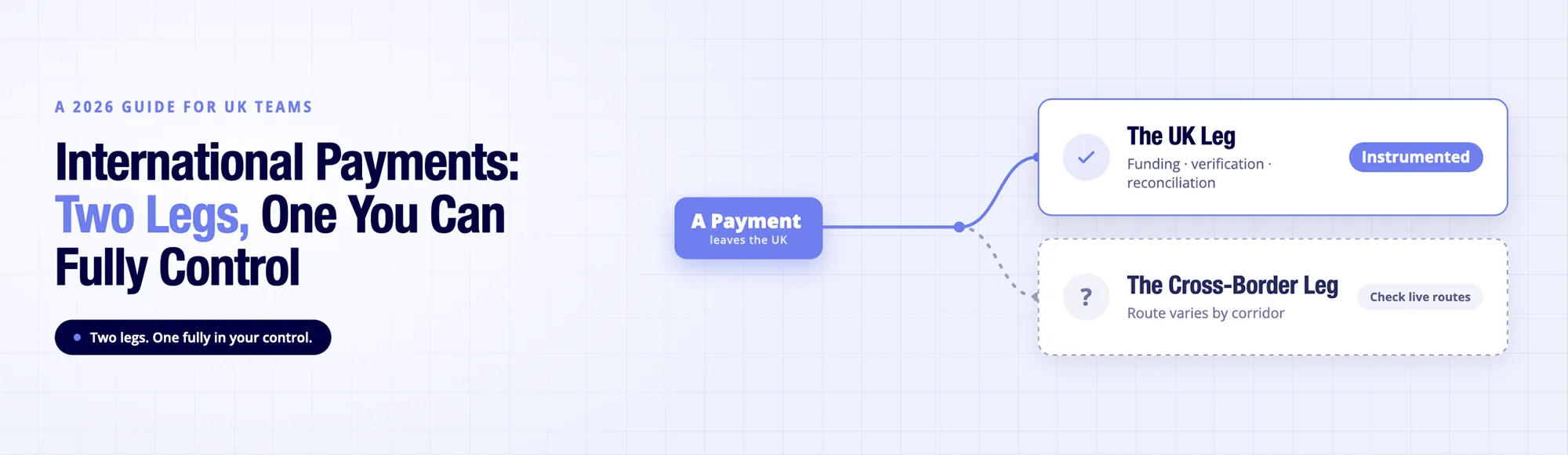
International Payments Still Break at Scale. Here Is Why.
International payments from the UK are two journeys joined together: a fast domestic leg and a slower cross-border leg where fees and visibility hide. This guide explains how each leg works, the four real costs, what Open Banking can and cannot change, and how to compare international payout services properly.
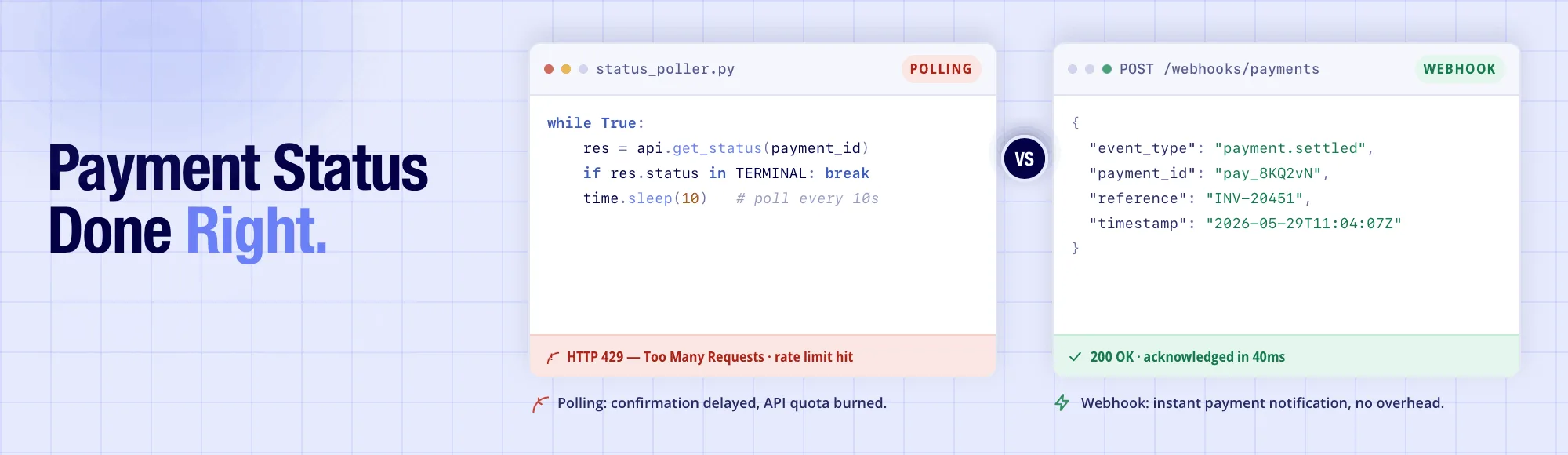
Payment Status Tracking: Webhooks vs Polling and the Open Banking Approach
Payment status is one of those things that looks simple until you are running payment workflows at volume on a UK platform. Polling creates rate limit pressure, confirmation delays, and reconciliation gaps that compound with scale. This is how webhooks, idempotency, and bank-confirmed instant payment notification change the operational picture for engineering and product teams.
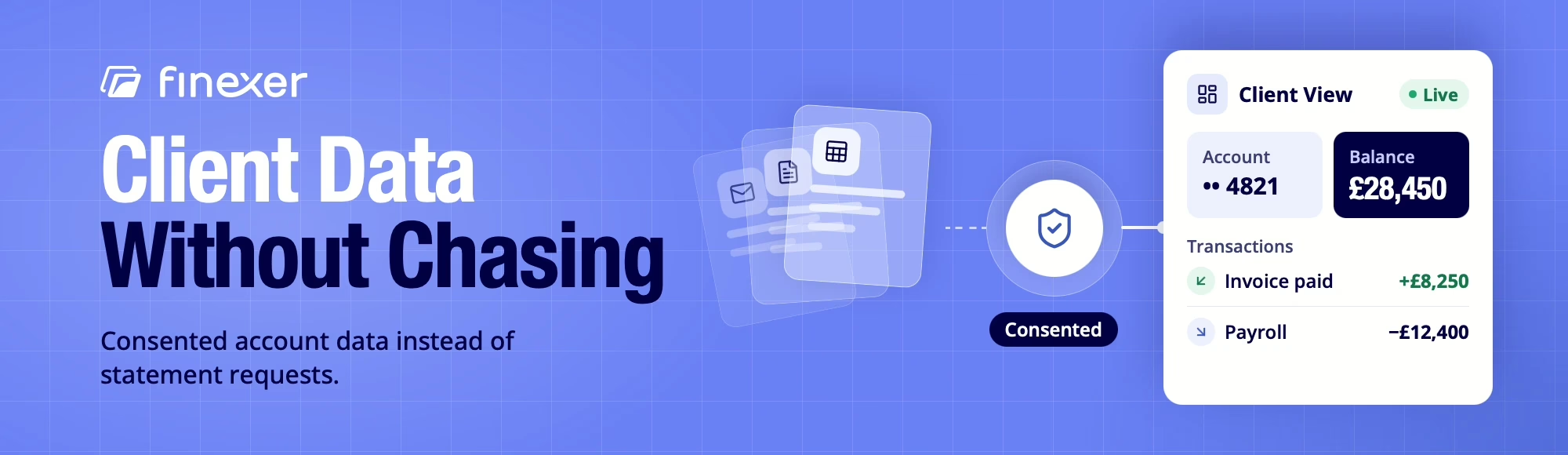
Financial Advisory Services: Client Data Without Chasing
Financial advisory services firms need a current client financial picture without repeated statement requests. This guide shows how consented account access can replace document chasing, support corporate financial advisory services across multiple accounts and give platforms a stronger foundation for Open Banking financial services while keeping data quality, consent, coverage and regulatory requirements in view.
Best Budgeting Apps in 2026 for Financial Advisers
Budgeting apps give financial advisers real numbers instead of guesses. We compare the best budgeting apps 2026 has to offer, including new entrant earmarkIQ, on bank connections, automatic categorisation and client sharing. If you are shortlisting budgeting apps UK clients will actually keep using, start here, and then see how Finexer feeds them live banking data.
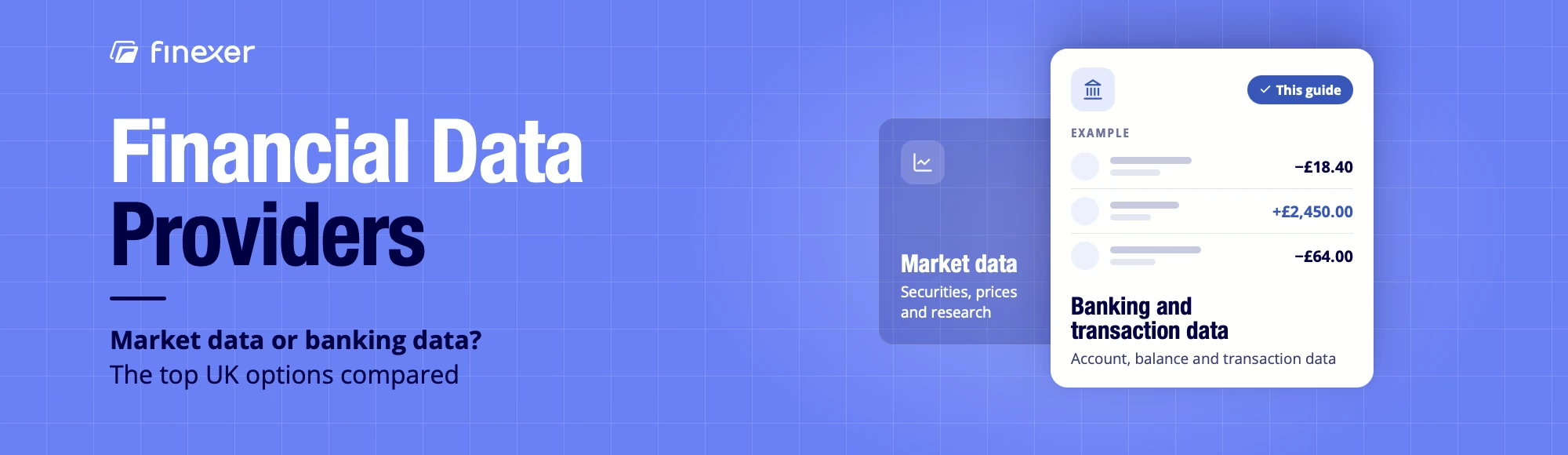
Financial Data Providers: Top UK Options Compared
Financial data providers serve different buyer needs, from market intelligence to banking connectivity. This guide compares top financial data providers for UK platforms, focusing on Open Banking access, account coverage, data freshness, enrichment, consent handling and FCA authorisation, with a practical shortlist for accounting, Proptech, WealthTech and utility billing teams when choosing a provider today.
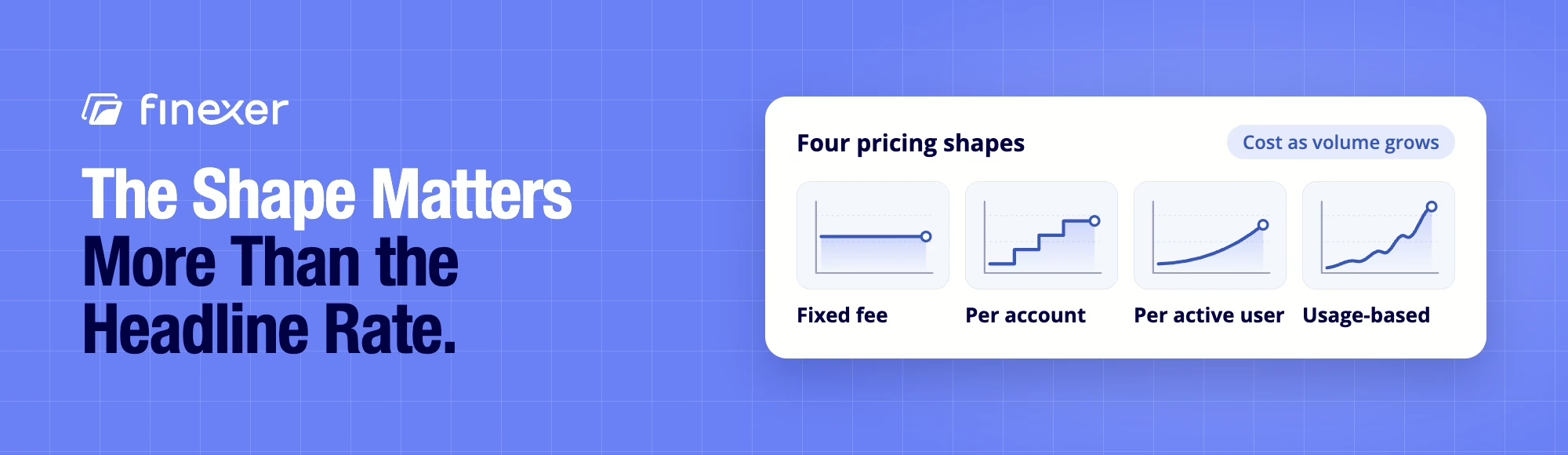
What pricing models do UK Open Banking providers use?
UK Open Banking providers use four pricing models: flat monthly fee, per connected account, per active user, or usage-based. Open banking pricing models differ in how they scale with volume, not what they claim to include. Here’s how to work out which structure actually fits your business.
Open Banking APIs for Developers: A Verified Build Guide
Which open banking APIs for developers are worth building against? The answer depends on documentation completeness, sandbox-to-production parity, auth model transparency, webhook reliability, and security handling,not marketing claims. This guide gives developers a verified audit framework before committing to a UK open banking integration.
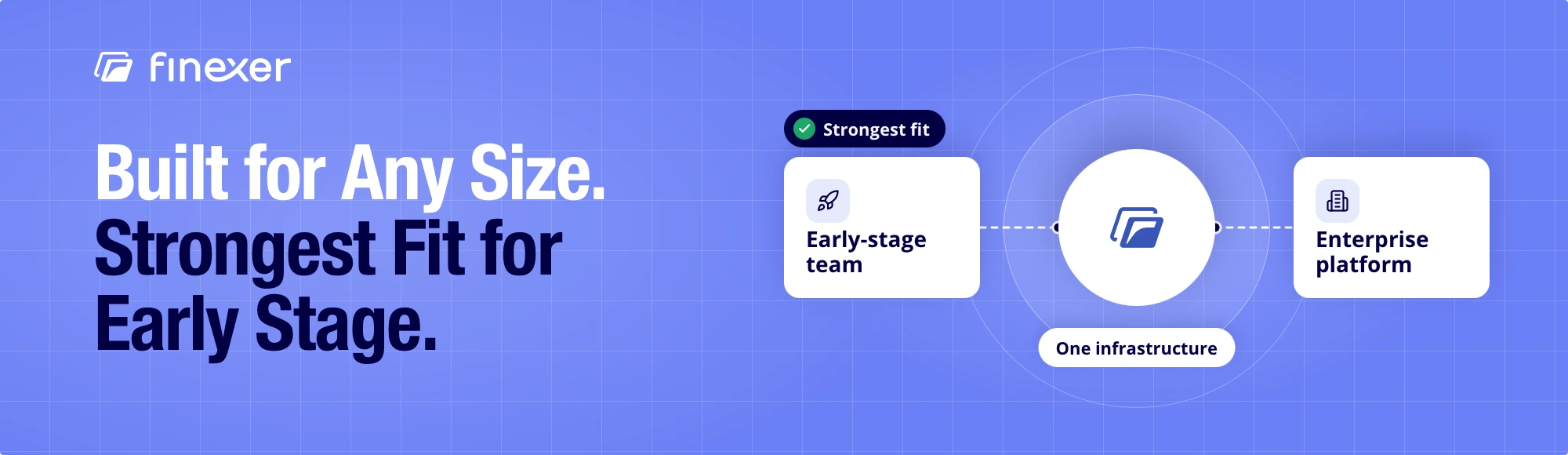
Is Finexer suitable for a startup or only enterprise?
Finexer for startups means an agent route, sandbox access before contract, hands-on onboarding, and transparent pricing with no hidden charges. Built to work at enterprise scale too, here’s what a startup actually gets, what Finexer doesn’t do, and who it suits less well.
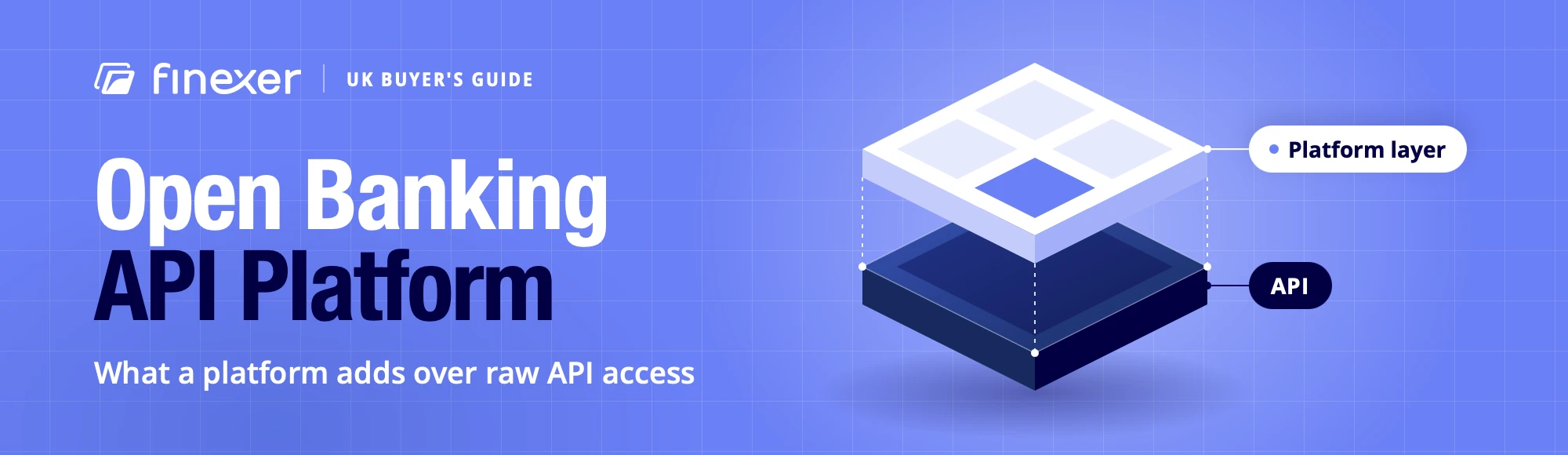
Open Banking API Platform: Complete UK Buyer’s Guide
An open banking API platform bundles the API with consent management, connection monitoring, dashboard visibility and support, the operational layer raw API access doesn’t include. This guide covers what a platform actually adds, who needs one versus who’s fine with an API alone, and how to verify a provider’s FCA authorisation before choosing.
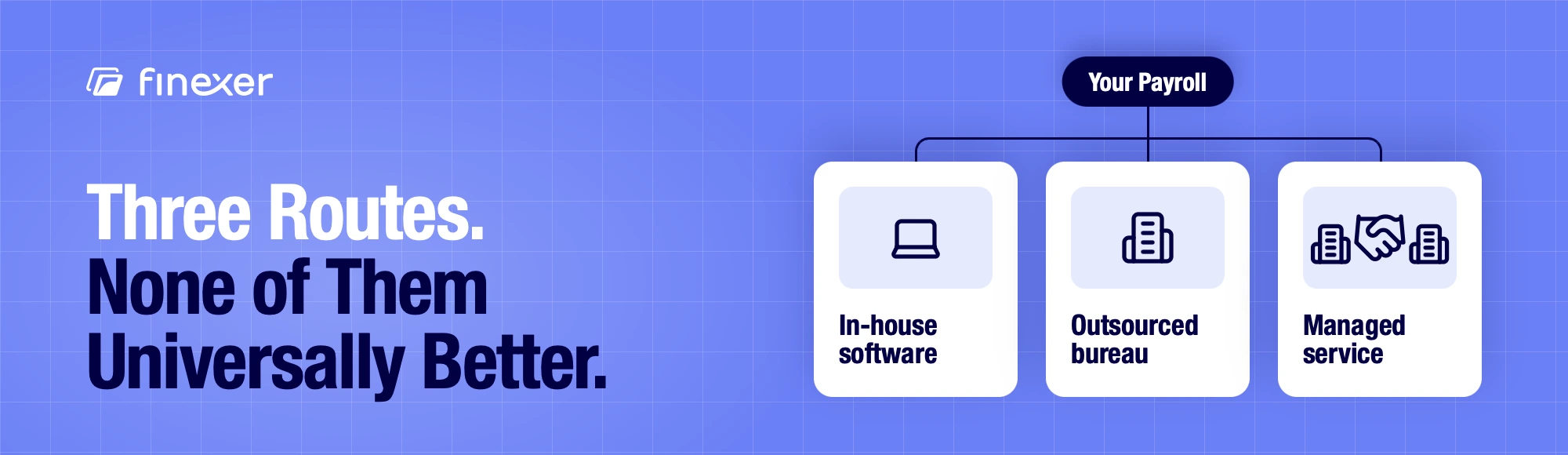
Payroll Processing Services UK: Complete Buyer Guide
Choosing between in-house payroll software, an outsourced bureau, or a managed payroll processing service comes down to headcount, complexity and internal capacity. This guide walks through what payroll processing services UK actually cover, how UK payroll processing responsibility works with HMRC and the questions worth asking before you commit to a route.
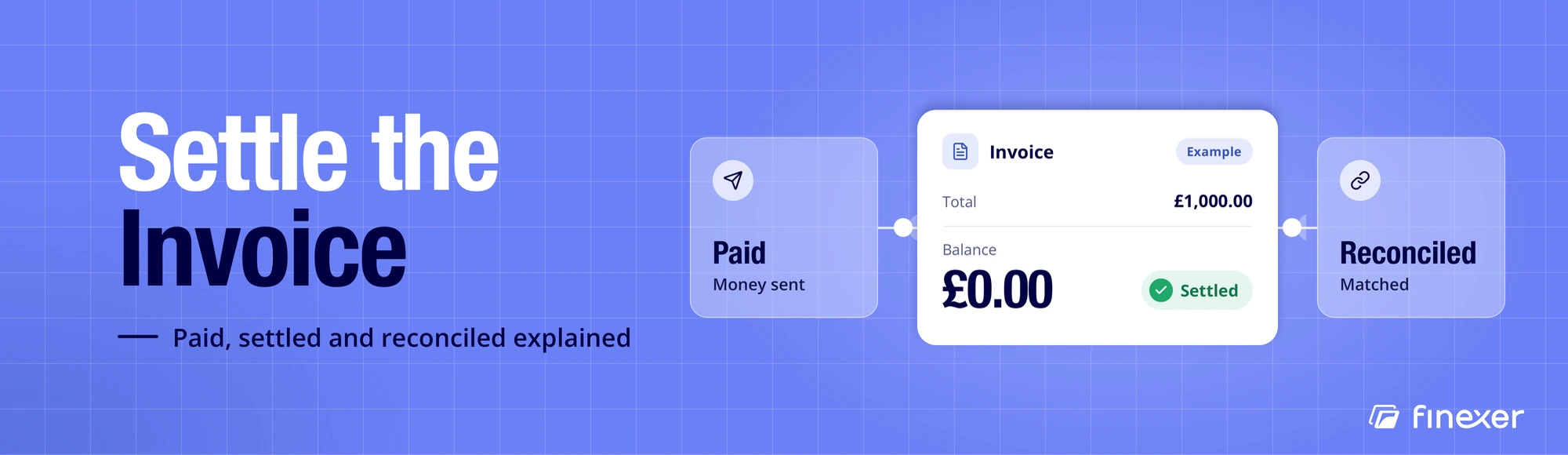
Settle the Invoice: What It Means and How to Do It
Settle the invoice with confidence by understanding what paid, settled, and reconciled actually mean. This guide explains how to settle invoice balances, why payment references matter, what partial payments mean and how invoice-linked payment workflows can connect incoming funds to the right accounting record without unnecessary investigation or confusion for finance teams and software platforms.
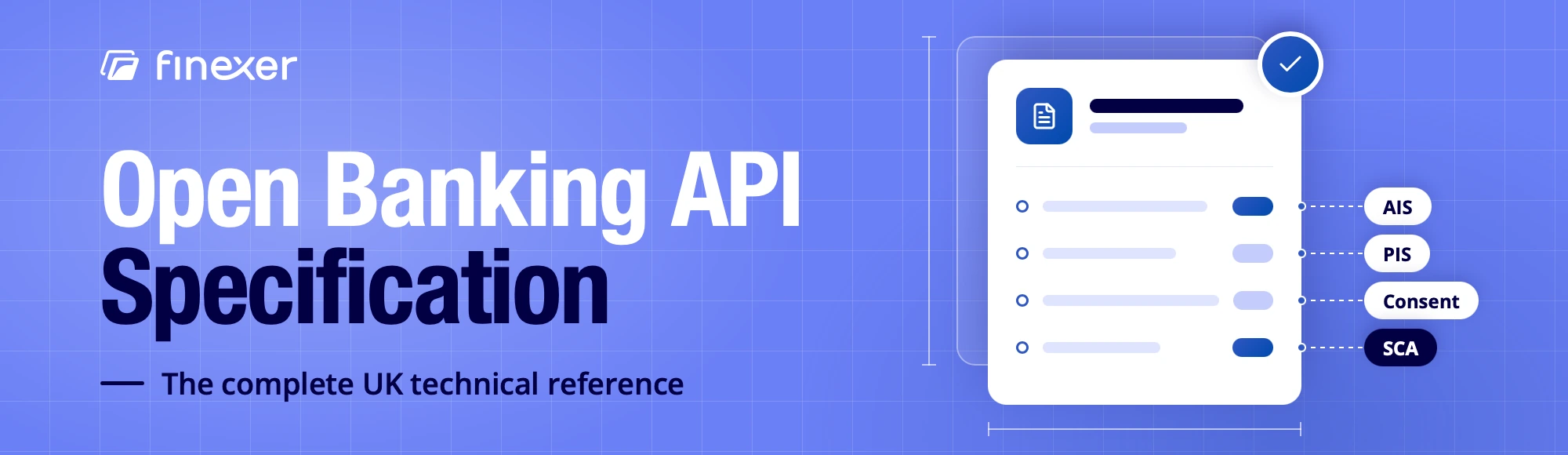
Open Banking API Specification: Complete UK Reference
The open banking API specification gives build teams a consistent contract across every UK bank. This reference covers AIS and PIS endpoint structure, consent model fields, SCA requirements, the PSD2-to-specification mapping, and versioning, so architects and compliance engineers have the detail needed before integration begins.
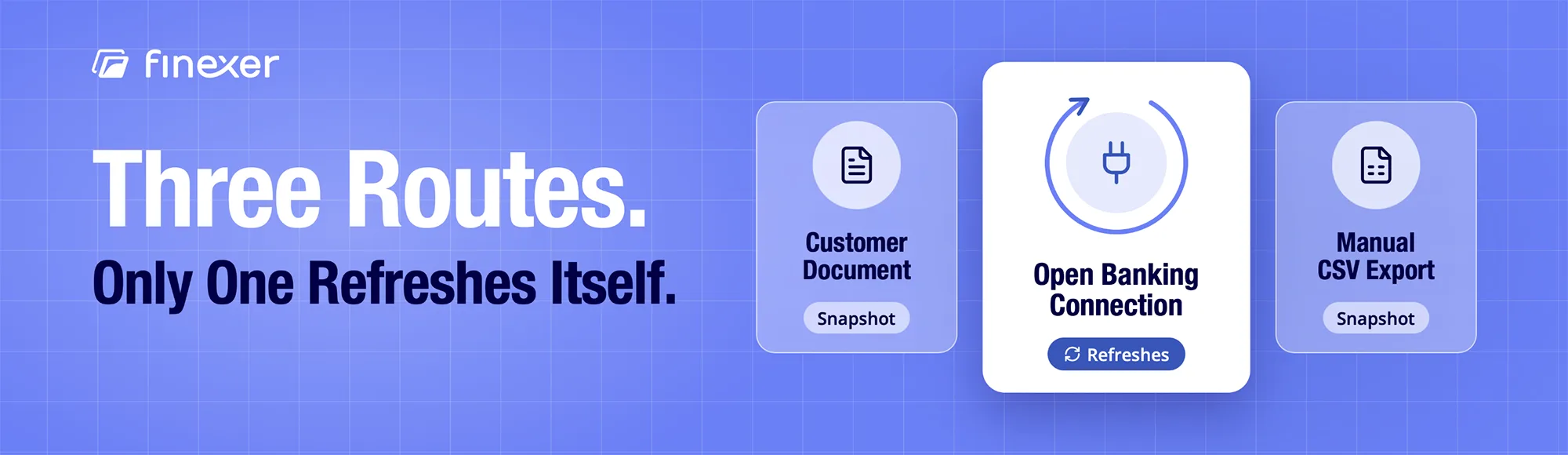
What are the ways to pull customer banking transactions with consent?
There are three legitimate ways to pull banking transactions with consent: a direct Open Banking AIS connection, a customer-supplied document, or a manual export. Only Open Banking AIS refreshes transaction data automatically once the customer connects, without asking for another file each time. This guide compares all three routes and explains exactly where Finexer fits.
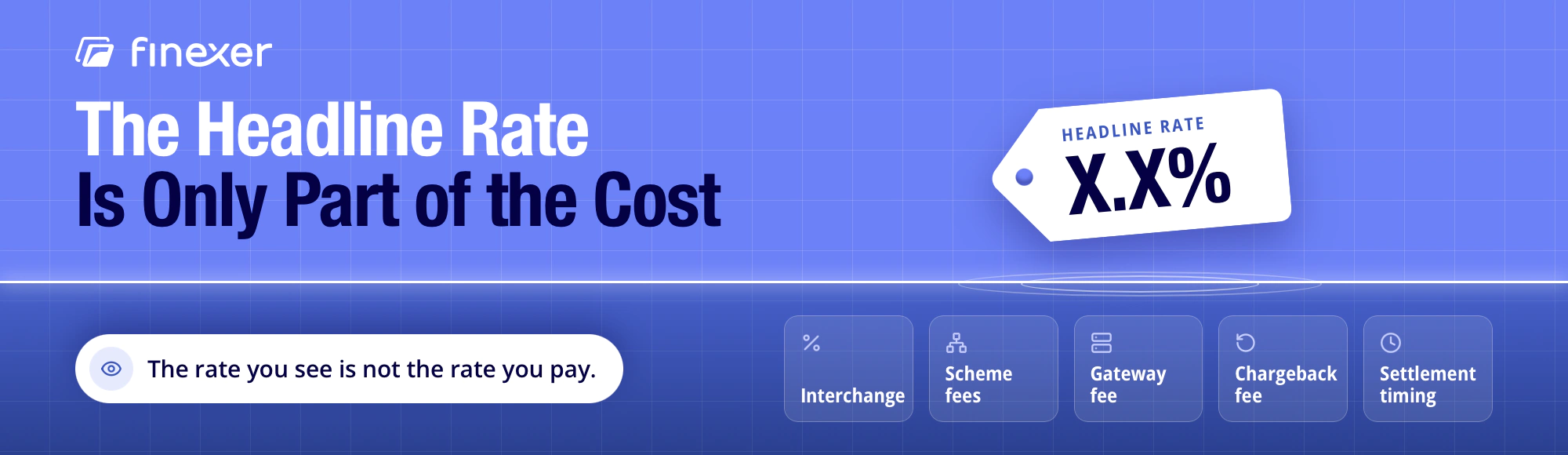
Cheapest Online Payment Gateway: Real UK Cost Guide
The cheapest online payment gateway is not always the one with the lowest headline rate. Transaction fees, interchange pass-through, chargeback costs, and settlement delays all affect the real number. This guide maps the full cost stack, compares recognisable UK options on published pricing, and shows where Pay by Bank changes the arithmetic entirely.
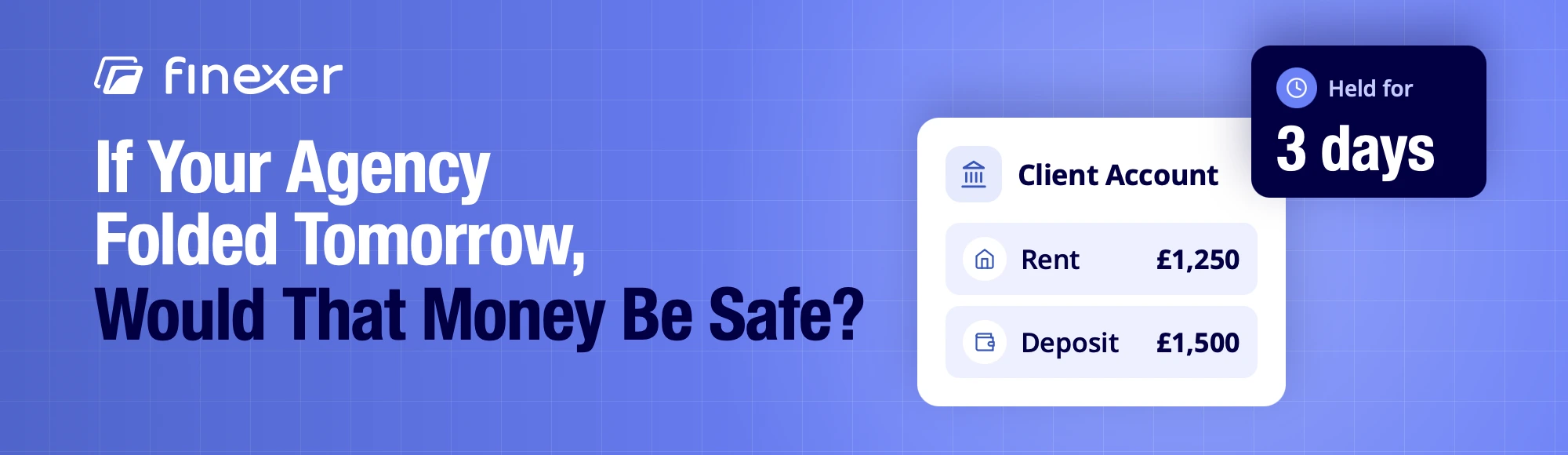
Client Money Protection Providers: Essential UK Guide
Letting agents in England who hold client money must belong to an approved, government-recognised client money protection scheme. This guide covers what “client money protect” actually means, the current approved client money protection providers, what day-to-day compliance genuinely requires and where clean, current client account data makes proving compliance considerably easier, not just theoretically sound.
Money Laundering Checks: What UK Businesses and Property Buyers Need to Know
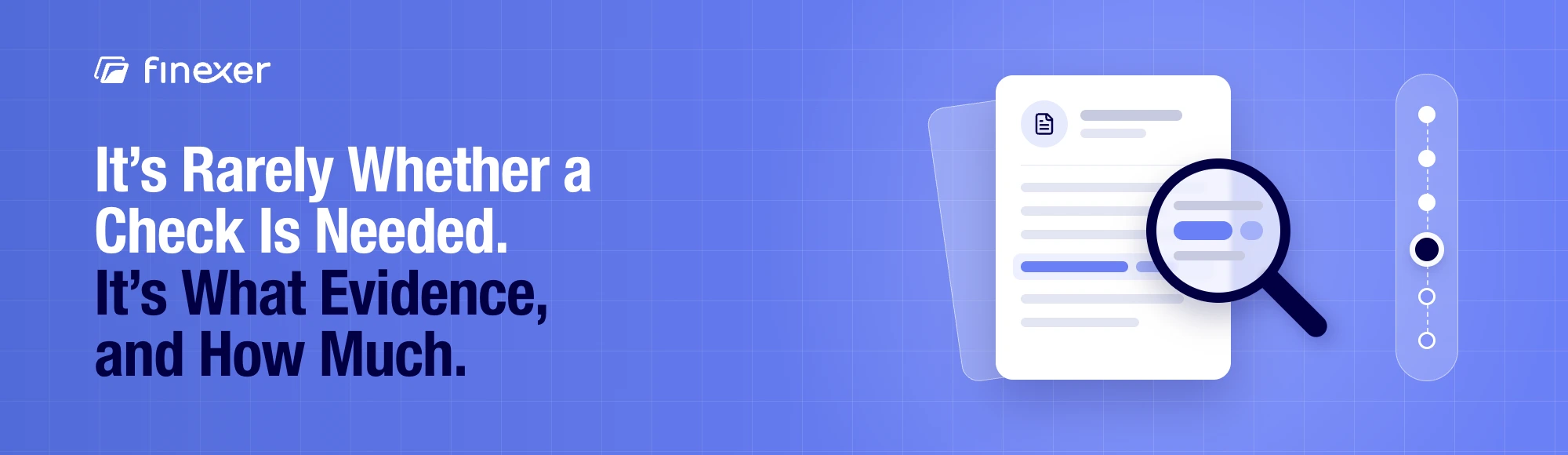
Money laundering checks help regulated firms in identifying customers, understanding where money comes from and assessing risk. This guide spells out anti-money laundering checks, including identity, address, source of funds and source of wealth checks, plus anti-money laundering checks when buying a house, and shows where banking data can support evidence collection during customer reviews.
E-Commerce Payment Gateway: Best UK Options Compared
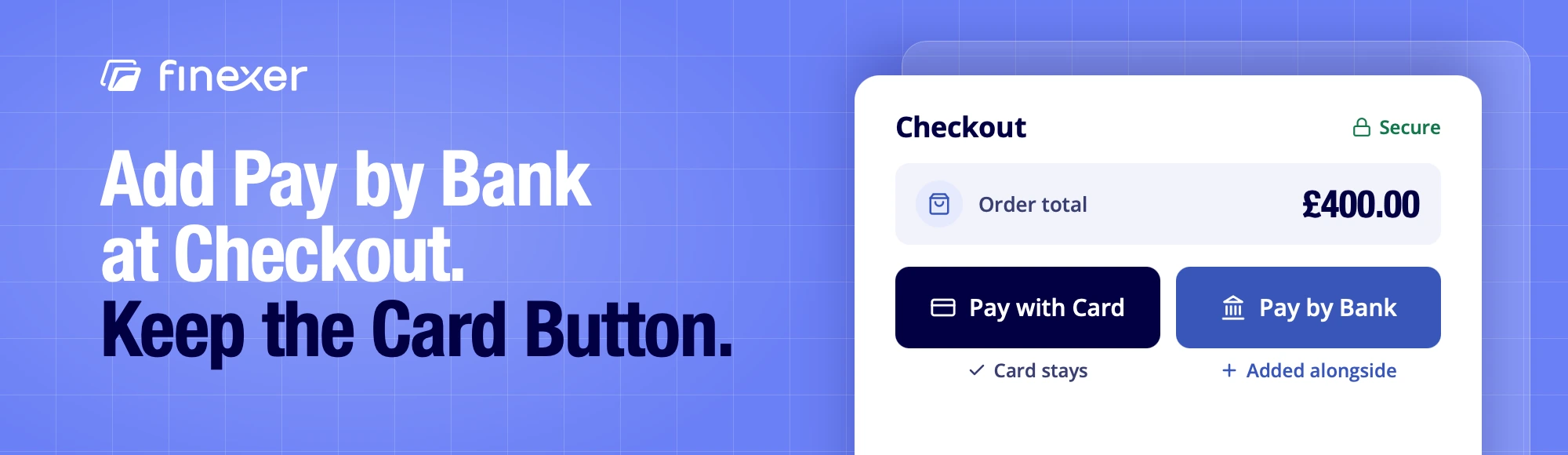
Choosing an e-commerce payment gateway means weighing pricing models, settlement timing and PCI scope, not just brand recognition. This guide compares the recognisable UK options merchants use as a payment gateway for e-commerce, then covers the methods worth adding alongside cards, including where a “payment gateway for e-commerce” setup benefits from Pay by Bank.
Source of Wealth Examples: What Evidence Should Firms Accept?
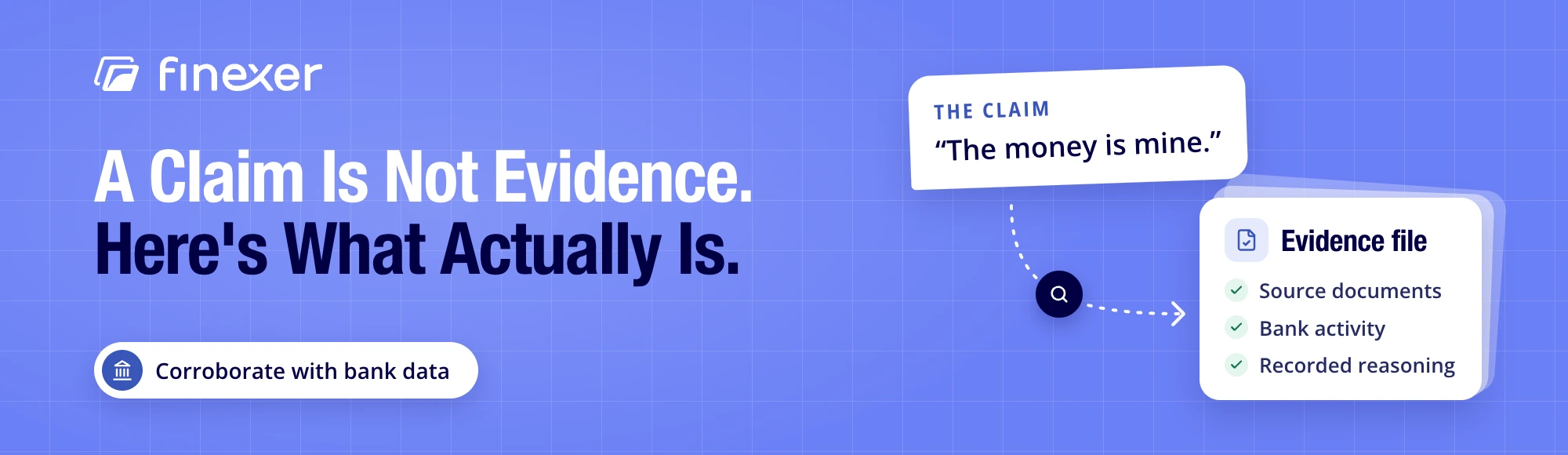
Source of wealth examples show how clients built overall wealth, while examples of source of wealth evidence link each claim to documents. Source of wealth and source of funds examples then separate wider wealth from transaction money, helping law firms, accountants, estate agents and financial services teams assess evidence and record reasoning carefully and consistently.
Account-to-Account (A2A) Payments: Complete UK A2A Guide
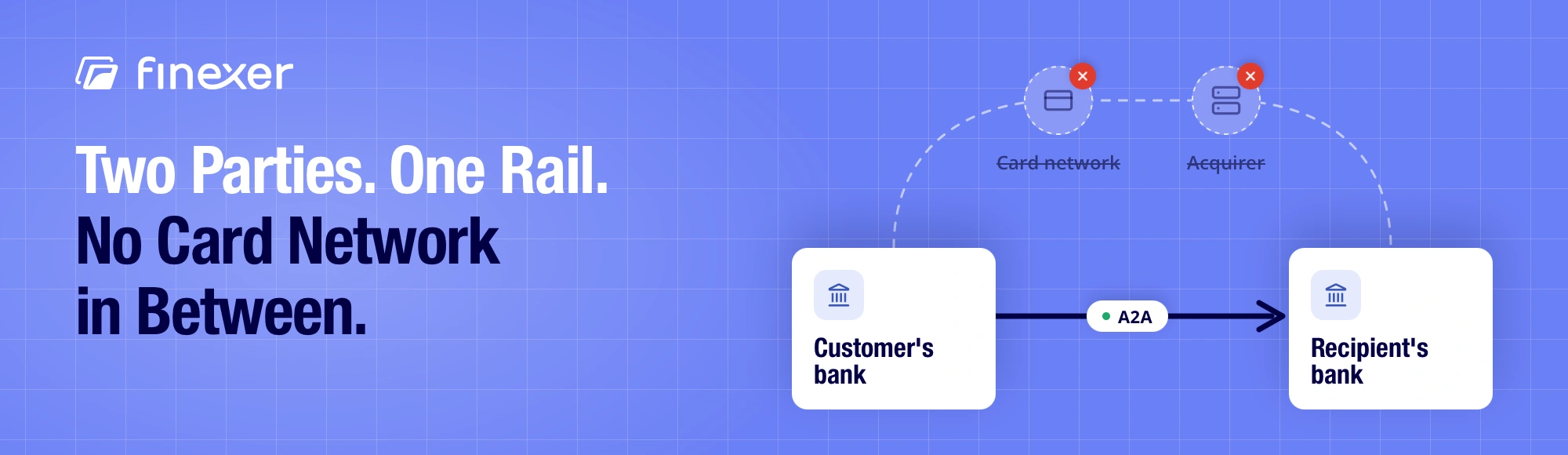
Account-to-account (a2a) payments move money directly between two bank accounts, cutting card networks out of the journey entirely. This guide covers how a2a payments actually work over Faster Payments in the UK, how they compare against cards and Direct Debit, the two payment types available, and exactly what to check before choosing the right provider.
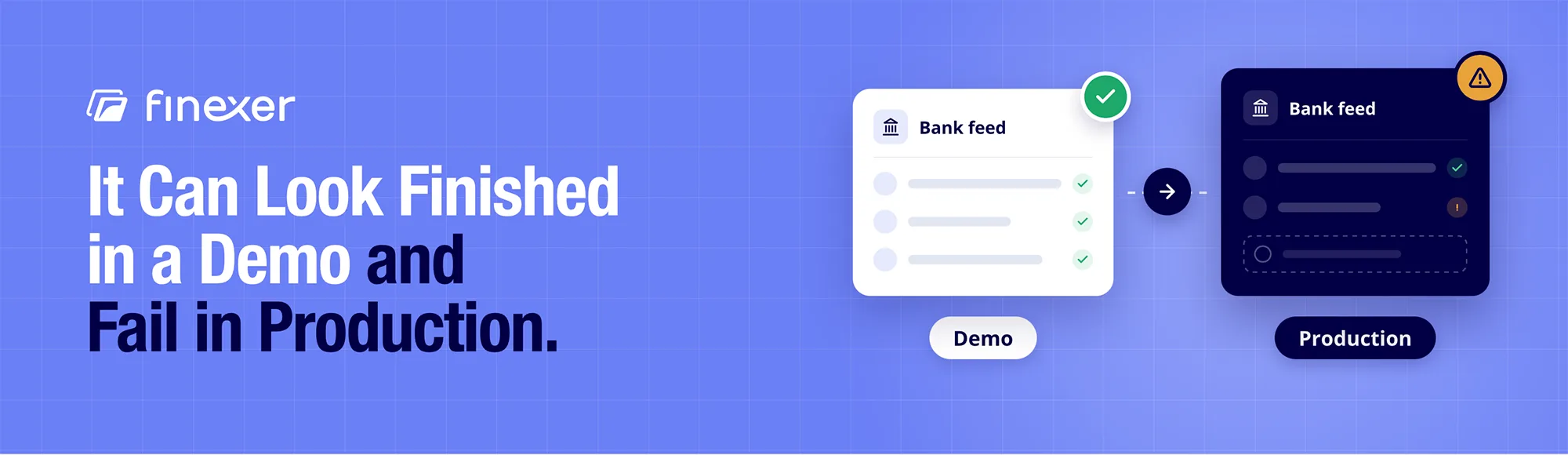
Account Information Services Provider: How to Choose
Choosing an account information services provider requires more than checking bank coverage. Compare account information service providers on FCA authorisation, AIS API quality, consent handling, webhooks, onboarding, data depth and pricing. This article shows what an AISP should deliver and the questions worth asking before committing to a contract for your platform today with confidence.
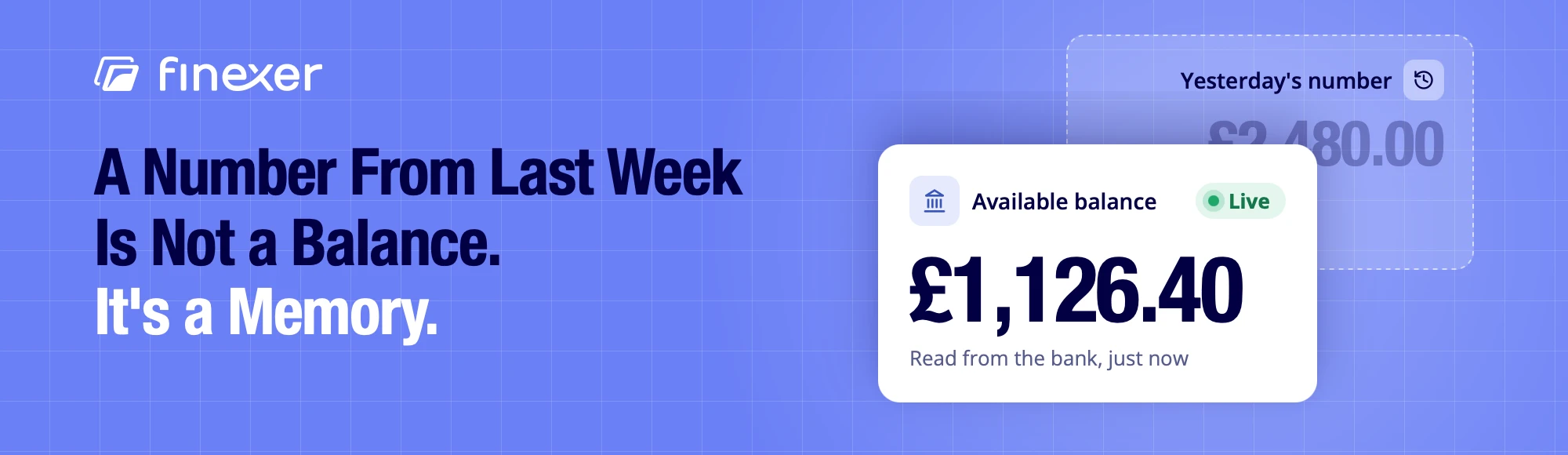
Check Account Balance: Verified UK Methods Guide
This article covers how to check account balance yourself in seconds, then answers the question platforms actually search for: how to check account balance online for a customer, with consent, before money moves. It walks through available balance versus current balance, what a live read confirms and where UK platforms fit Finexer into the picture.
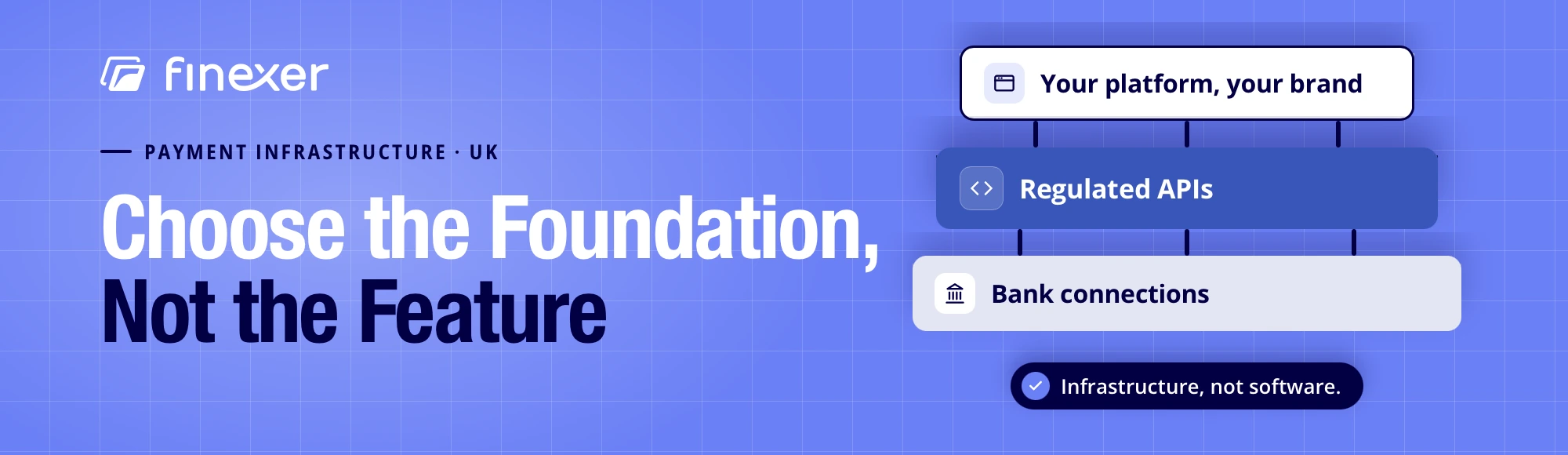
Payment Infrastructure Providers: Top UK Picks Compared
Choosing payment infrastructure providers is a foundation decision, not a feature decision. This guide distinguishes infrastructure from software, maps the four provider categories UK platforms evaluate, sets out the criteria that matter for this buying decision, and compares the recognisable UK-operating names so platform builders can shortlist with confidence.
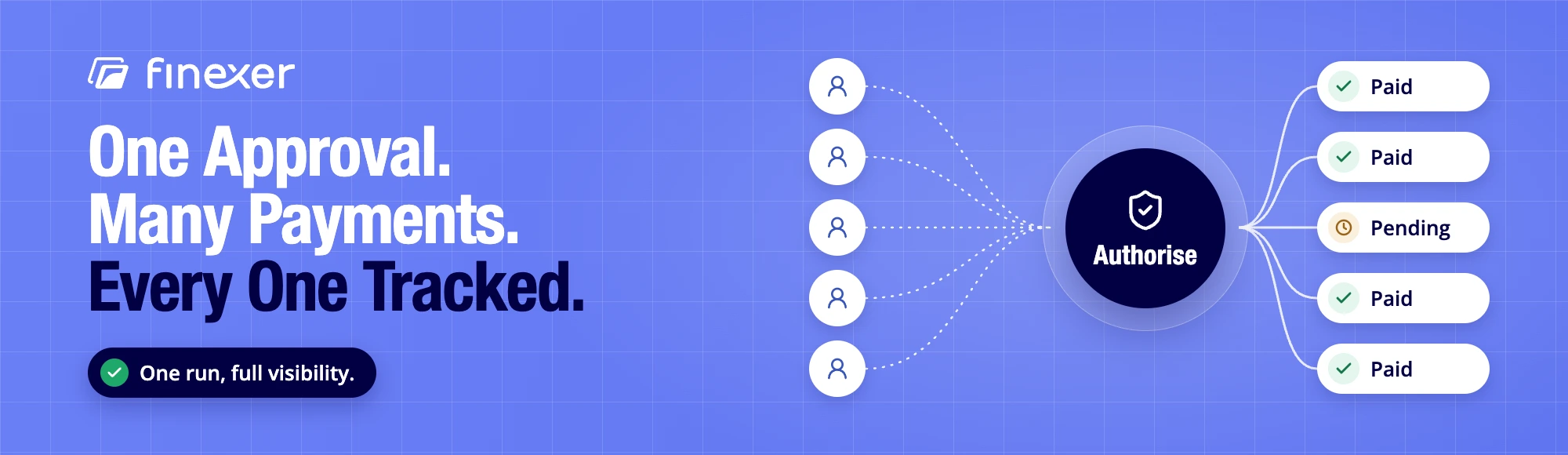
Business Bulk Payments: Reliable UK Payment Runs
Business bulk payments let a business pay many recipients in one authorised run. This guide covers how a run actually works, BACS against Faster Payments and Open Banking routes, why bulk salary payments carry more risk than supplier runs, and how per-payment status stops one failure from hiding inside a batch.
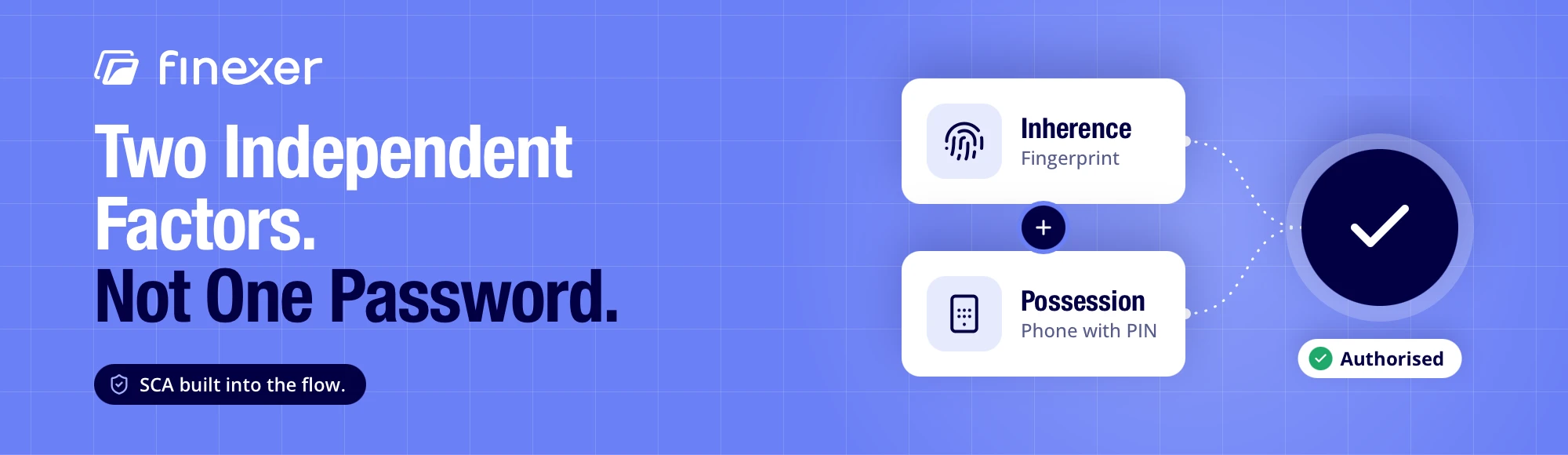
SCA Regulation UK: Complete Guide to Strong Auth
SCA regulation requires two independent identity factors before most payments are authorised. This guide explains the three factor categories, what the exemption categories cover without assuming specific thresholds, why open banking payments satisfy SCA natively, and what platforms must actually do to handle authorisation and failed attempts properly.
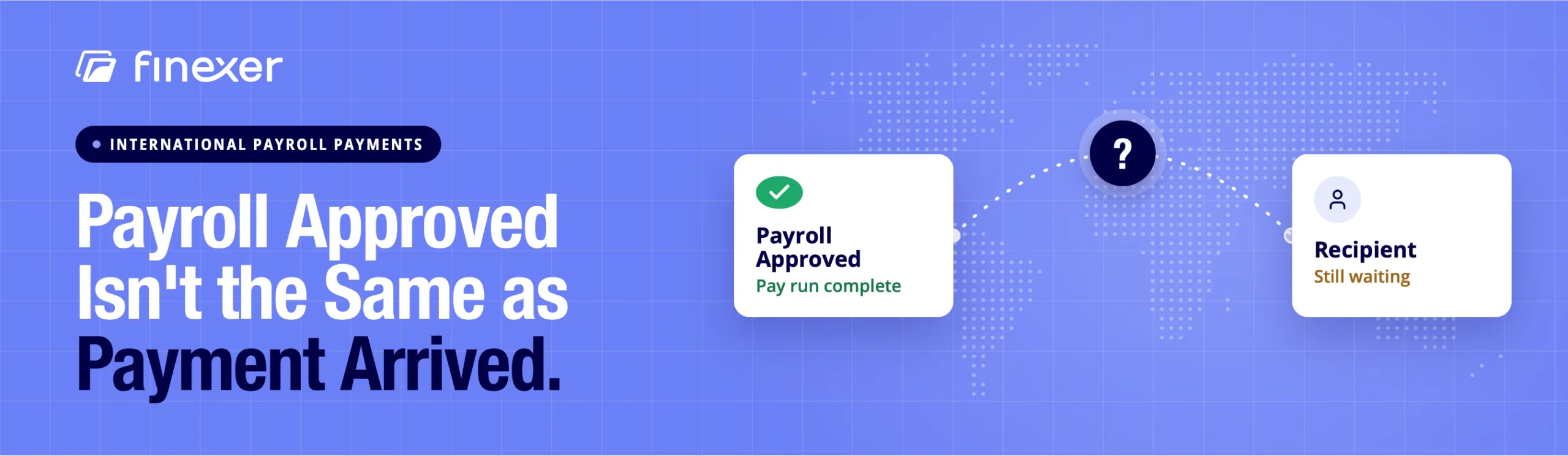
International Payroll Payments: A UK Guide to Cost, Timing and Payment Routes
International payroll payments can cost more and take longer than expected. This guide explains international payments processing, compares routes, shows where FX margins and bank deductions arise and covers payroll payments international timing, account details, returns and payment status, with practical guidance for UK businesses and platforms paying overseas employees and contractors across multiple destinations.
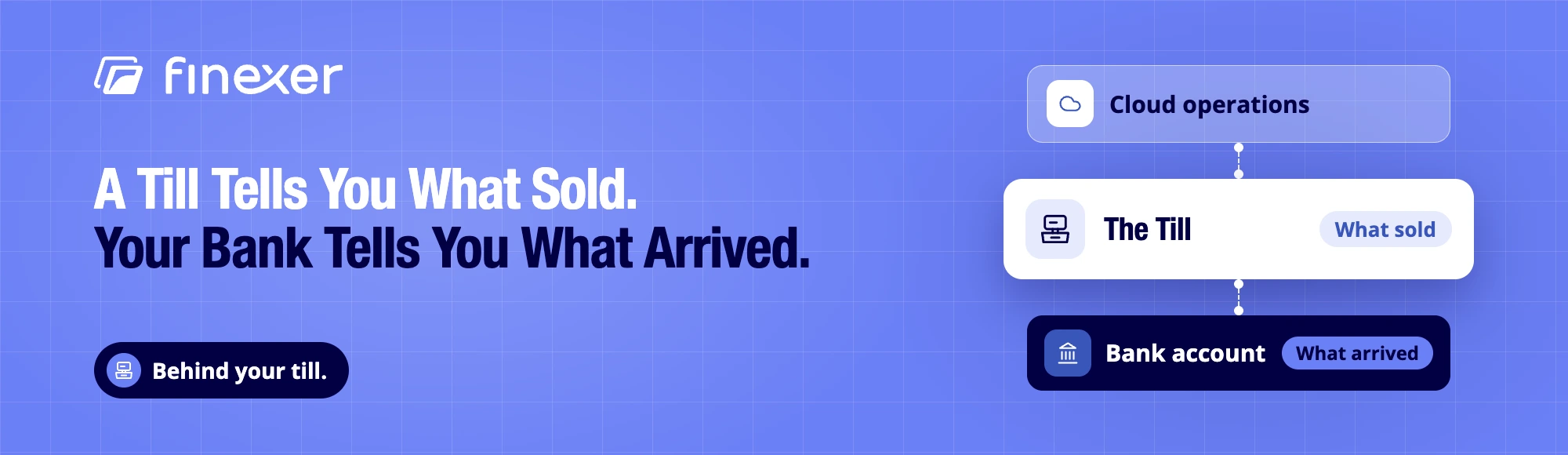
Cloud-Based Point of Sale: A UK Buyer’s Guide for Retail and Hospitality
A cloud-based point of sale helps UK retailers and hospitality operators manage sales, inventory and reporting from connected devices. This guide compares cloud-based point of sale software and a cloud-based point of sale system with traditional EPOS, then examines payments, bank data, integrations and reconciliation before choosing a provider for a commercially sensible buying decision.
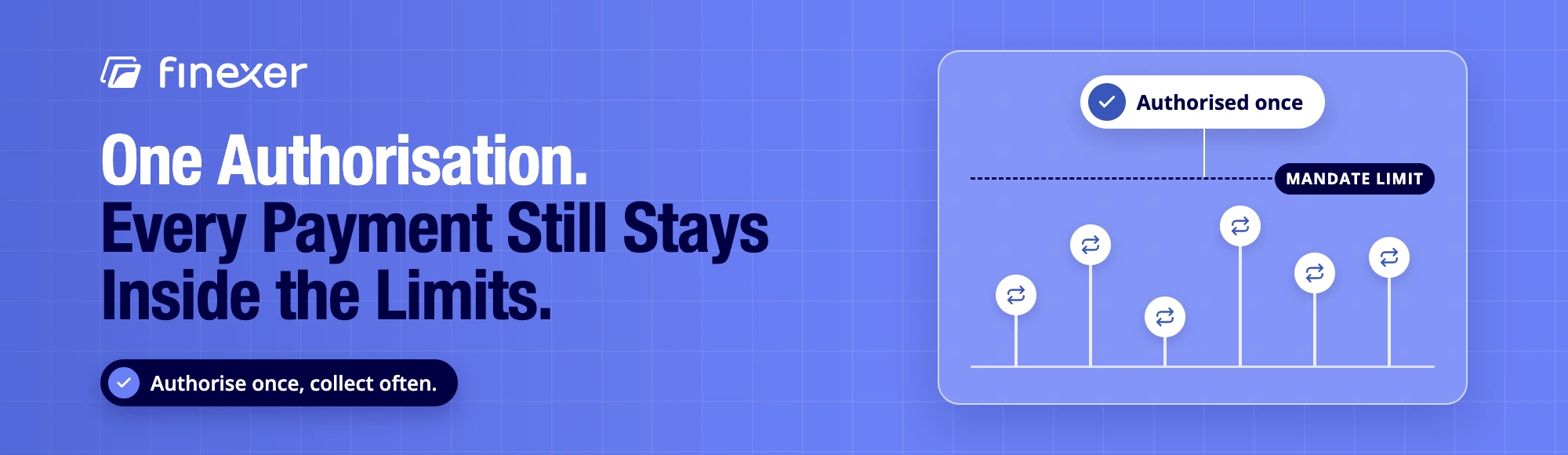
Variable Recurring Payments: Complete Open Banking Guide
Variable recurring payments open banking let a customer authorise future payments once, within limits they control and can revoke at any time. This guide covers how a VRP mandate works, sweeping versus commercial VRP, how it compares to Direct Debit and cards, and where Finexer fits with instant settlement.
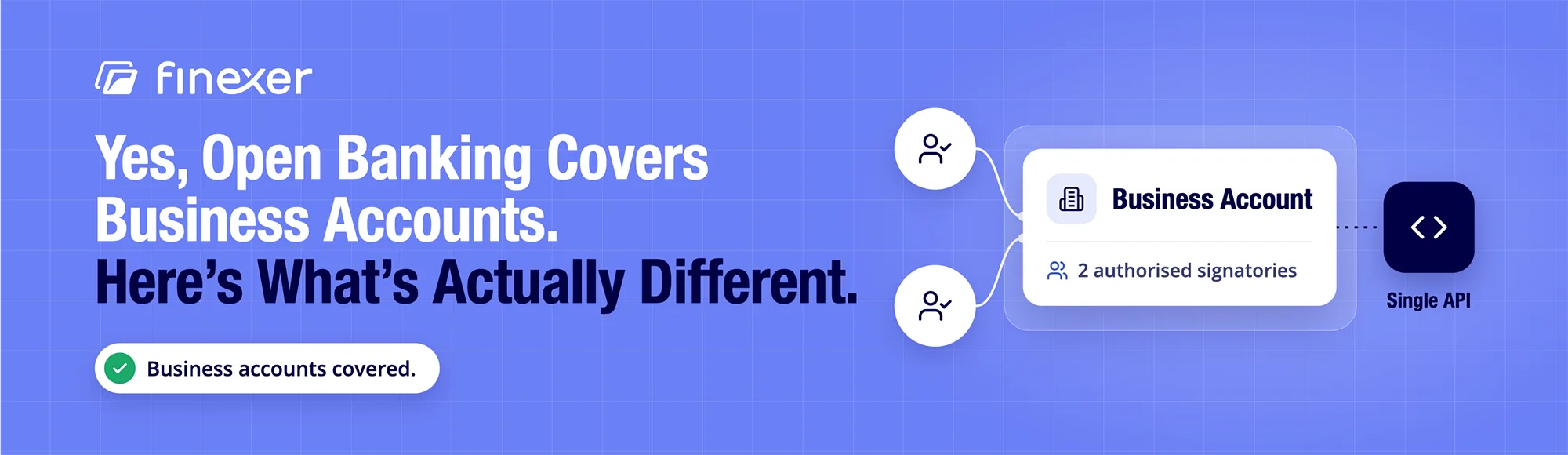
Open Banking for Business Accounts: Complete UK Guide
Open banking for business accounts works across UK banks today, but coverage and consent rules differ from personal accounts. This guide covers signatory-based consent, real business account coverage, what access unlocks for platforms, and how Finexer handles business accounts through the same FCA-authorised integration used for personal ones.
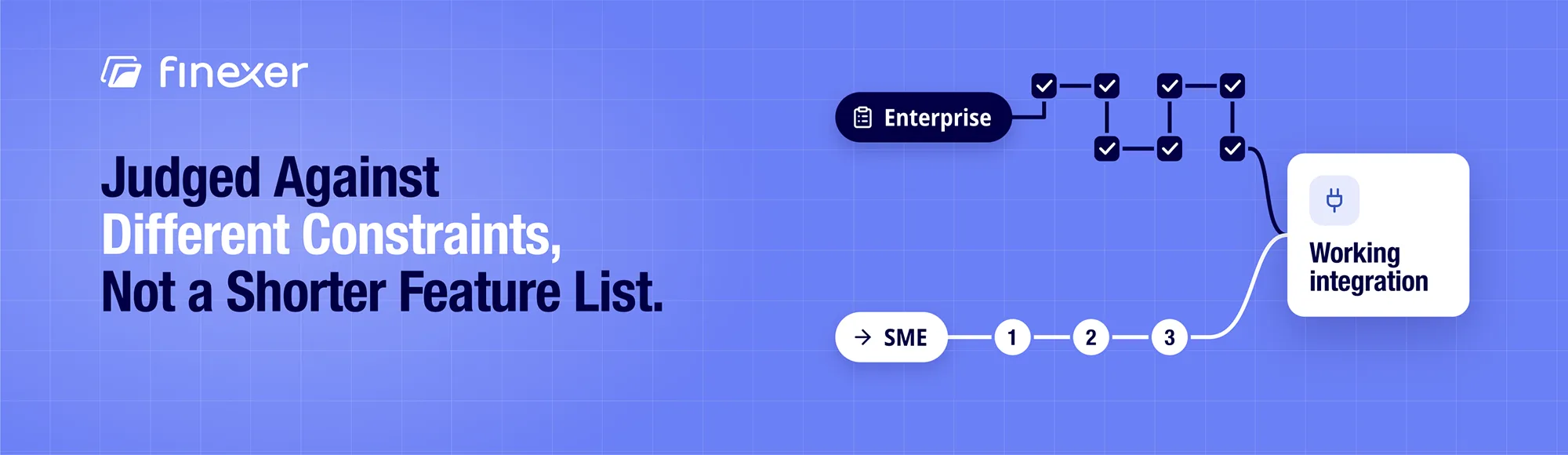
What are the top Open Banking platforms for UK SMEs ?
SME buyers need: no long procurement cycles, sandbox access before contract, agent licensing to avoid FCA burden, dedicated support within a week. Discover which open banking platforms for SMEs skip lengthy sales cycles and friction. Learn why agent-route providers matter for teams. Find out what SMEs shouldn’t compromise on: FCA authorisation and account type coverage.
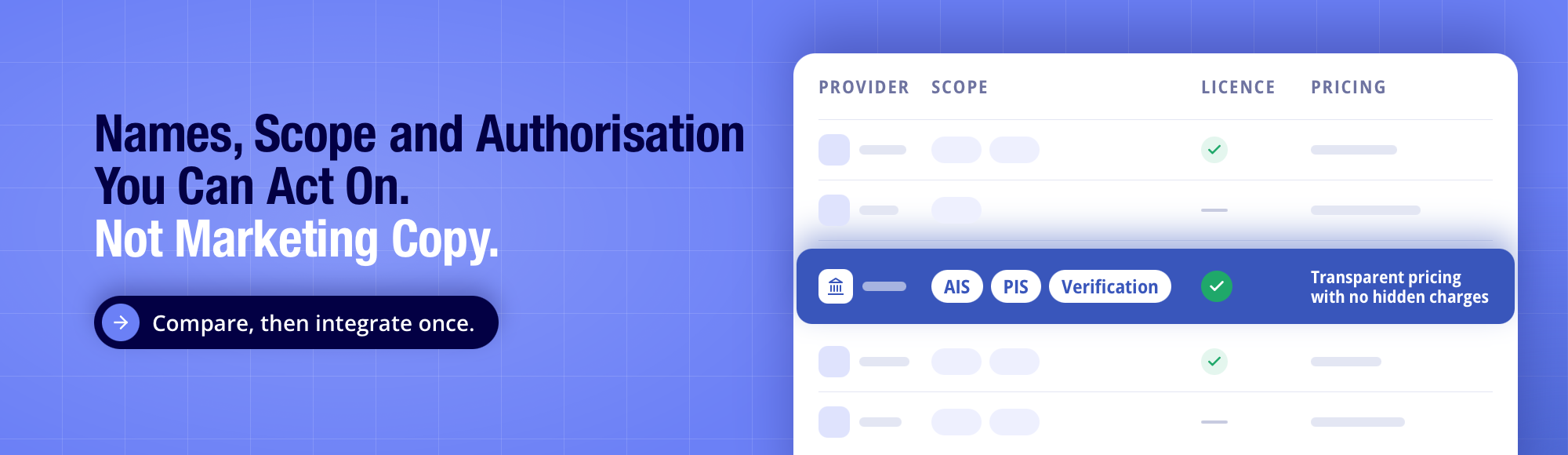
Open Banking API List: Top UK Providers Compared
This open banking API list compares UK and UK-operating providers on what actually matters: API scope, FCA authorisation, bank coverage and pricing model, not brand recognition. TrueLayer, Yapily, Tink, Plaid and Finexer are compared directly in one table, with guidance on how to read it before you shortlist a provider.
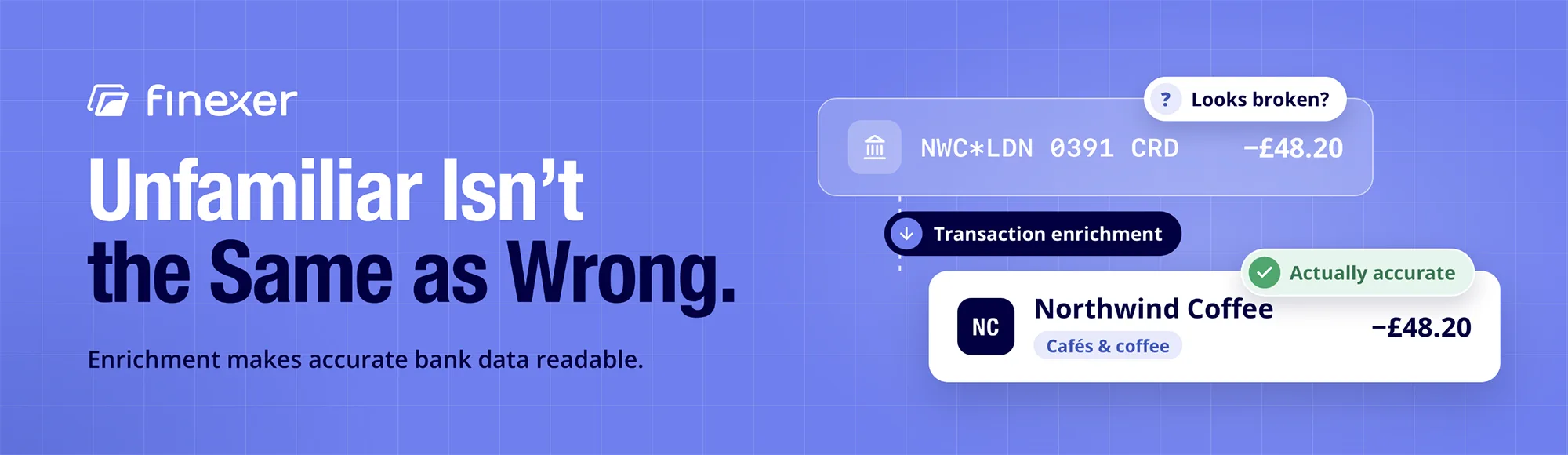
What is transaction enrichment and why does it matter?
What is transaction enrichment? It turns standard Open Banking transaction descriptions into recognisable merchant names and useful categories. Learn why transaction enrichment matters for customer-facing banking data, reconciliation, reporting and product experiences, plus how Finexer adds merchant identification and categorisation through its Enrichment product for platforms building financial applications across accounting, ERP and fintech products.
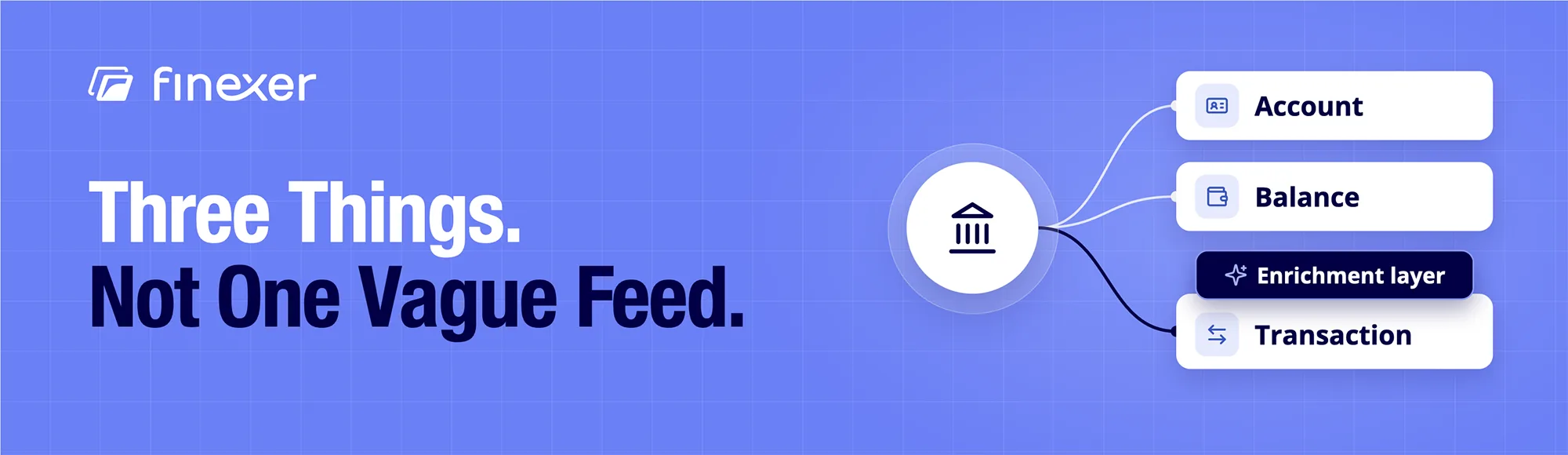
Banking statement API data: What actually returned ?
Banking statement api data is not one single thing. A UK Open Banking connection returns account data, balance data and transaction data, structured through the same consented request rather than parsed from a document. This article covers what each type actually contains and what a platform can build once a document is no longer needed.