Category: MTD
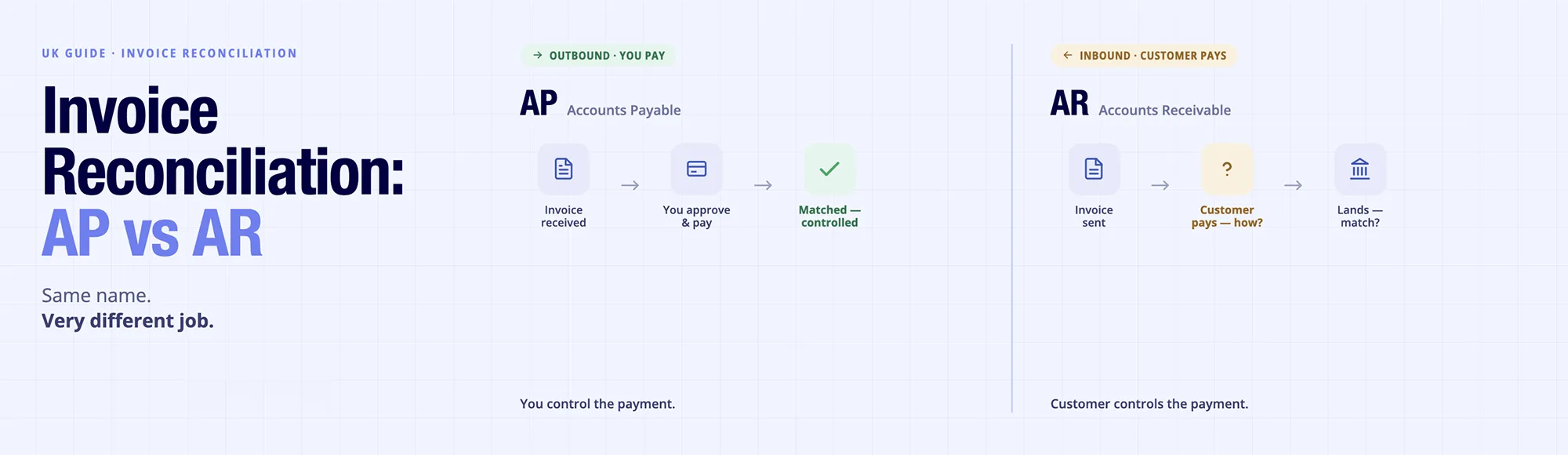
Automated Bank Reconciliation: ROI Calculator (UK)
Automated bank reconciliation ROI depends on transaction volume, not firm size. This guide runs the hours-saved maths across three tiers of client load, compares manual matching against automatic bank reconciliation and shows why MTD for ITSA’s quarterly cycle makes reconciliation automation a 2026 necessity rather than a nice-to-have for UK accounting firms.

What the HMRC Expenses List Gets Wrong About How Businesses Actually Track Costs
The HMRC expenses list tells businesses what to claim. It does not tell them how to track those claims accurately. For accounting SaaS, ERP systems, and expense management tools, that gap is where compliance breaks down. This blog covers the HMRC expense categories, where tracking fails in practice, and how structured bank data changes it.
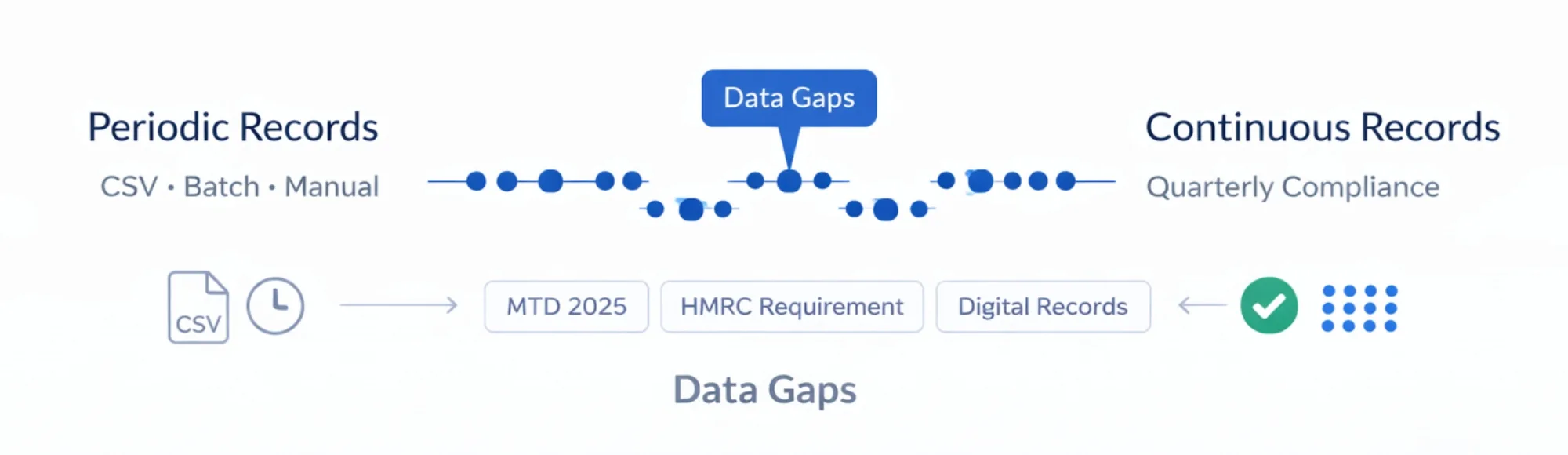
MTD Income Tax 2026: Why Most Systems Aren’t Ready
MTD income tax 2026 goes live on 6 April 2026 for self-employed individuals and landlords earning over £50,000 combined gross income. Most accounting and tax platforms treat MTD as a standard compliance feature update. It is not. MTD is a data infrastructure requirement. This blog covers why most current systems break and what must change.
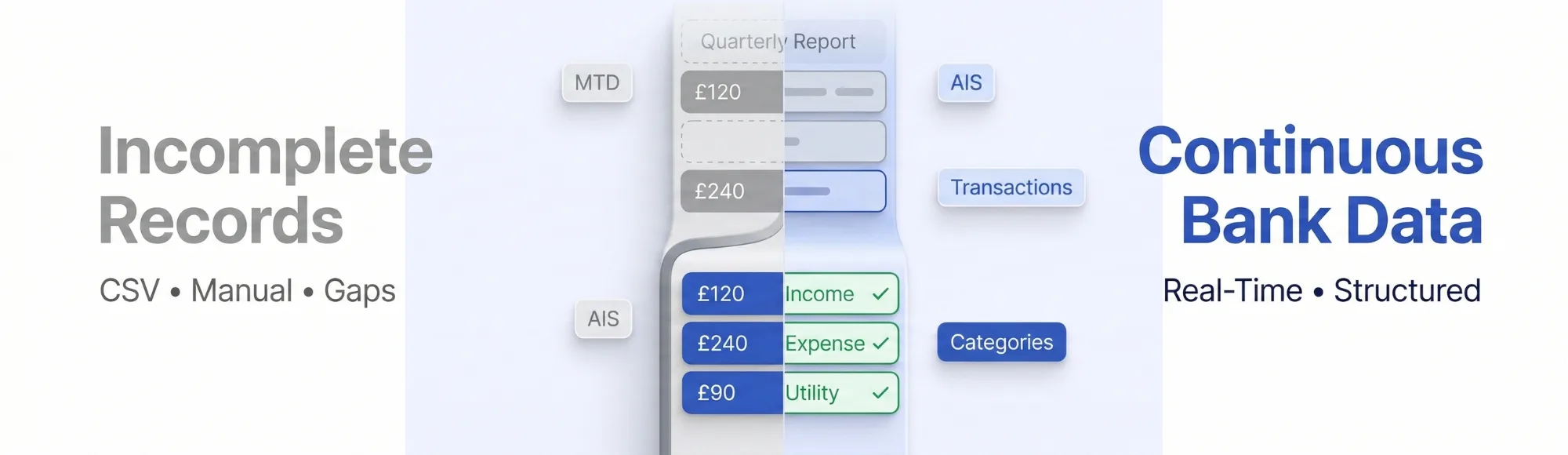
MTD Reporting Requirements: Why Platforms Fall Short
MTD reporting requirements are clear on paper. Digital records, quarterly updates, a final declaration. But meeting them consistently is a different problem entirely. Accounting SaaS and tax platforms that rely on manual data collection and periodic imports find that MTD reporting breaks at the data layer – not the submission layer. This blog covers why.
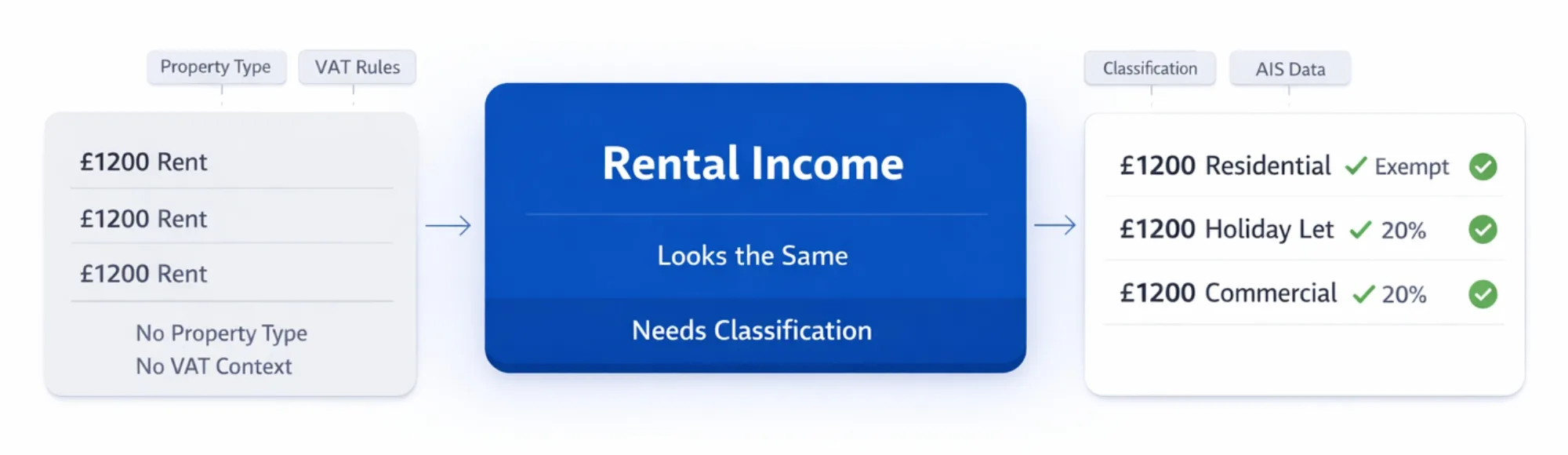
VAT on Rental Income UK: Why Platforms Struggle to Identify and Track Taxable Rent
VAT on rental income UK is not a straightforward tax rule for platforms. Residential, commercial, and holiday let income arrive in the same bank feed with labels that do not identify VAT treatment. This blog covers how VAT on rental income HMRC rules apply, where misclassification happens, and how structured bank data fixes the problem.
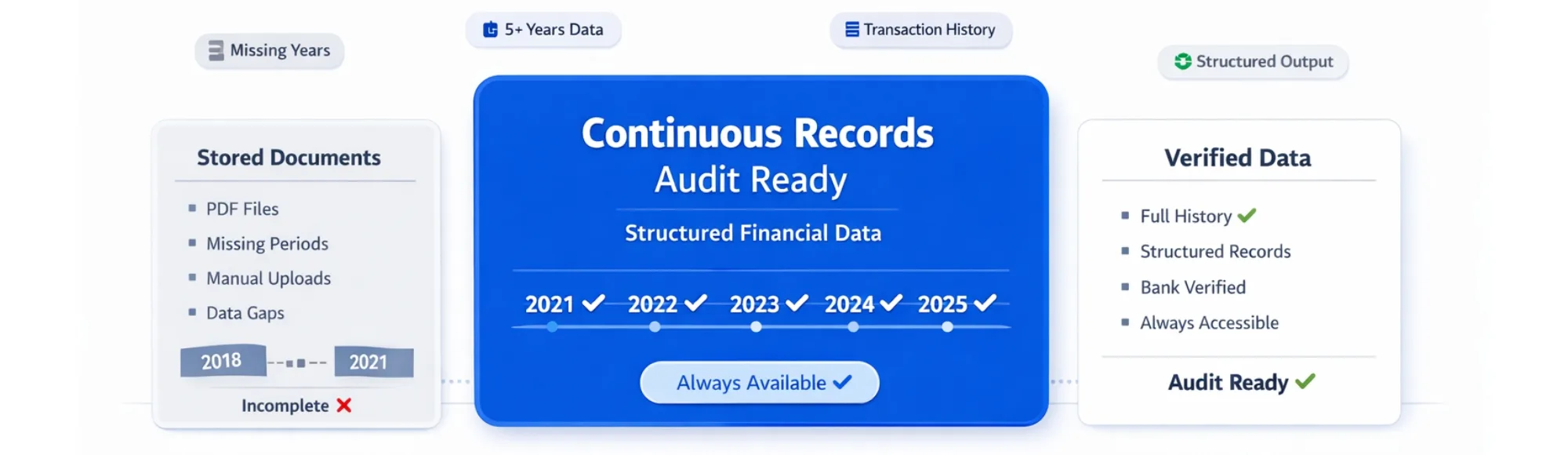
HMRC How Long to Keep Records: Why Platforms Need Continuous, Audit-Ready Financial Data
HMRC how long to keep records is a compliance requirement every UK business must meet – but for accounting SaaS and tax platforms, it is also a data infrastructure question. This blog covers the HMRC requirement to keep records by business type and how continuous, structured bank transaction data makes audit-ready recordkeeping practical at scale.
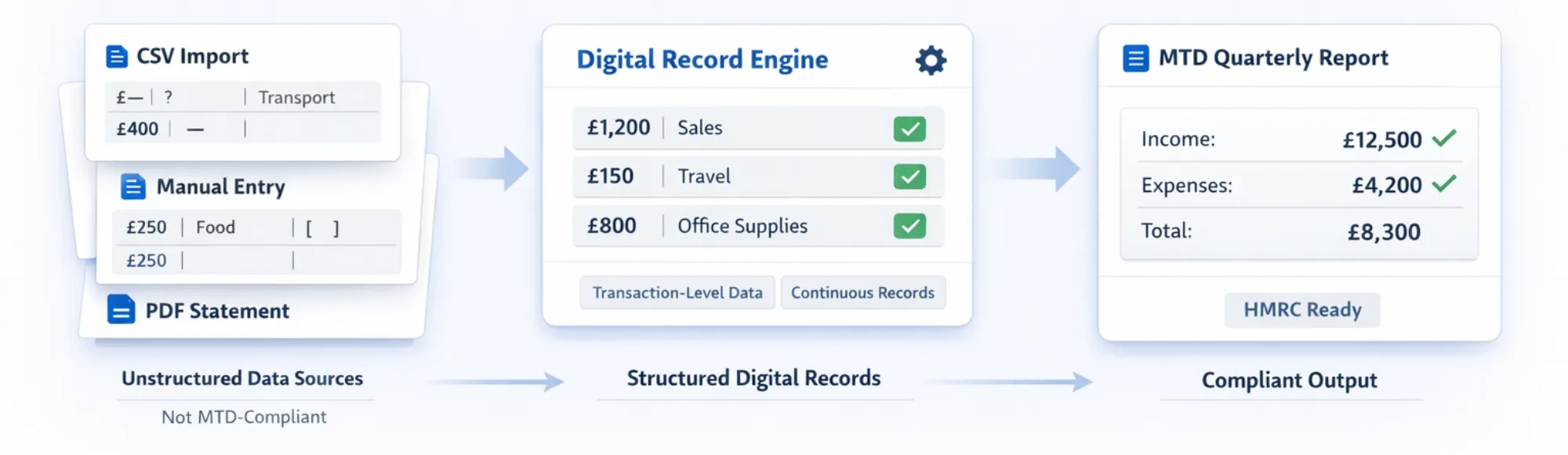
How Platforms Build MTD Quarterly Reporting With Reliable Digital Records
MTD quarterly reporting is not just a filing requirement – it is a data structuring problem that accounting platforms must solve at the system level. This blog explains what MTD digital records require, where platform data workflows break down, and how verified bank transaction data from Finexer supports accurate MTD reporting for accounting and tax…

Reliable Making Tax Digital for Income Tax Software Infrastructure
Reliable making tax digital for income tax software infrastructure for UK platforms. Access verified bank data feeds enabling MTD ITSA compliance workflows with automated quarterly submissions from April 2026.

Making Tax Digital for ITSA: How to Prepare for HMRC’s 2026 Mandate
Making Tax Digital for ITSA: How to Prepare for HMRC’s 2026 Mandate Heading: Prepare for MTD ITSA Before April 2026 Sub-heading: Access bank-verified transaction data for quarterly HMRC reporting through FCA-authorised infrastructure Button Text: Book Demo (Use this button link: https://finexer.com/contact) HMRC is rolling out Making Tax Digital for ITSA from April 2026. Manual spreadsheets,…