Tag: Open Banking
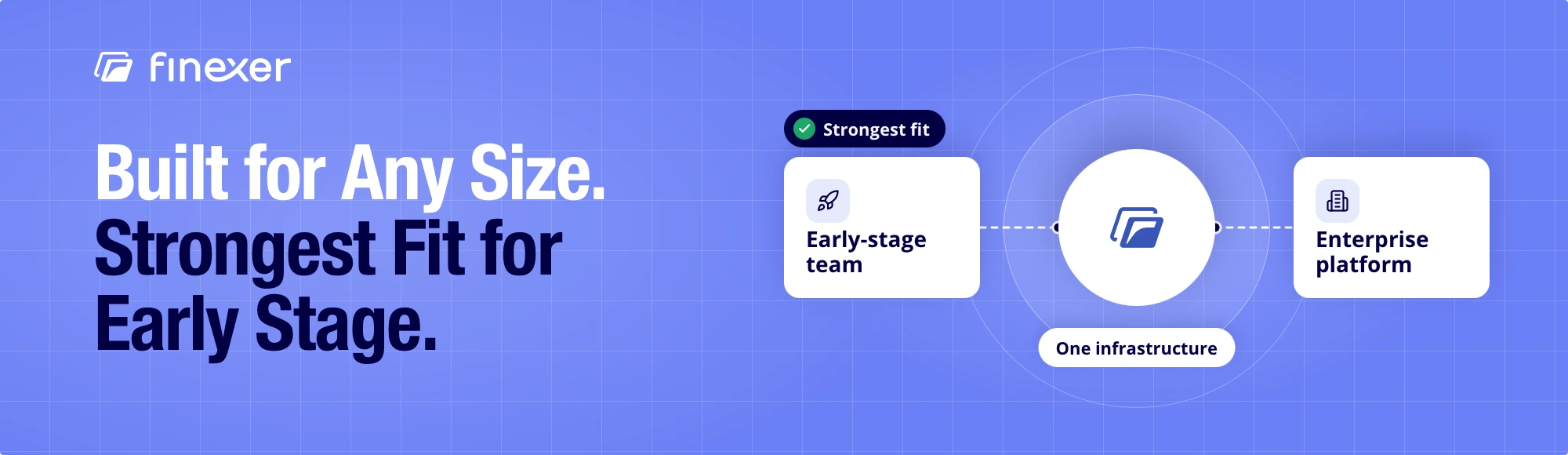
Is Finexer suitable for a startup or only enterprise?
Finexer for startups means an agent route, sandbox access before contract, hands-on onboarding, and transparent pricing with no hidden charges. Built to work at enterprise scale too, here’s what a startup actually gets, what Finexer doesn’t do, and who it suits less well.
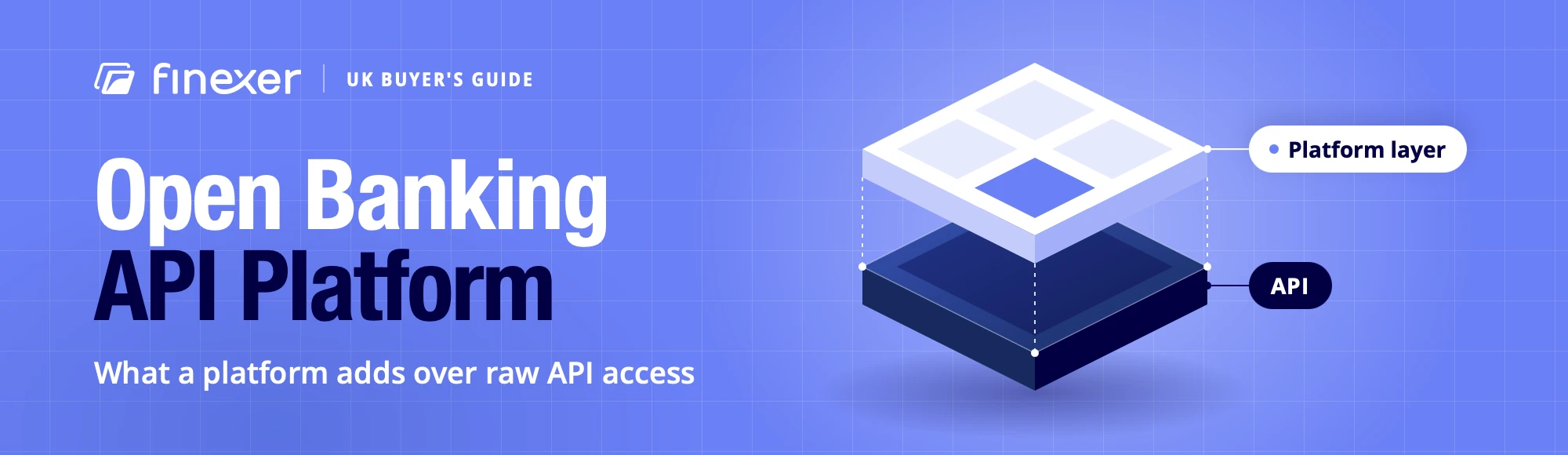
Open Banking API Platform: Complete UK Buyer’s Guide
An open banking API platform bundles the API with consent management, connection monitoring, dashboard visibility and support, the operational layer raw API access doesn’t include. This guide covers what a platform actually adds, who needs one versus who’s fine with an API alone, and how to verify a provider’s FCA authorisation before choosing.
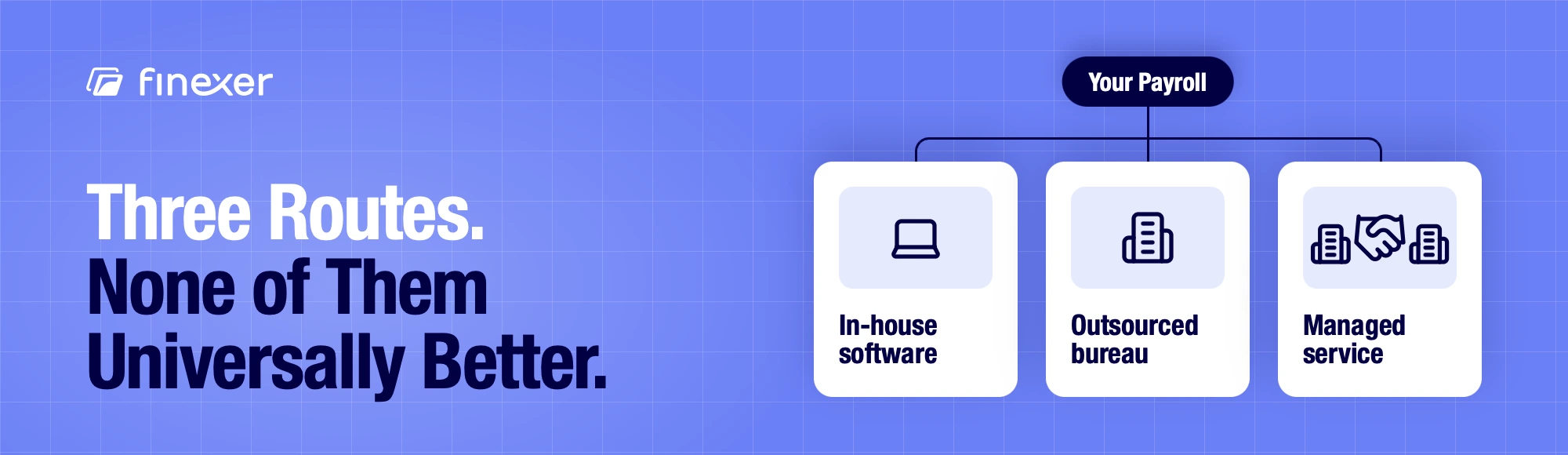
Payroll Processing Services UK: Complete Buyer Guide
Choosing between in-house payroll software, an outsourced bureau, or a managed payroll processing service comes down to headcount, complexity and internal capacity. This guide walks through what payroll processing services UK actually cover, how UK payroll processing responsibility works with HMRC and the questions worth asking before you commit to a route.
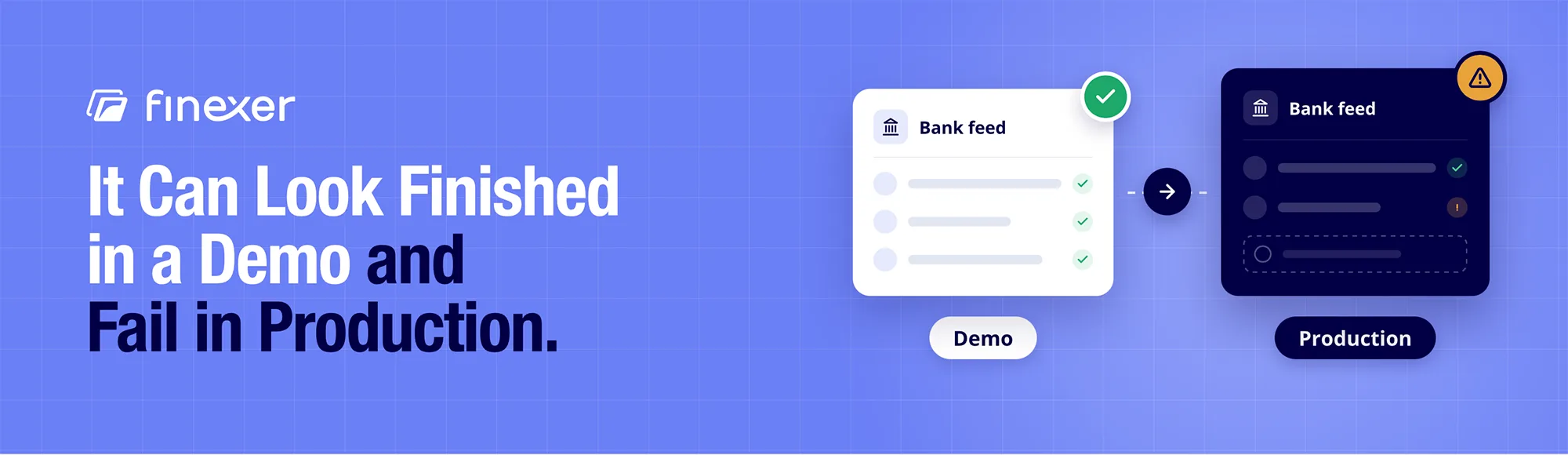
Account Information Services Provider: How to Choose
Choosing an account information services provider requires more than checking bank coverage. Compare account information service providers on FCA authorisation, AIS API quality, consent handling, webhooks, onboarding, data depth and pricing. This article shows what an AISP should deliver and the questions worth asking before committing to a contract for your platform today with confidence.
Check Account Balance: Verified UK Methods Guide
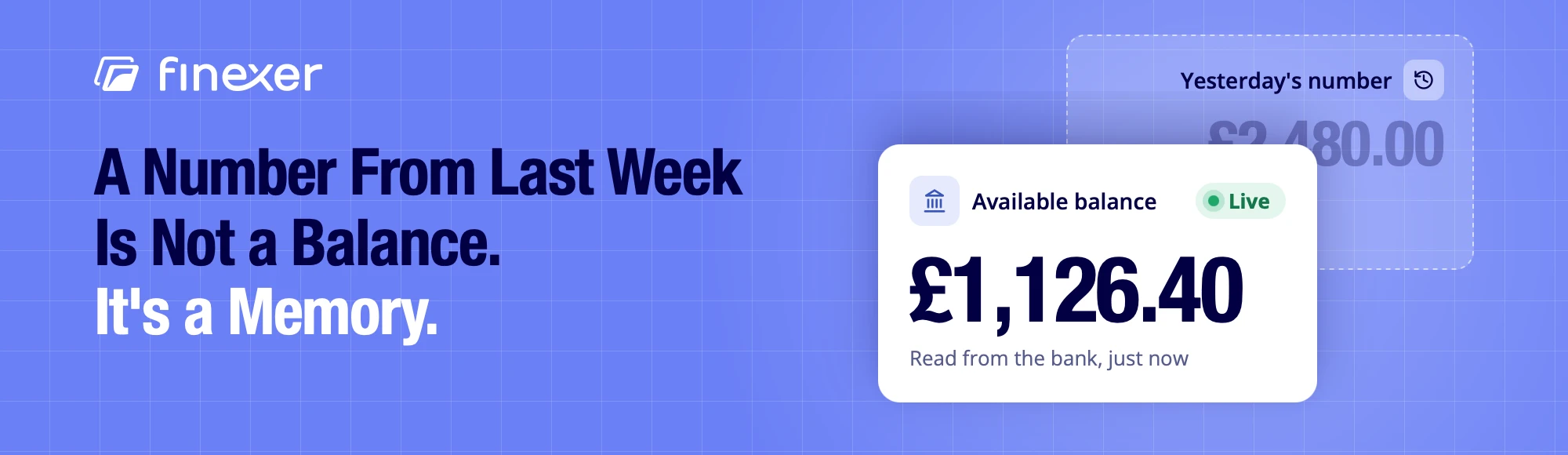
This article covers how to check account balance yourself in seconds, then answers the question platforms actually search for: how to check account balance online for a customer, with consent, before money moves. It walks through available balance versus current balance, what a live read confirms and where UK platforms fit Finexer into the picture.
Payment Infrastructure Providers: Top UK Picks Compared
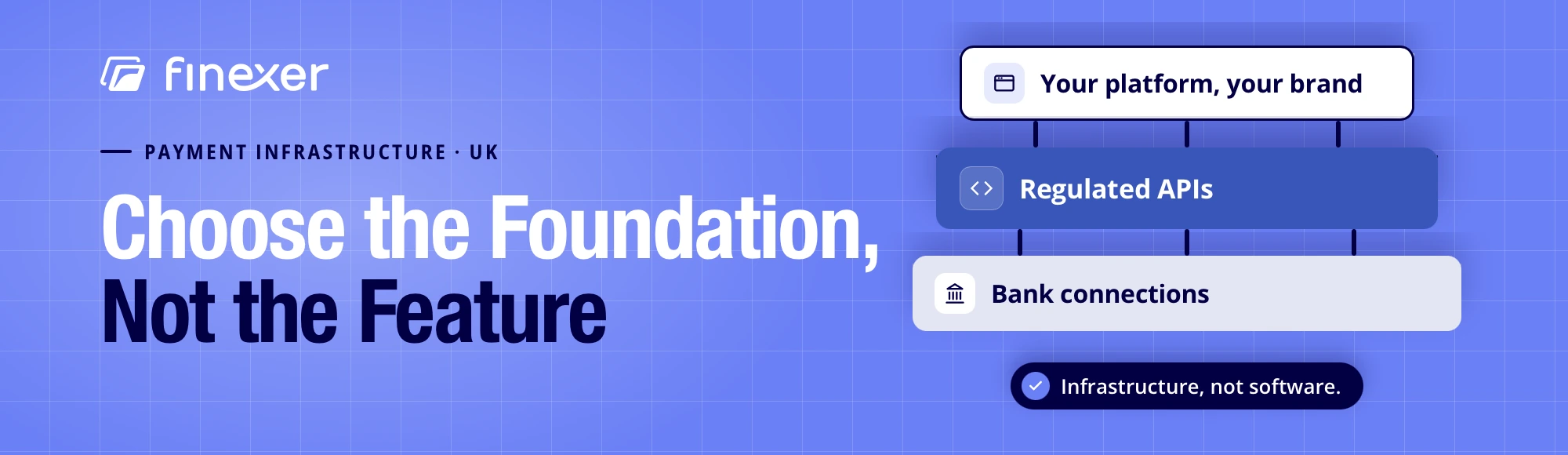
Choosing payment infrastructure providers is a foundation decision, not a feature decision. This guide distinguishes infrastructure from software, maps the four provider categories UK platforms evaluate, sets out the criteria that matter for this buying decision, and compares the recognisable UK-operating names so platform builders can shortlist with confidence.
Business Bulk Payments: Reliable UK Payment Runs
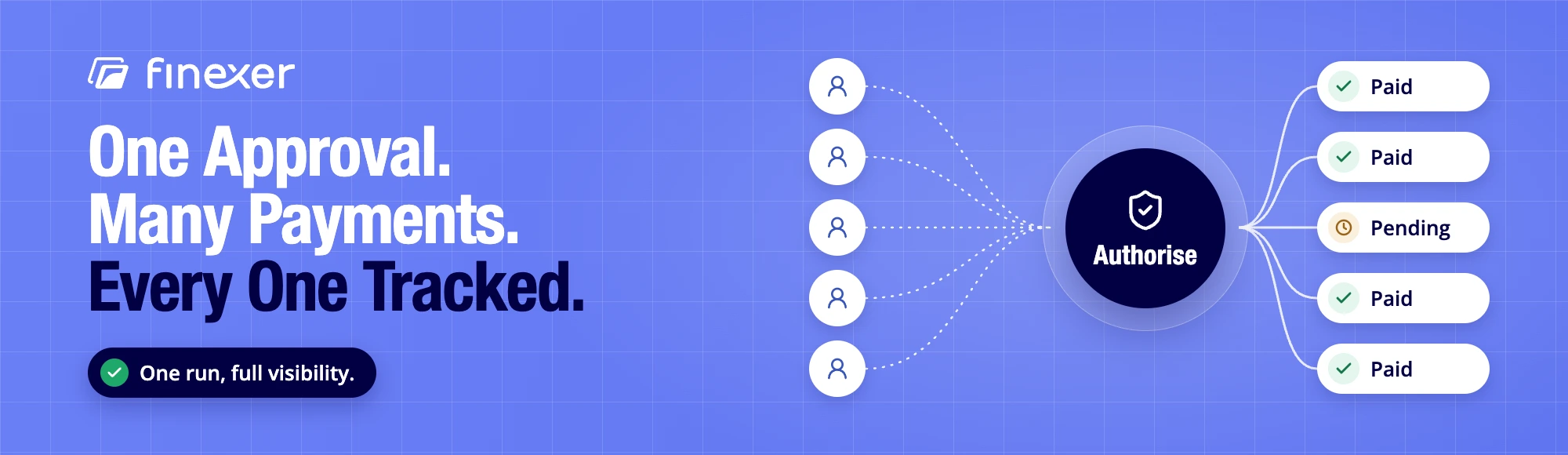
Business bulk payments let a business pay many recipients in one authorised run. This guide covers how a run actually works, BACS against Faster Payments and Open Banking routes, why bulk salary payments carry more risk than supplier runs, and how per-payment status stops one failure from hiding inside a batch.
SCA Regulation UK: Complete Guide to Strong Auth
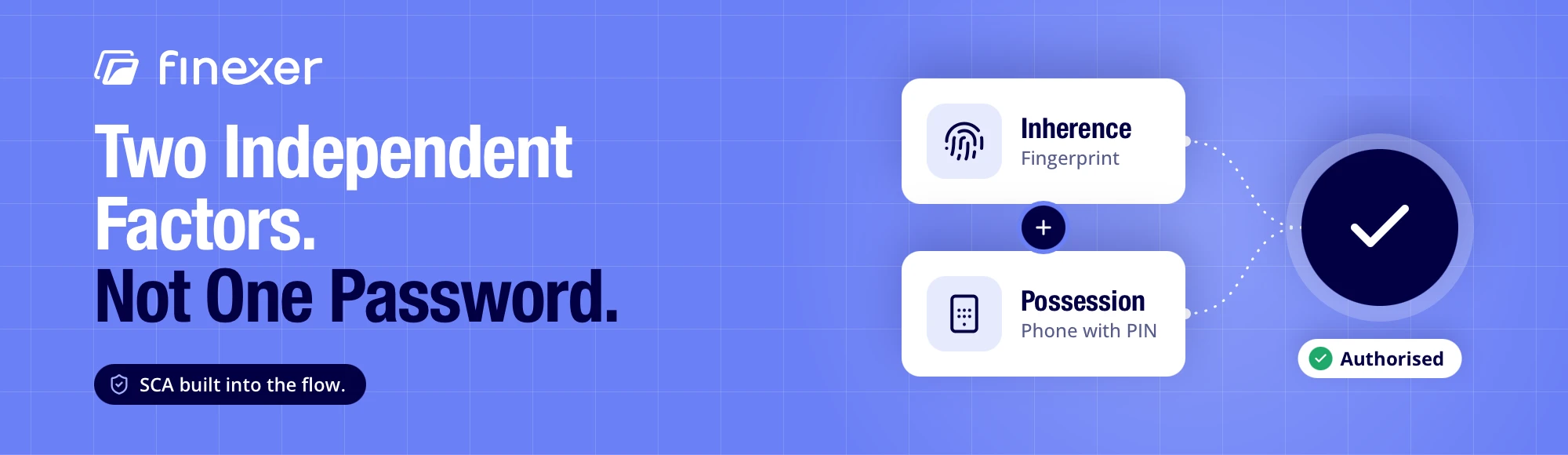
SCA regulation requires two independent identity factors before most payments are authorised. This guide explains the three factor categories, what the exemption categories cover without assuming specific thresholds, why open banking payments satisfy SCA natively, and what platforms must actually do to handle authorisation and failed attempts properly.
Cloud-Based Point of Sale: A UK Buyer’s Guide for Retail and Hospitality
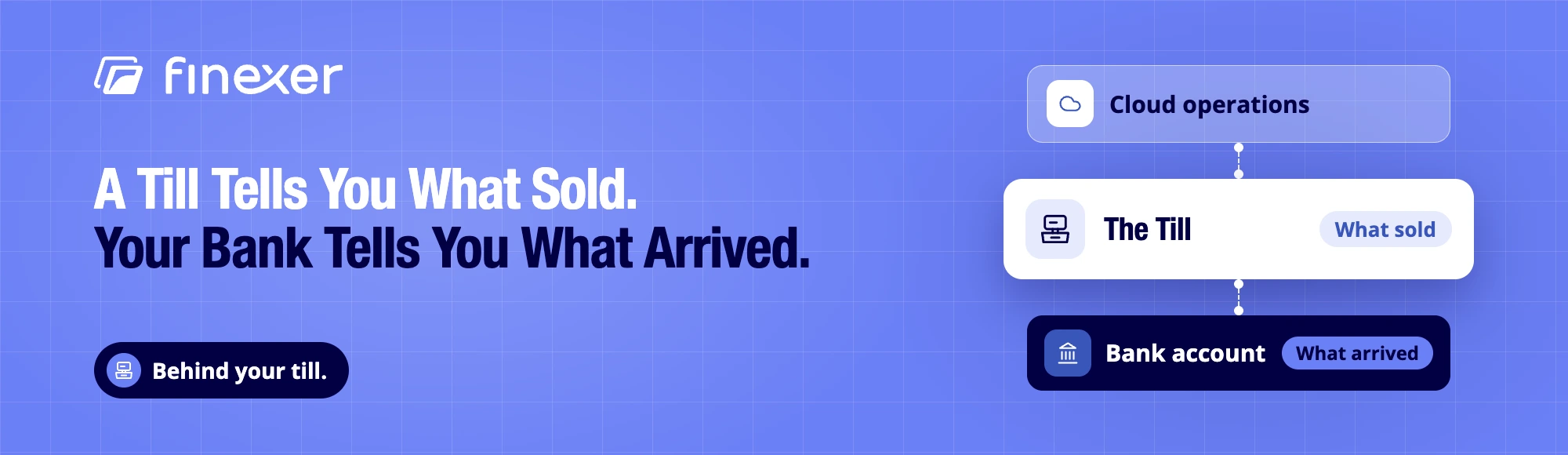
A cloud-based point of sale helps UK retailers and hospitality operators manage sales, inventory and reporting from connected devices. This guide compares cloud-based point of sale software and a cloud-based point of sale system with traditional EPOS, then examines payments, bank data, integrations and reconciliation before choosing a provider for a commercially sensible buying decision.
Variable Recurring Payments: Complete Open Banking Guide
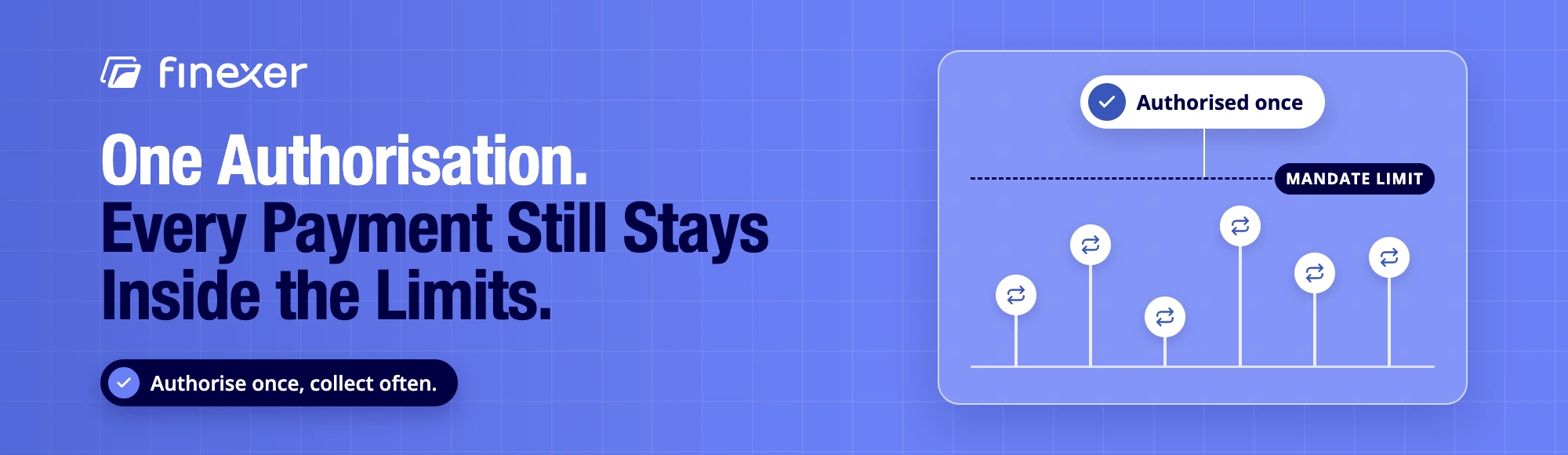
Variable recurring payments open banking let a customer authorise future payments once, within limits they control and can revoke at any time. This guide covers how a VRP mandate works, sweeping versus commercial VRP, how it compares to Direct Debit and cards, and where Finexer fits with instant settlement.
Open Banking for Business Accounts: Complete UK Guide
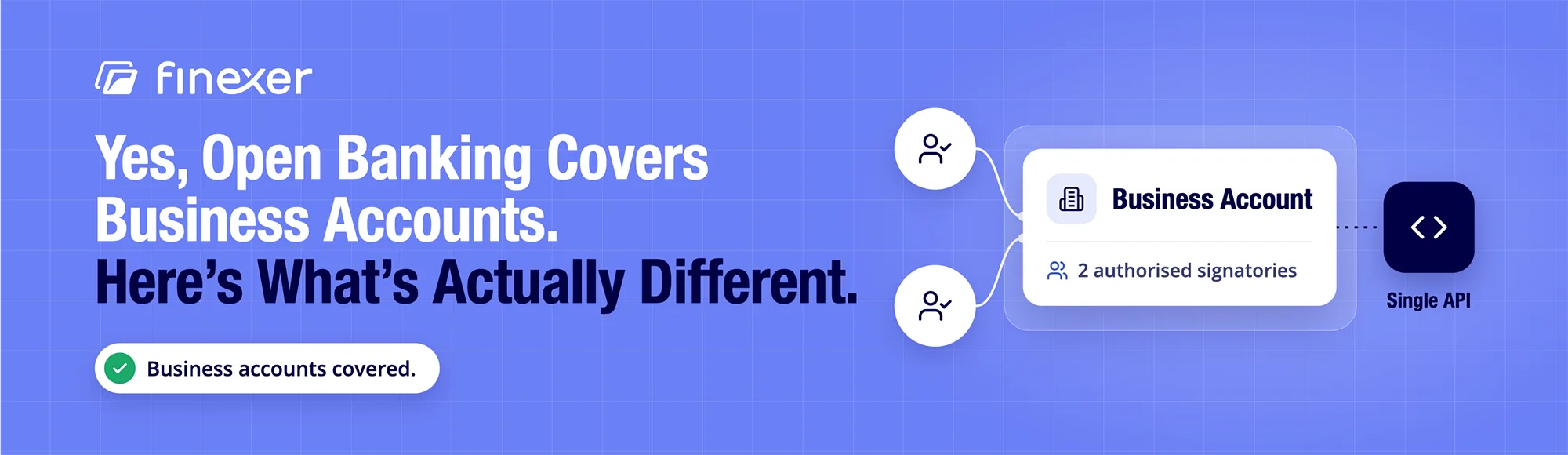
Open banking for business accounts works across UK banks today, but coverage and consent rules differ from personal accounts. This guide covers signatory-based consent, real business account coverage, what access unlocks for platforms, and how Finexer handles business accounts through the same FCA-authorised integration used for personal ones.
What are the top Open Banking platforms for UK SMEs ?
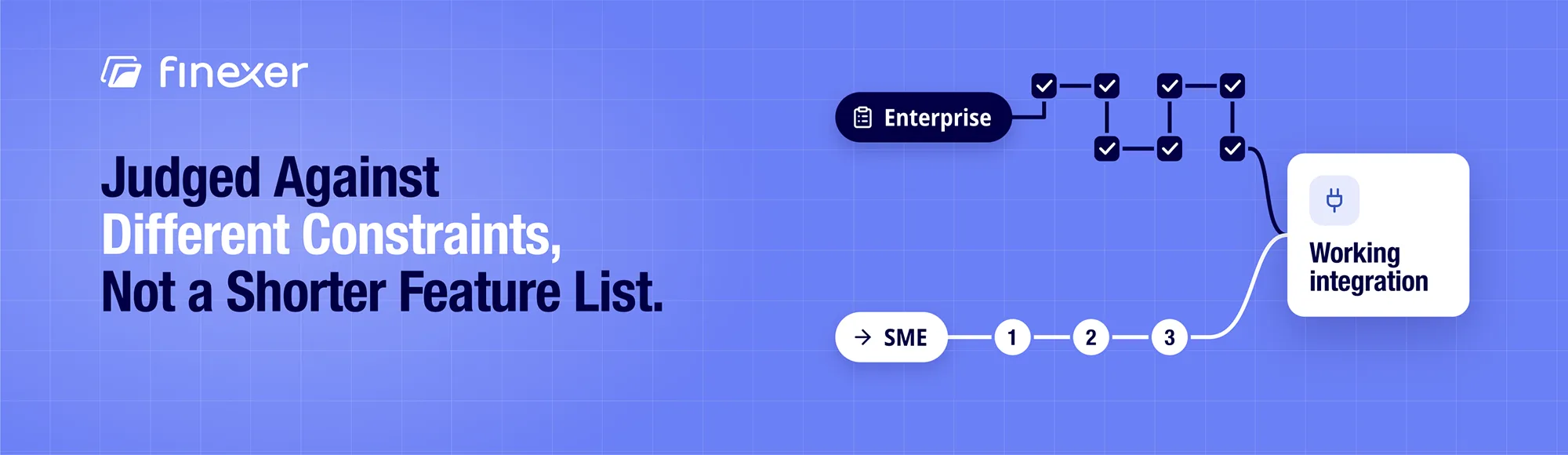
SME buyers need: no long procurement cycles, sandbox access before contract, agent licensing to avoid FCA burden, dedicated support within a week. Discover which open banking platforms for SMEs skip lengthy sales cycles and friction. Learn why agent-route providers matter for teams. Find out what SMEs shouldn’t compromise on: FCA authorisation and account type coverage.
Open Banking API List: Top UK Providers Compared
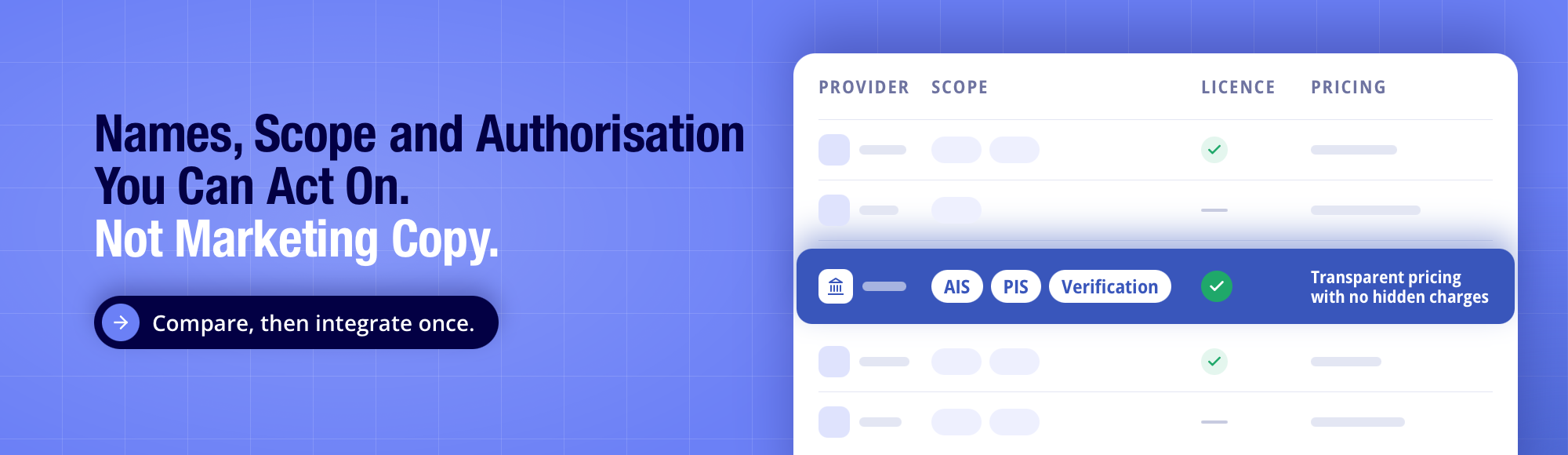
This open banking API list compares UK and UK-operating providers on what actually matters: API scope, FCA authorisation, bank coverage and pricing model, not brand recognition. TrueLayer, Yapily, Tink, Plaid and Finexer are compared directly in one table, with guidance on how to read it before you shortlist a provider.
What is transaction enrichment and why does it matter?
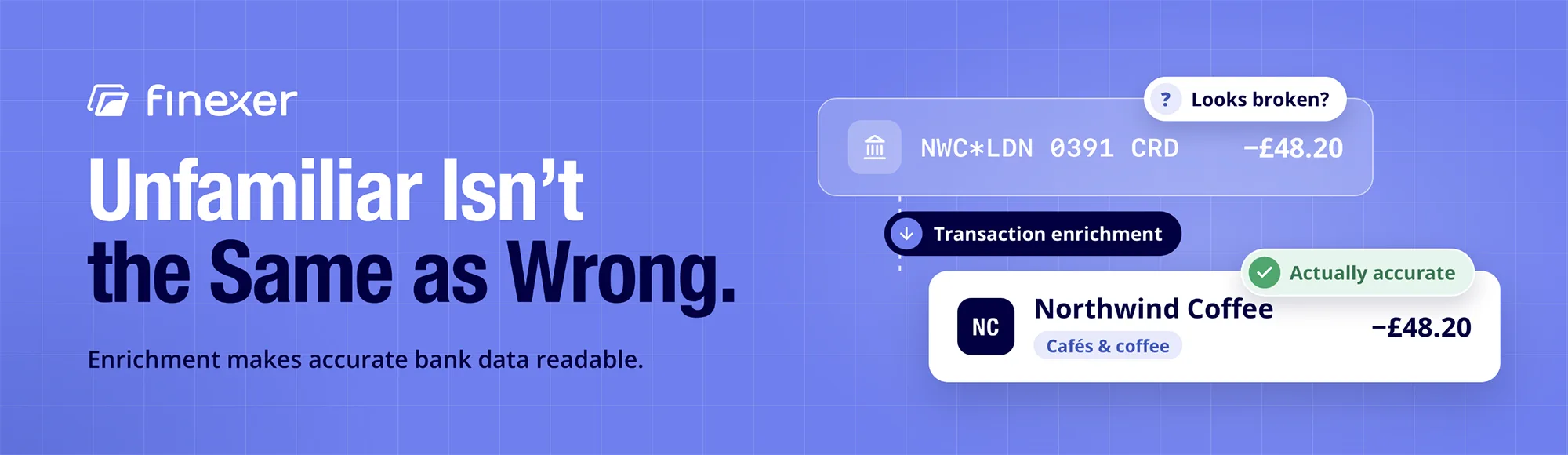
What is transaction enrichment? It turns standard Open Banking transaction descriptions into recognisable merchant names and useful categories. Learn why transaction enrichment matters for customer-facing banking data, reconciliation, reporting and product experiences, plus how Finexer adds merchant identification and categorisation through its Enrichment product for platforms building financial applications across accounting, ERP and fintech products.
Banking statement API data: What actually returned ?
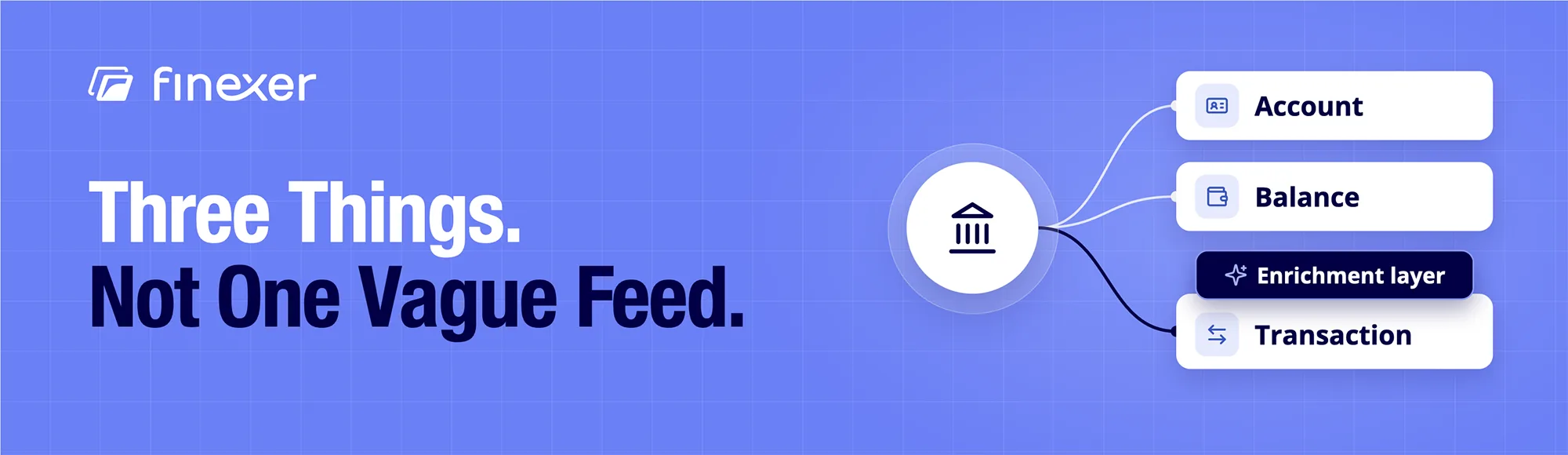
Banking statement api data is not one single thing. A UK Open Banking connection returns account data, balance data and transaction data, structured through the same consented request rather than parsed from a document. This article covers what each type actually contains and what a platform can build once a document is no longer needed.
How accurate is automated transaction categorisation?
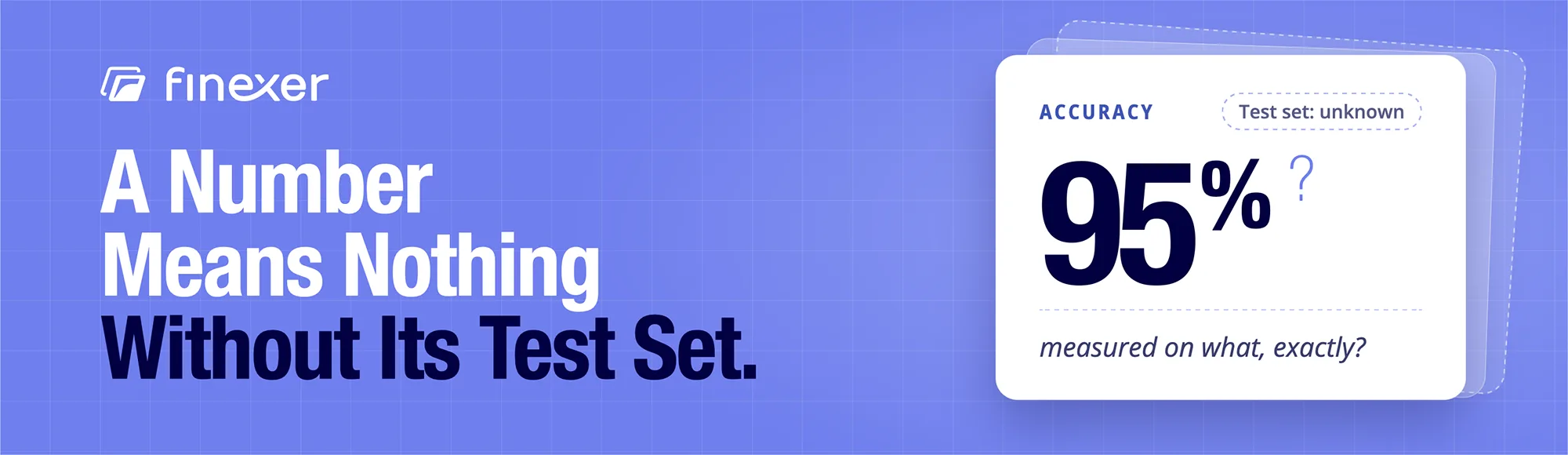
Transaction categorisation accuracy depends on more than a headline percentage. This guide explains how merchant coverage, transaction descriptors, test sets and use cases affect results and how transaction enrichment can add context. Learn what to test, what accuracy means in practice and which questions to ask before choosing an automated categorisation provider for your product.
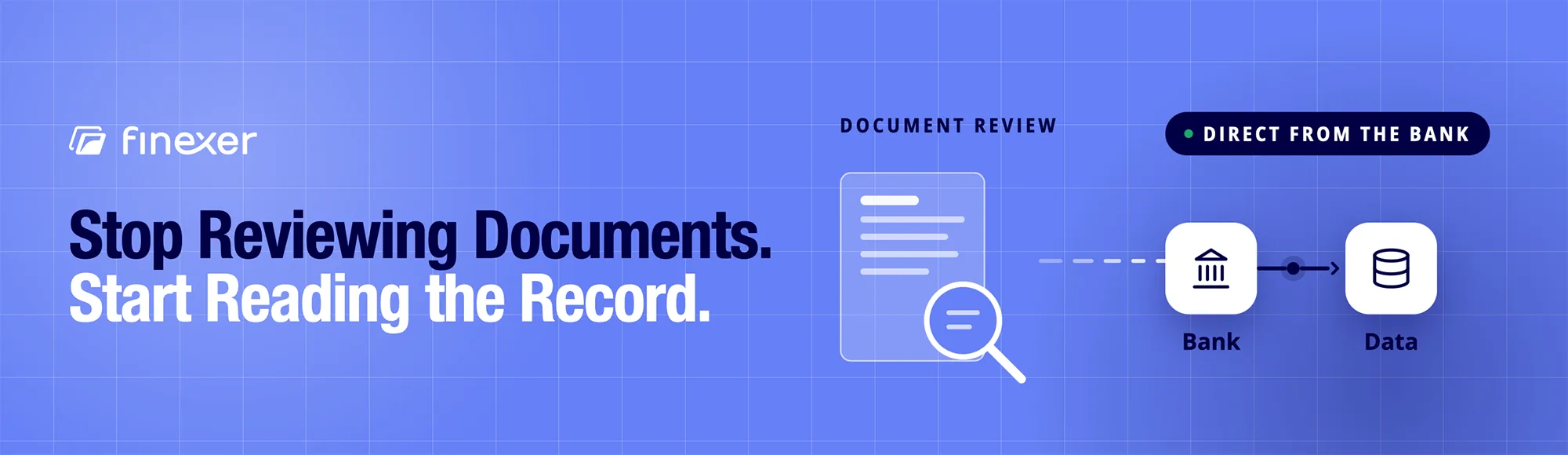
How Do You Detect Fake or Edited Bank Statements?
Fake bank statement detection by eye catches only obvious cases: mismatched fonts, totals that visibly do not add up correctly. A competent edit passes most manual checks without much trouble. This article covers what manual review actually catches, why a document is structurally weak, and what changes once data comes straight from the bank instead.
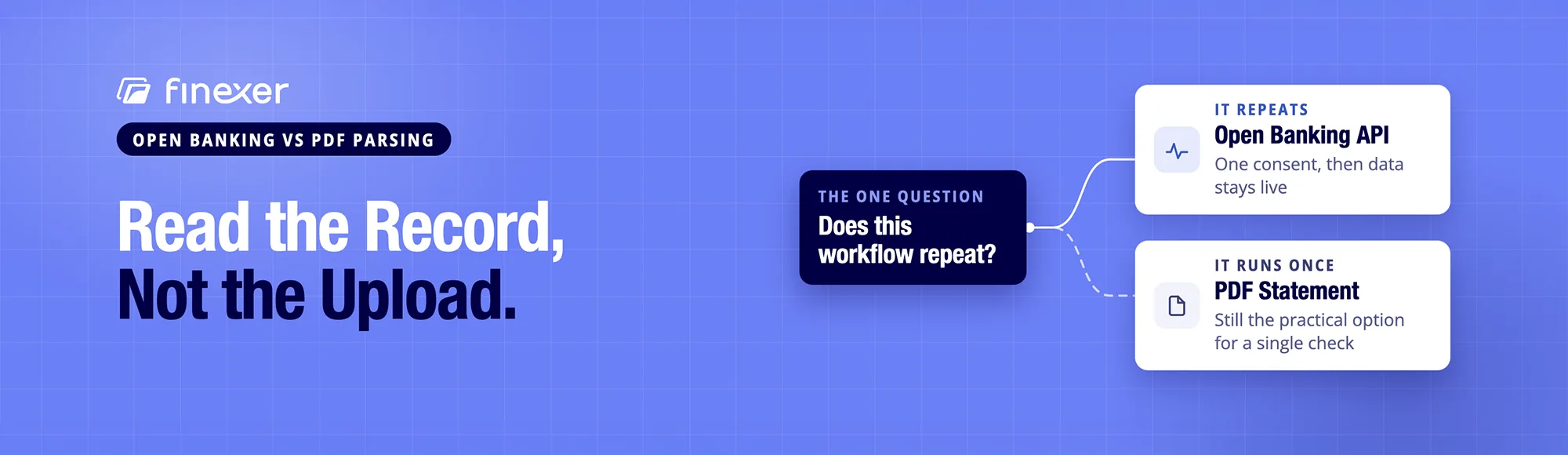
Open Banking vs PDF Bank Statement Parsing: Which Should We Use?
Open banking vs bank statement parsing is not a close call for a workflow that genuinely repeats month after month. PDF parsing depends on a document a customer has to find, download and upload, one that can be edited before it ever reaches you. This article compares both methods on accuracy, effort and completion rate.
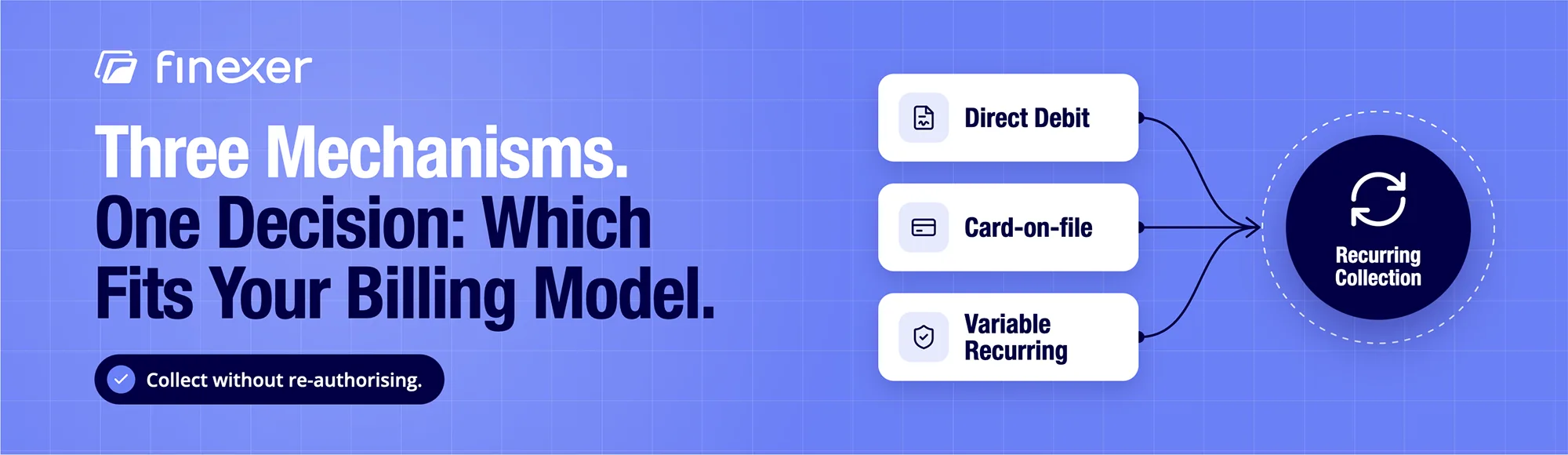
Recurring Payment Solutions: 3 UK Options Compared
Compare recurring payment solutions for UK subscriptions, billing platforms, proptechs and financial organisations. This guide compares Direct Debit, card-on-file and variable recurring payments across setup, amount flexibility, customer control, payment failures, settlement and reconciliation. Find the right collection method for fixed, variable, usage-based, high-value and irregular billing models.
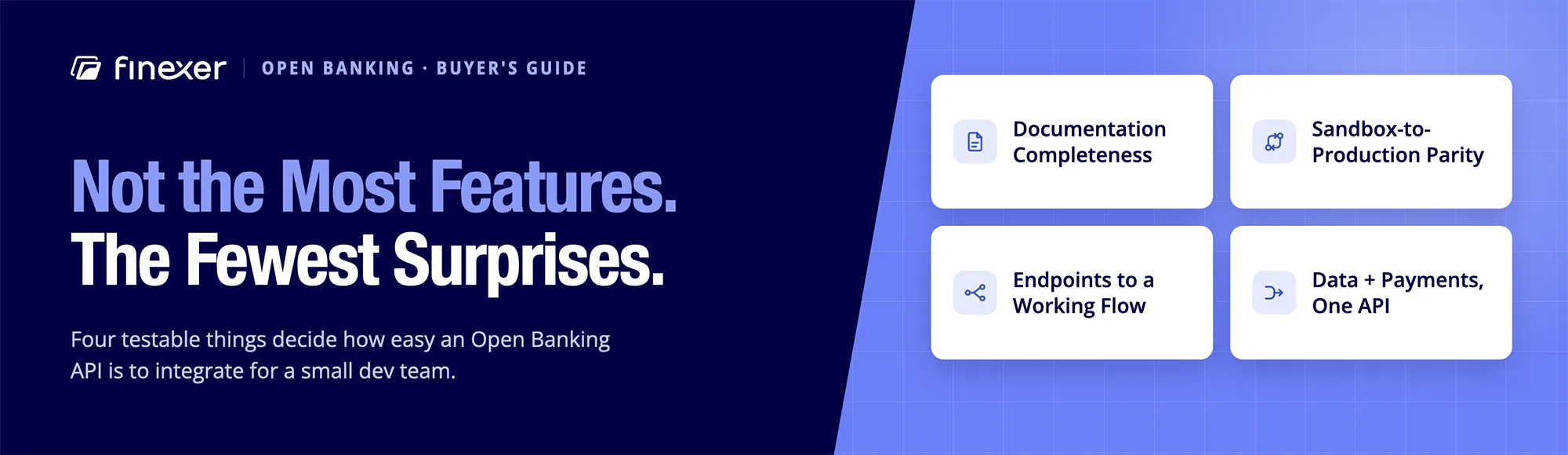
Which Open Banking APIs are easiest to integrate for a small dev team?
Ease of integration comes down to four testable things: documentation, sandbox parity, endpoint count, and whether data and payments sit in one API. Here’s a practical framework for evaluating the easiest open banking api for a small dev team, before committing build time.
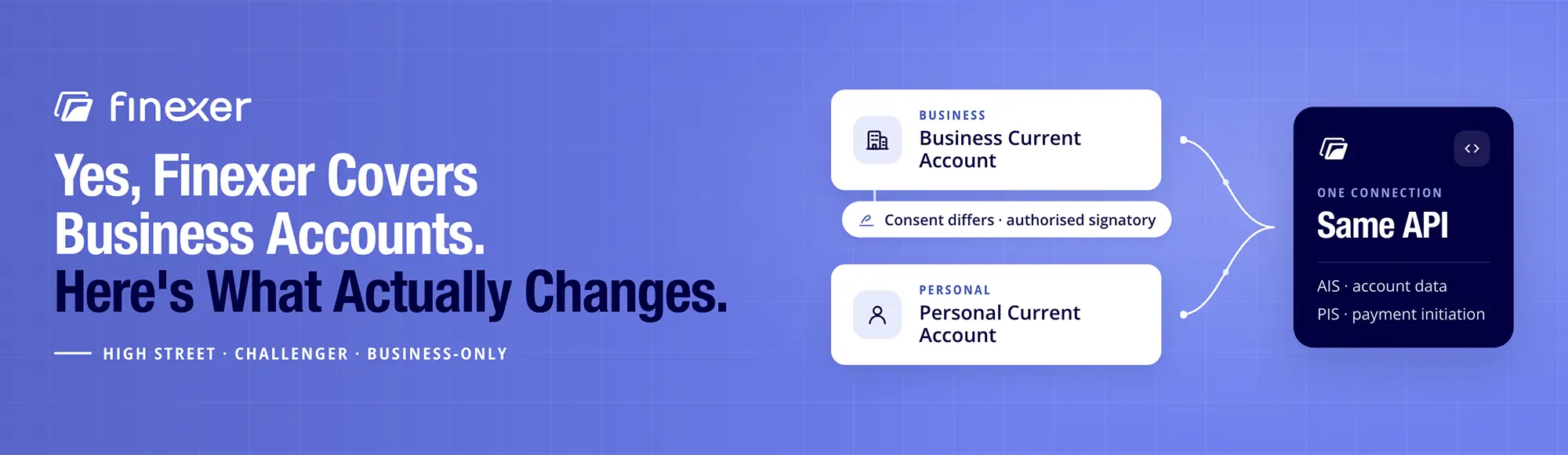
Does Finexer cover UK business and challenger accounts?
Yes, business bank account open banking through Finexer covers business current accounts across high street, challenger, and business-only providers. Here’s what differs from personal accounts: signatory consent, multi-user structures, and mandate rules, plus the exact account types covered and 2026 usage data.
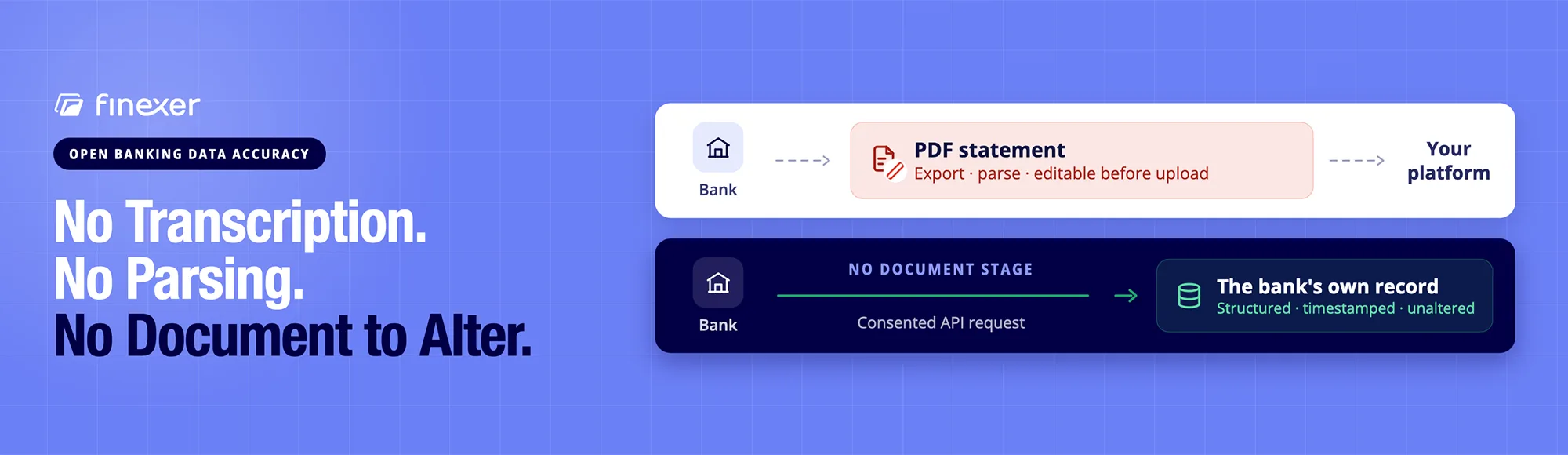
How Accurate Is Open Banking Data Compared to Uploaded Bank Statements?
Open banking data accuracy comes from the bank’s own record, with no transcription step, no parsing tool, and no document that can be altered before it reaches you. An uploaded PDF statement has already passed through both. This article compares the two on accuracy, completeness and audit trail, then covers what API data still needs.
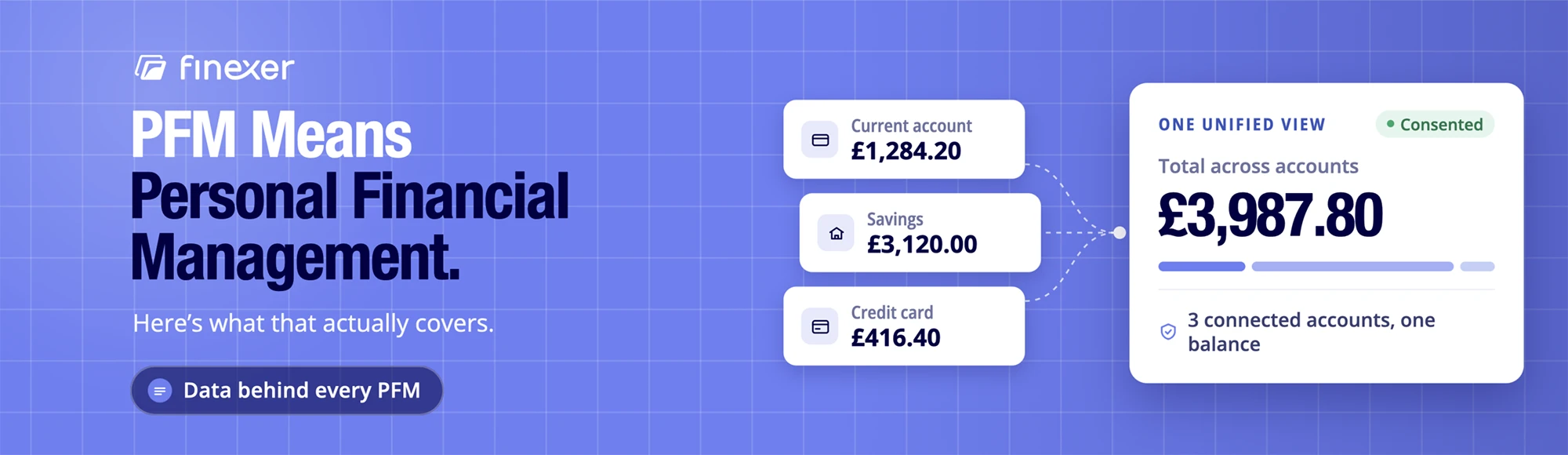
PFM Meaning: What Personal Financial Management Actually Covers
PFM, meaning Personal Financial Management, is a category of tools bringing forth account balances, categorising everyday spending and flagging upcoming bills before they land. This guide’s coverage extends to what PFM represents, ways a PFM tool reads banking data behind the scenes and the needs that a platform may have before it properly builds one.
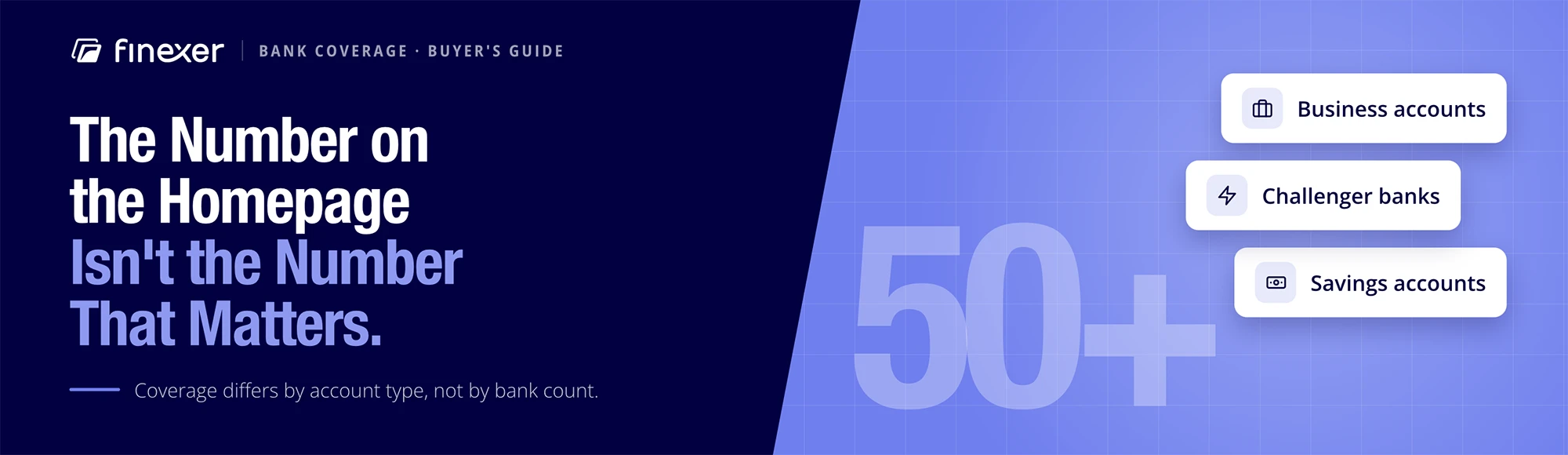
Which Open Banking provider has the best UK bank coverage?
Headline bank counts look impressive but tell you little about real open banking bank coverage. The differences that matter sit in business accounts, challenger banks, and connection reliability. Here’s what to ask a provider before choosing, and where common coverage gaps actually appear.
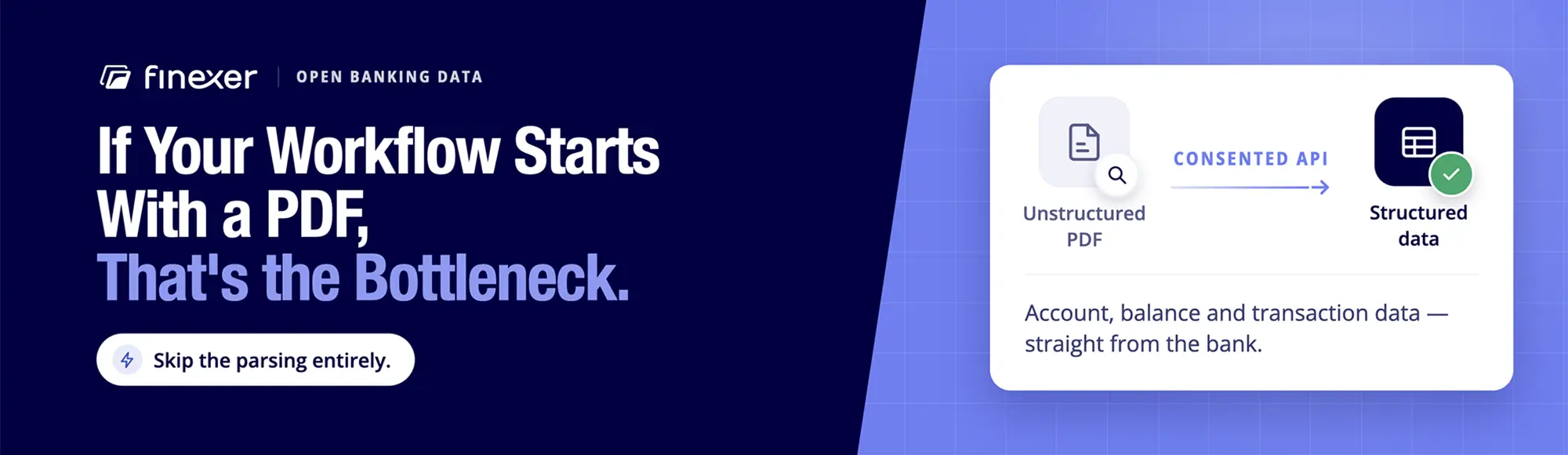
Extract Data From Bank Statements: Best UK Methods
Extract data from bank statements without turning finance operations into a document-processing exercise. Comparing manual entry, CSV exports, PDF parsing, OCR and consented Open Banking access for bank statements, with practical guidance on accuracy, freshness, audit trails, data quality and direct banking data, makes better sense for UK accounting and platform workflows at scale.
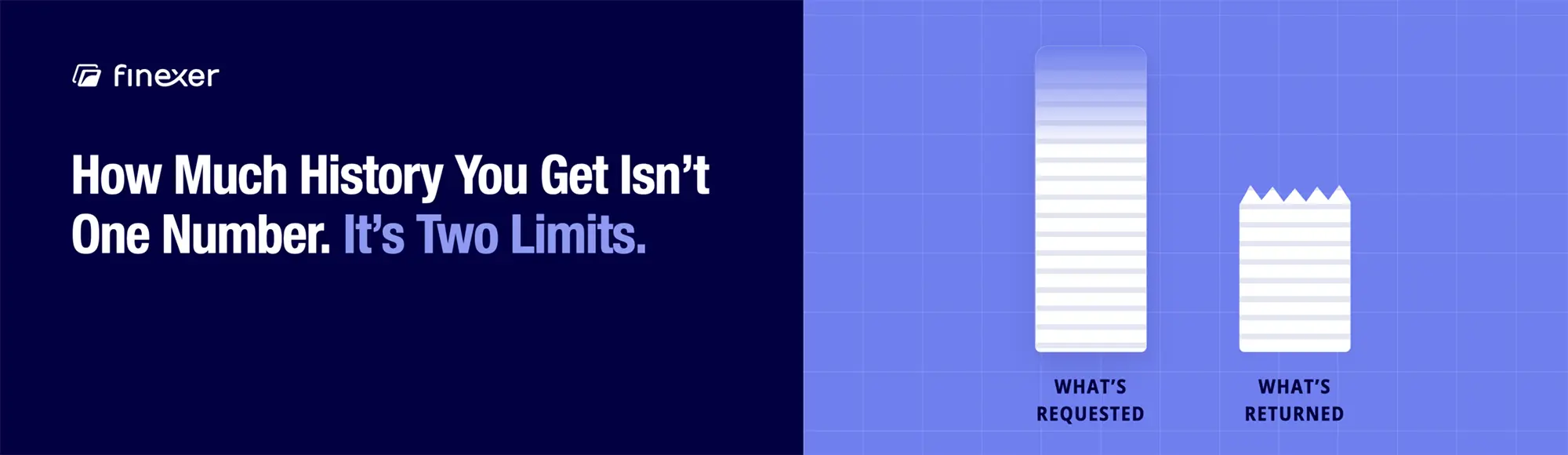
How much transaction history can Open Banking return in the UK?
Open Banking transaction history varies by bank. Learn how provider requests, bank support and consent timing affect historical data.
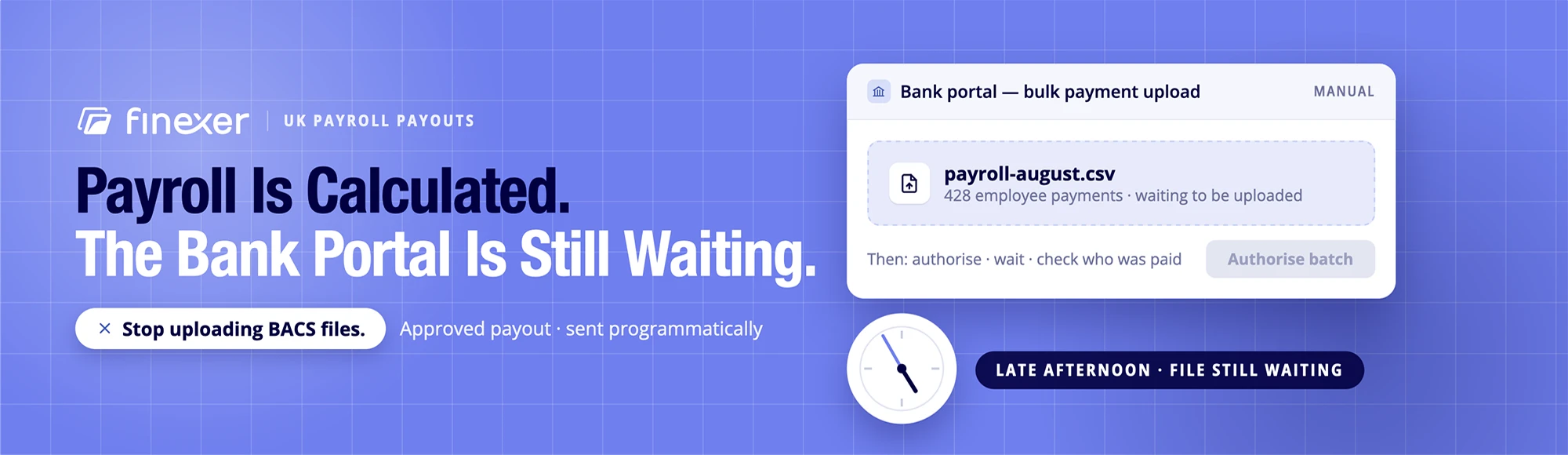
Automate Payroll Payments: What Changes After Payroll Is Approved
Automate payroll payments from an approved payroll payout, return the status of each employee’s payment and reconcile the completed payout against bank data. This guide explains where manual BACS work remains, how automated payroll software differs from payment automation and what finance and payroll teams should retain around approvals, bank details, exceptions and audit controls…
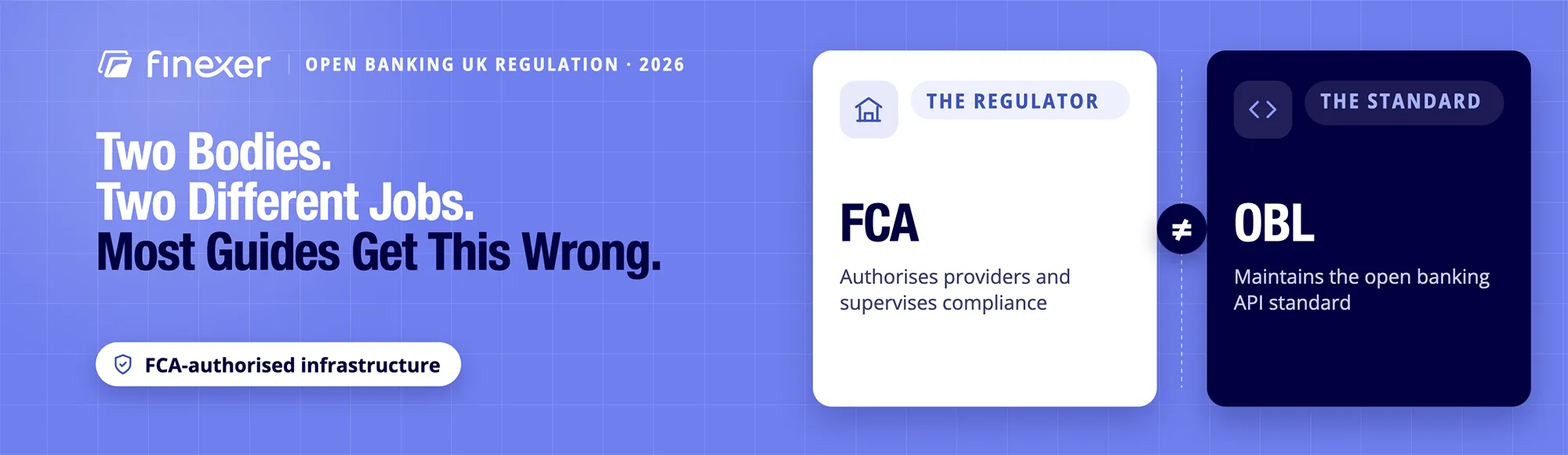
Open Banking UK Regulation: Essential 2026 Guide
Open banking UK regulation divides responsibility between the FCA and Open Banking Limited, with PSD2 as its legal foundation. This guide explains authorisation, AISP and PISP status, the 2026 regulatory changes, and what compliance leads and product managers should verify before building on an open banking provider.
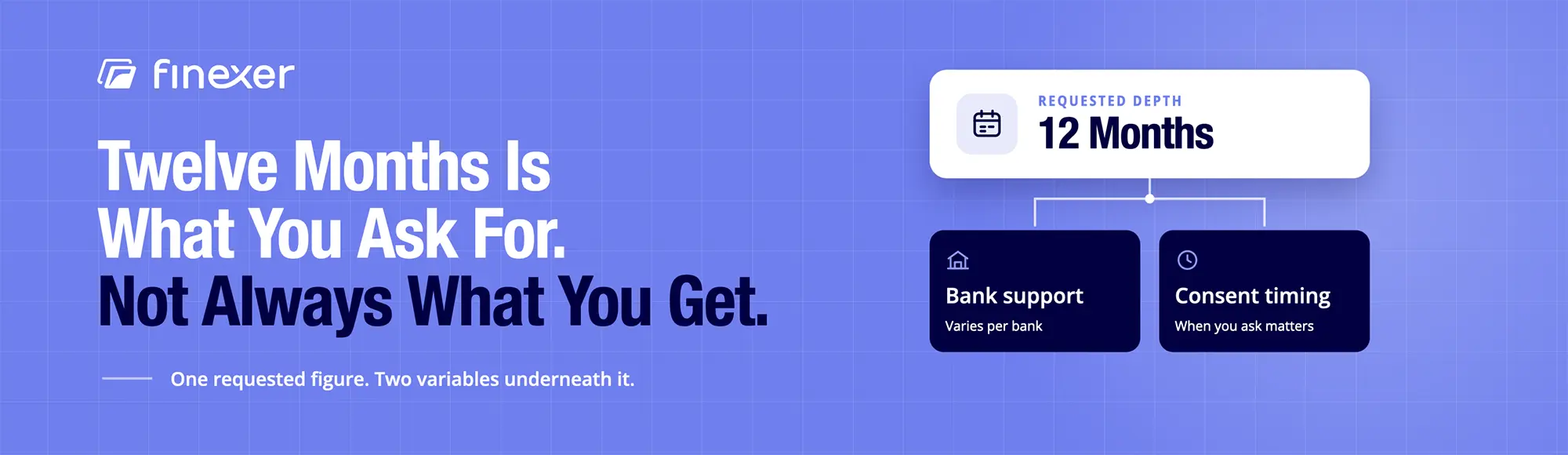
Which API Gives 12 Months of UK Banking Transaction History?
Most UK Open Banking APIs can request twelve months, but whether you receive it depends on the connected bank and on when you ask relative to consent.
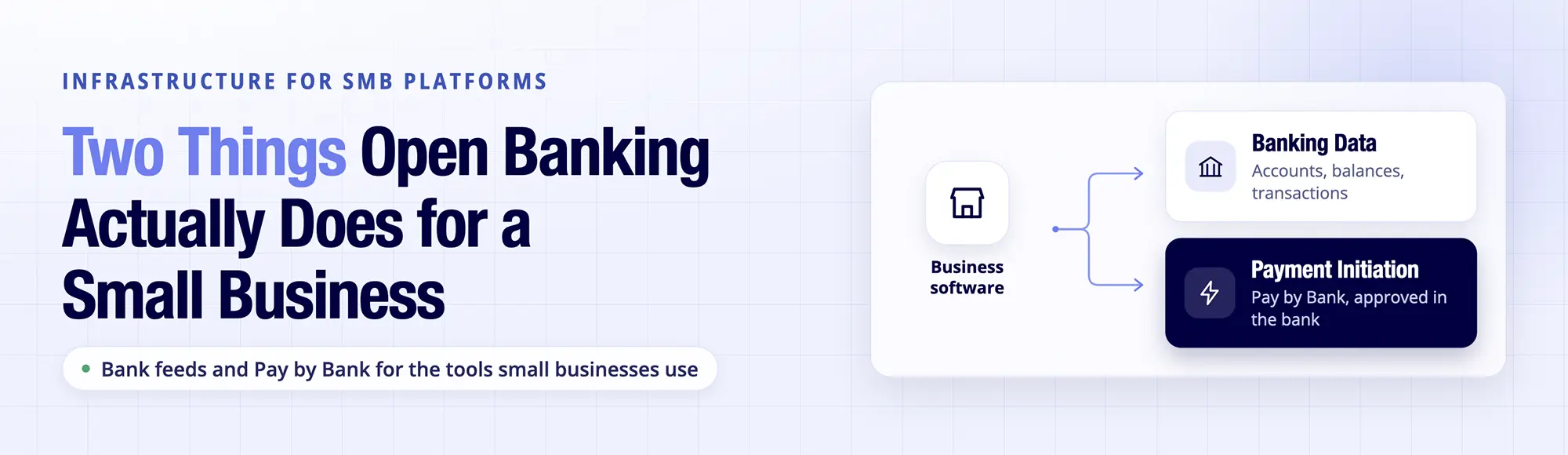
Open Banking for Small Businesses: A Practical UK Guide
Open banking for small business gives smaller firms access to banking data and account-to-account payments through regulated providers. This guide explains small business payment processing, Pay by Bank, reconciliation, cash visibility and open banking payment initiation, including what businesses need to get started and where platform providers such as Finexer fit into the picture.