
Get Paid Faster with Finexer
Connect with 99% of the UK Banks and Scale Your Business without Limits
Bank transfer delays affect UK businesses differently from individuals. A delayed supplier payment, a blocked contractor payout, or a flagged property completion – these are not personal banking inconveniences. They are operational disruptions.
This guide is written for B2B finance teams, platform operators, and business owners dealing with delayed or blocked UK bank transfers. It covers exactly why transfers get held, what to do at each stage, and how switching to Open Banking-based Faster Payments removes most of these friction points permanently.
TL;DR
Faster Payments in the UK typically arrive within seconds – up to 2 hours at most. BACS takes 3 working days. CHAPS arrive the same day if sent before your bank’s cutoff (usually around 3pm). If your transfer has not arrived within these windows, it has either been flagged for a compliance review or failed due to a payee mismatch.
For B2B platforms and finance teams, the most common cause of repeated delays is wire transfer friction – manual reference errors, Confirmation of Payee mismatches, and out-of-hours processing. Open Banking Faster Payments eliminates most of these issues by using bank-authenticated, real-time transfers with embedded payment references and instant confirmation.
Key Takeaways
How long does a Faster Payment take in the UK?
Faster Payments arrive within seconds. Banks can take up to 2 hours in some cases. If it has not arrived after 2 hours, contact your bank – it may be held for review.
Why do large bank transfers get delayed?
Transfers significantly higher than your account’s usual pattern trigger automated fraud and AML checks. This is especially common for B2B platforms processing end-of-month supplier payments or one-off large payouts.
What does f/flow mean on a bank statement?
F/Flow stands for Faster Payments flow. It appears as a reference prefix on Faster Payment transactions in some UK bank statement formats. It is not an error.
How can businesses avoid bank transfer delays?
Use Open Banking Faster Payments with embedded payment references and Confirmation of Payee. This eliminates manual entry errors and gives instant settlement confirmation – removing the two most common causes of B2B transfer delays.
A bank transfer in the UK is supposed to be fast, simple, and trackable. But for many people, especially those handling business payments, things don’t always go as planned.
Sometimes the money doesn’t arrive when expected. Other times, the transaction gets blocked outright with little explanation.
Before jumping into the causes and fixes, it helps to understand the three main types of UK bank transfers:
- Faster Payments: Typically settles within a few minutes but can take up to 2 hours. Most common for personal and business transfers under £1 million.
- BACS Transfers: Takes up to 3 working days. Often used for payroll and recurring business payments.
- CHAPS Payments: Used for high-value transactions. Funds usually arrive the same day if sent before the cutoff time.
All three routes are designed to move money between UK bank accounts, but delays happen more often than most people realise. In many cases, the issue isn’t with the network itself but with how the payment was flagged or processed along the way.
Guide to UK Bank Transfer Modes
How Long Does a Bank Transfer Take in the UK?
If you sent a Faster Payment a few hours ago and it has not arrived, check these first:
- Confirm your banking app shows the payment as sent – not pending or queued
- Verify the recipient’s sort code and account number are correct
- Faster Payments can take up to 2 hours – if under 2 hours, wait
- Over 2 hours with no arrival – contact your bank with the payment reference, it is likely under a compliance hold
- Paying a business account from a personal name (or vice versa) – a Confirmation of Payee mismatch may have caused a hold
For B2B platforms processing multiple payments in a batch, a single mismatched reference can hold the entire run.
If your bank transfer hasn’t arrived yet, the first question to ask is: Was it delayed, or was it blocked outright? Timing plays a big role in figuring that out.
Here’s how long different UK bank transfers typically take:
Faster Payments
- Normal timeframe: Within a few minutes, but can take up to 2 hours
- Limits: Up to £1 million, depending on the bank
- When delays happen: Outside banking hours, flagged for review, or network maintenance
Bacs Transfers
- Normal timeframe: 3 working days
- Used for: Payroll, HMRC payments, supplier invoices
- When delays happen: Public holidays, incorrect submission files
CHAPS Payments
- Normal timeframe: Same day (if submitted before bank cutoff, usually around 3pm)
- Used for: House purchases, high-value transactions
- When delays happen: Submission after cutoff, compliance checks
It’s important to track when the transfer was initiated and which type of payment was used. For example, if you made a Faster Payment on a Saturday night, it may not process until Monday morning, even though it’s technically “instant.”
If your bank transfer delays extend beyond the expected window, that’s often a sign the transaction was paused for manual review. We’ll cover the most common triggers next.

4 Common Reasons a Bank Transfer Gets Blocked or Delayed
A bank transfer might be delayed for reasons that have nothing to do with technical failures. In most cases, the issue comes down to automated compliance checks or missing information. Here are four of the most common causes:
1. The Payment Is Pending Internal Review
If you’re wondering why is my bank transfer is pending, it’s often because the bank’s automated systems flagged it for extra scrutiny. Common triggers include:
- Unusual amounts for your account history
- Payments to newly added recipients
- Vague or suspicious descriptions (e.g. “loan”, “services”, or “gift”)
These triggers cause the transaction to be routed for manual compliance review, especially during non-working hours.
2. Mismatch in Payee Information
If the name on the account doesn’t match the sort code and account number, your bank may pause the transaction. While some banks allow you to proceed despite a mismatch, others may block the payment entirely.
This is especially common when:
- You’re paying someone for the first time
- The account is a business account, but listed as a personal name
- You mis-type one digit in the sort code or account number
3. Out-of-Hours Transfers
Most bank transfers process instantly during working hours, but if you send money late in the evening, over the weekend, or on bank holidays, it may not go through right away, especially with CHAPS or Bacs.
Banks may also batch certain transfers for manual review the next business day, particularly if they involve flagged recipients or large sums.
4. Large or Unusual Amounts
Transferring a much higher amount than usual can trigger anti-fraud alerts. Even if you’re within your payment limit, your bank may temporarily block the transfer for security checks.
This often happens with:
- End-of-month supplier payments
- One-off payouts
- Charity donations
- Transfers to new investment platforms
For B2B businesses, this is the most disruptive category. End-of-month supplier payments, one-off contractor payouts, and property completion transfers are all high-value and often non-recurring, which means they consistently trigger automated fraud checks even when they are entirely legitimate.
If your business regularly sends large transfers, you can reduce holds by notifying your bank in advance for payments over £10,000, using consistent payment references so the system recognises the pattern, and switching to CHAPS for time-critical large payments (same day, if submitted before the 3pm cutoff).
If the transfer seems out of pattern, it could be delayed or blocked pending review.
What to Do If Your Bank Transfer Is Not Received
If a bank transfer is not received within the expected timeframe, it’s important to act quickly but calmly. Delays don’t always mean the payment failed. Here’s how to check what’s happening and what to do next.
Step 1: Confirm the Payment Was Sent
Log in to your online banking and verify:
- The transaction shows as completed (not pending or queued)
- The date and time it was initiated
- The exact payee name, sort code, and account number used
- The payment type (Faster Payments, Bacs, or CHAPS)
If the transaction still says pending, you may be dealing with an internal review, which leads to further delay.
Step 2: Contact Your Bank’s Customer Support
Have the following details ready:
- Payment reference ID
- Payee account details
- Amount and payment date
- Any messages or error codes from your bank
When speaking to support, ask directly if the transfer is held for compliance checks or flagged by the system. This can speed up escalation.
Step 3: Ask the Recipient to Check Their End
Sometimes, the issue of not receiving the bank transfer is due to delays on the recipient’s side. They should:
- Check for pending inbound payments
- Confirm they shared the correct account details
- Speak with their bank if needed
Note: Some banks delay incoming funds from unfamiliar senders until internal checks are complete.
Step 4: Know When to Escalate
If the issue isn’t resolved within 24–48 hours for Faster Payments (or longer for Bacs), request:
- A payment trace
- Written confirmation that the money has left your account
- A complaint reference if delays continue
What Does F/Flow Mean on a UK Bank Statement?
If you have seen “F/Flow” or “FP Flow” appear next to a payment on your UK bank statement, it is a Faster Payments flow reference – not an error.
F/Flow is a prefix used by some UK banks in their statement formatting to label transactions processed through the Faster Payments network. It confirms the payment was sent or received via Faster Payments rails.
If the amount next to an F/Flow entry does not match what you expected, use the reference number alongside it to trace the specific payment. Contact your bank with that reference if the amount is incorrect or the sender needs a receipt confirmation.
How Do UK Businesses Avoid Bank Transfer Delays?
The most reliable way to avoid bank transfer delays is to remove the steps where delays happen: manual reference entry, payee name mismatches, and out-of-hours batch processing.
UK businesses comparing direct bank transfer alternatives can see how account-to-account payments work in practice – A2A transfers use Open Banking rails to settle in real time, 24/7, without manual reference steps.
Traditional bank transfers still rely on older rails like Bacs, CHAPS, or even internal manual reviews, and that’s exactly where delays and blocks creep in. Open Banking offers a faster, more transparent alternative for sending money across the UK.
Here’s why it’s gaining traction among finance teams, platforms, and payment processors:
1. Real-Time Bank Authentication
Instead of entering sort codes and account numbers manually, Open Banking uses secure bank authentication to verify the sender and recipient directly through their banks. This reduces the risk of fraud, eliminates typos, and improves approval rates.
2. Instant Confirmation of Payee
Before any money moves, Open Banking verifies that the account details match the intended recipient. No guesswork. No blocked wires due to mismatched names.
3. Fewer Compliance Flags
Because the customer consents to the transaction directly through their bank, the payment is treated as an authorised initiation, not a flagged outbound wire. This cuts down on manual intervention and delays.
4. Transparent Settlement
You get confirmation the moment the payment is initiated and in many cases, it settles instantly. No more wondering if your bank transfer is pending or waiting hours to hear if it landed.

How You Can Do It Better with Finexer
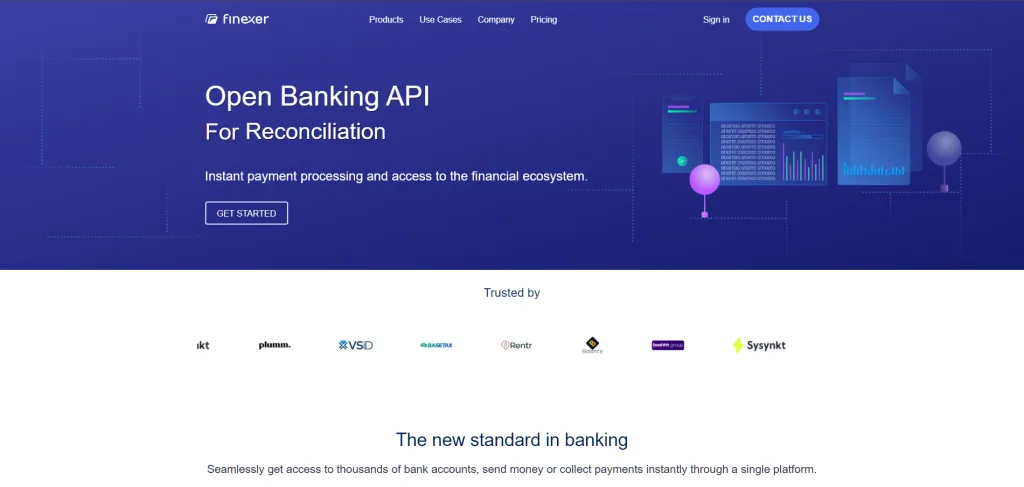
If your business deals with repeated transfer delays, blocked wires, or vague bank support responses, the root cause is usually the same – manual wire transfer friction. Finexer replaces that with Open Banking Faster Payments: bank-authenticated, real-time transfers that settle in seconds.
Here’s how it makes a difference:
- Sends money instantly across all major UK banks
- Confirms the recipient’s account before you send, so there’s no mismatch
- Gives you real-time status updates, no more wondering if it’s stuck
- Reduces payment blocks and flags, even during evenings or weekends
- Shows clear payment records for you and your team to track
UK businesses looking to replace delayed wire transfers can see how instant fund transfers via Faster Payments work, including how Open Banking APIs connect directly to UK bank rails without manual reference steps.
For platforms collecting payments from customers, Pay by Bank removes the manual transfer step entirely – customers authenticate directly in their banking app, eliminating reference errors and payee mismatches at the point of payment.
With Finexer, you don’t have to second-guess where your money is or wait days for it to land. Everything is verified, tracked, and sent in seconds, exactly how a bank transfer should work today.
How long does a bank transfer take in the UK?
Faster Payments take up to 2 hours, Bacs takes 3 working days, and CHAPS settles same day if sent before the bank’s cutoff time, while Open banking transfers in near instant time.
Why is my bank transfer pending?
Transfers may show as pending due to fraud checks, large amounts, new payees, or being sent outside business hours.
What should I do if my bank transfer hasn’t arrived?
Check your bank for status, confirm recipient details, then contact support to request a trace if the payment is delayed.
Can a bank block a transfer without notice?
Yes. UK banks may hold or block payments during internal reviews without notifying you immediately.
Tired of waiting on blocked or delayed bank transfers?
With Finexer, you can send payments in seconds!
About the Author

Ravi Ranjan
Ravi Ranjan is Co founder & CEO of Finexer