Tag: Finexer
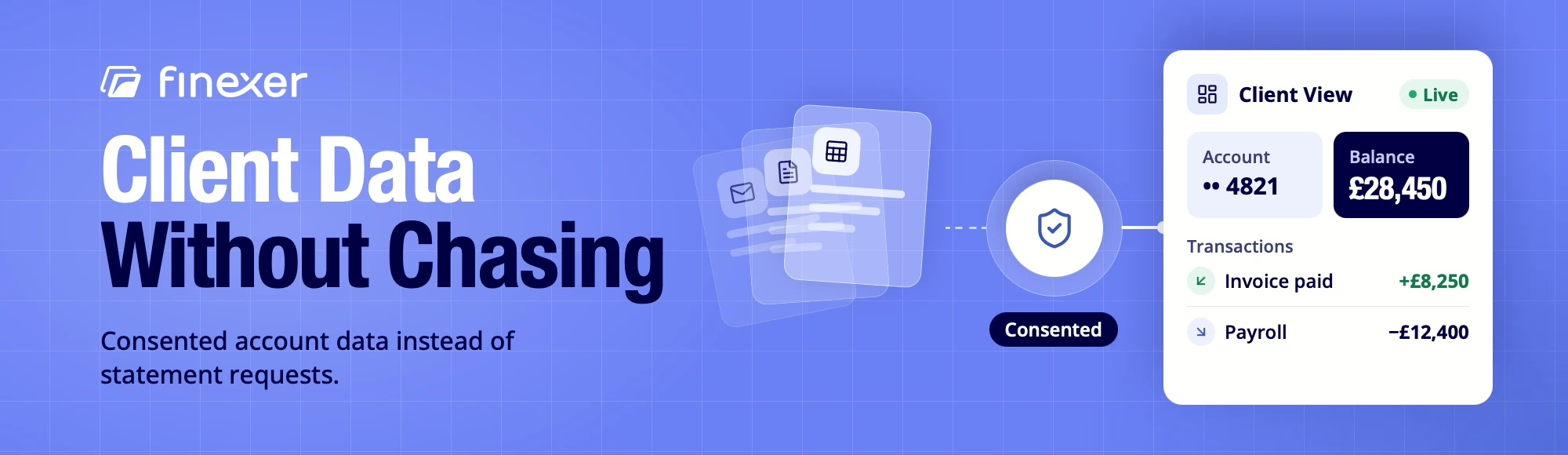
Financial Advisory Services: Client Data Without Chasing
Financial advisory services firms need a current client financial picture without repeated statement requests. This guide shows how consented account access can replace document chasing, support corporate financial advisory services across multiple accounts and give platforms a stronger foundation for Open Banking financial services while keeping data quality, consent, coverage and regulatory requirements in view.
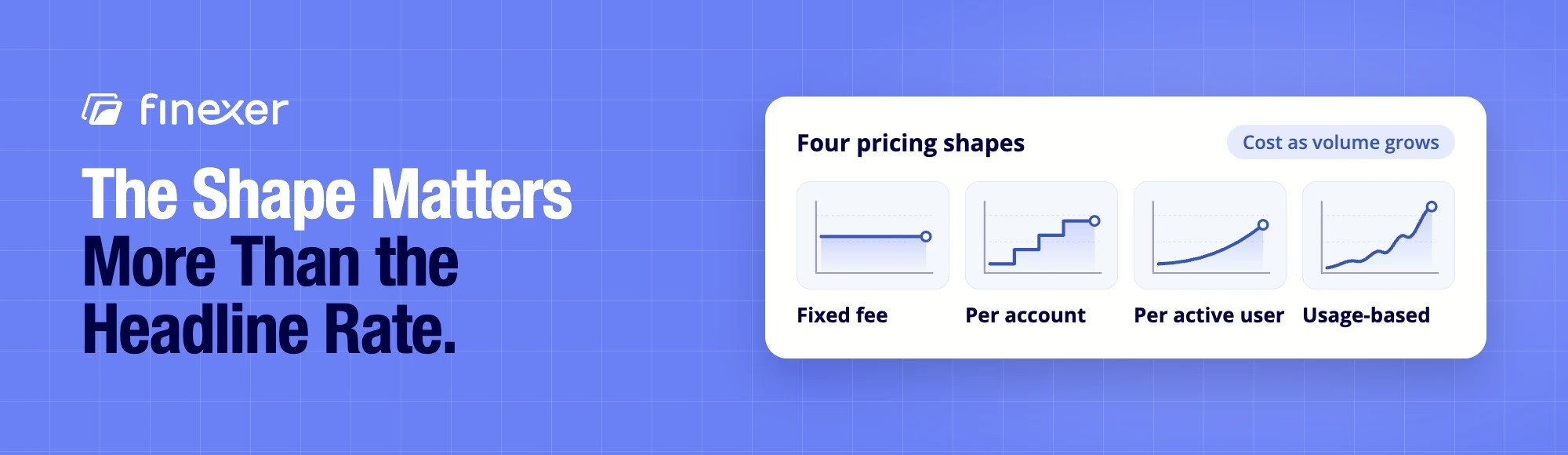
What pricing models do UK Open Banking providers use?
UK Open Banking providers use four pricing models: flat monthly fee, per connected account, per active user, or usage-based. Open banking pricing models differ in how they scale with volume, not what they claim to include. Here’s how to work out which structure actually fits your business.
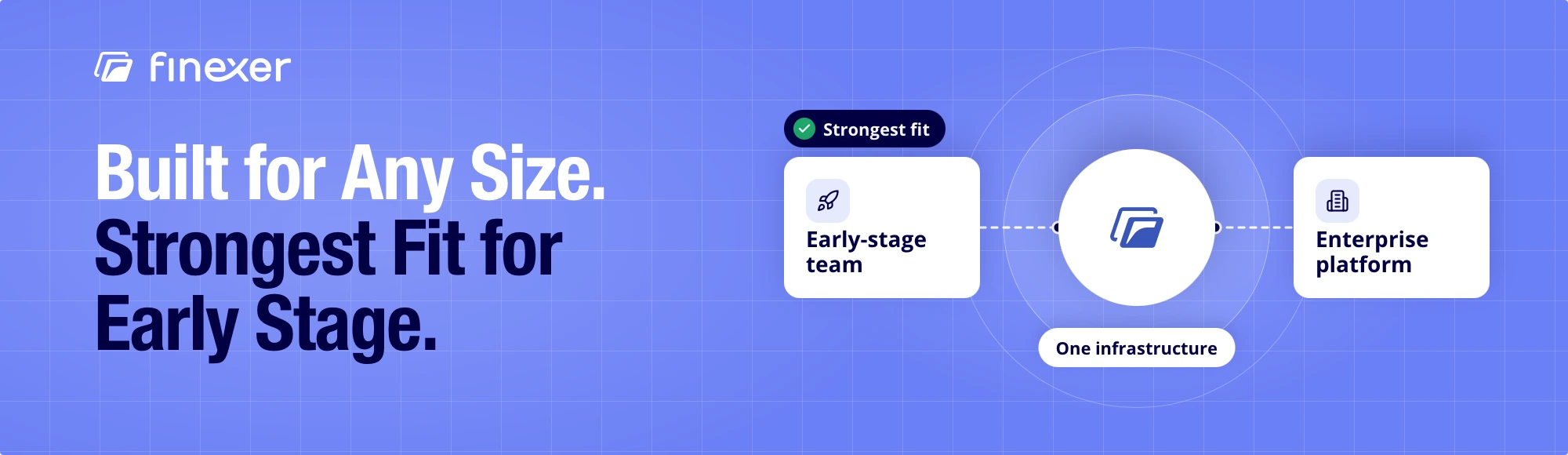
Is Finexer suitable for a startup or only enterprise?
Finexer for startups means an agent route, sandbox access before contract, hands-on onboarding, and transparent pricing with no hidden charges. Built to work at enterprise scale too, here’s what a startup actually gets, what Finexer doesn’t do, and who it suits less well.
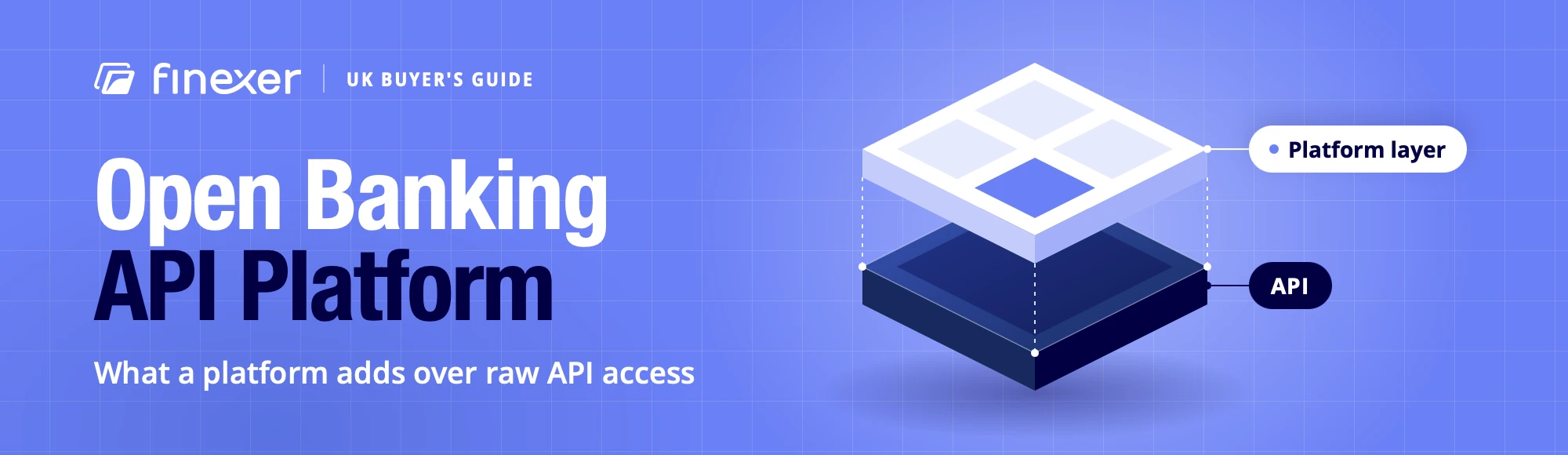
Open Banking API Platform: Complete UK Buyer’s Guide
An open banking API platform bundles the API with consent management, connection monitoring, dashboard visibility and support, the operational layer raw API access doesn’t include. This guide covers what a platform actually adds, who needs one versus who’s fine with an API alone, and how to verify a provider’s FCA authorisation before choosing.
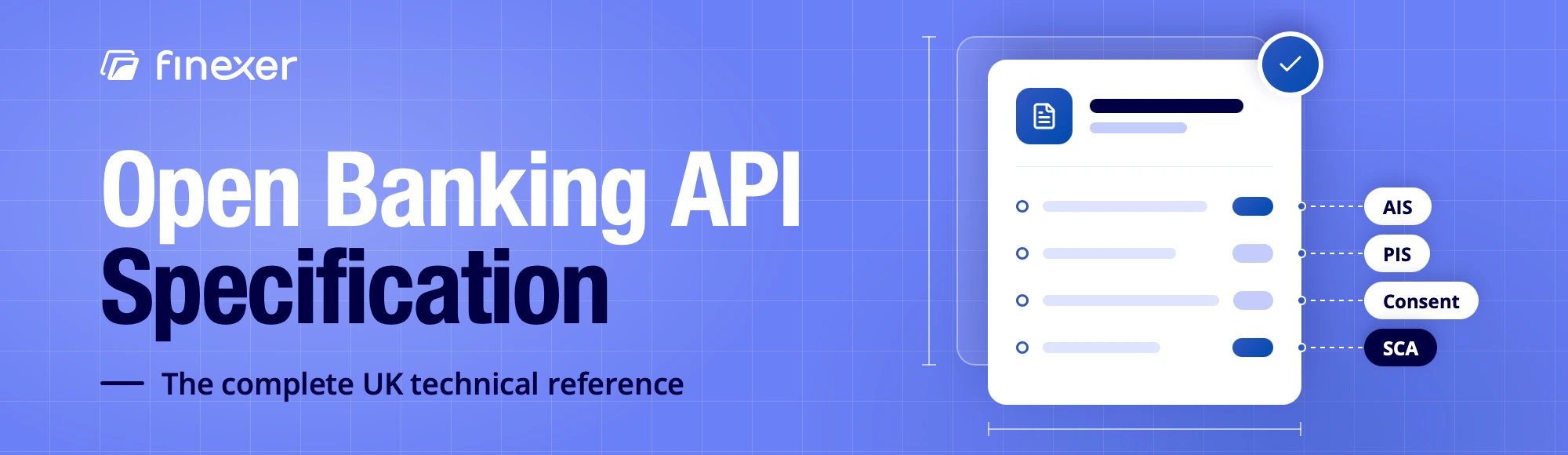
Open Banking API Specification: Complete UK Reference
The open banking API specification gives build teams a consistent contract across every UK bank. This reference covers AIS and PIS endpoint structure, consent model fields, SCA requirements, the PSD2-to-specification mapping, and versioning, so architects and compliance engineers have the detail needed before integration begins.
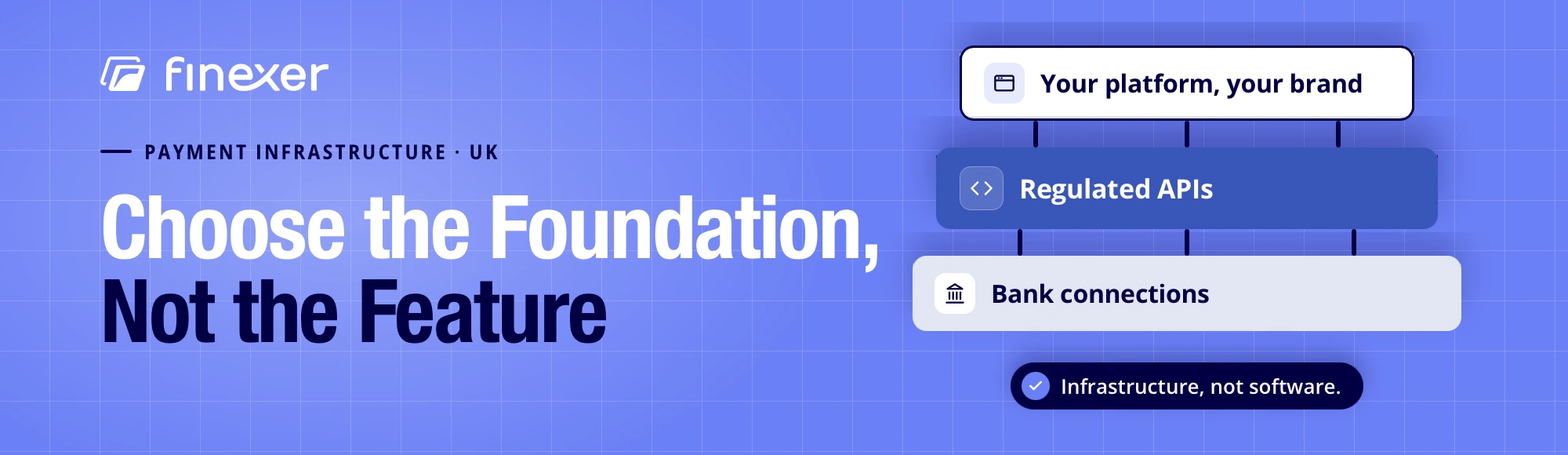
Payment Infrastructure Providers: Top UK Picks Compared
Choosing payment infrastructure providers is a foundation decision, not a feature decision. This guide distinguishes infrastructure from software, maps the four provider categories UK platforms evaluate, sets out the criteria that matter for this buying decision, and compares the recognisable UK-operating names so platform builders can shortlist with confidence.
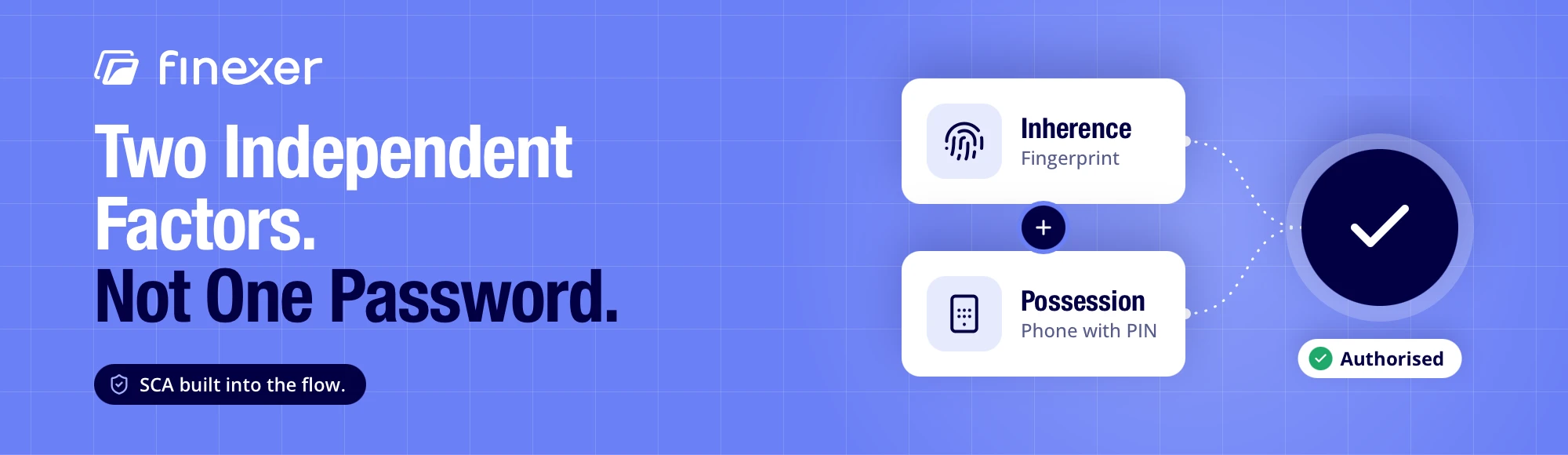
SCA Regulation UK: Complete Guide to Strong Auth
SCA regulation requires two independent identity factors before most payments are authorised. This guide explains the three factor categories, what the exemption categories cover without assuming specific thresholds, why open banking payments satisfy SCA natively, and what platforms must actually do to handle authorisation and failed attempts properly.
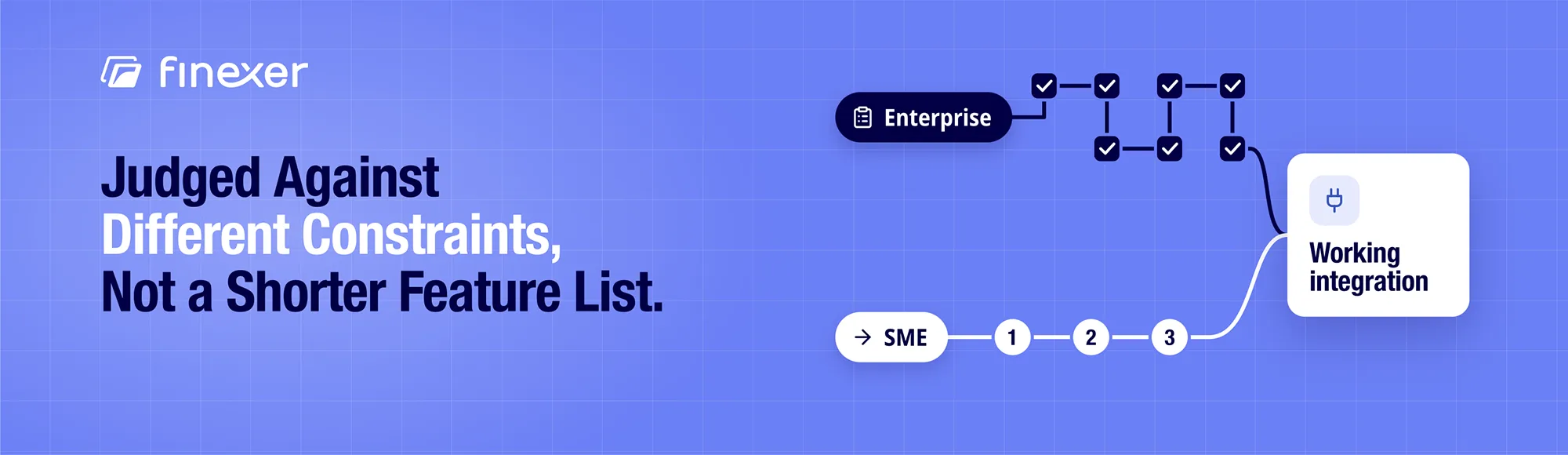
What are the top Open Banking platforms for UK SMEs ?
SME buyers need: no long procurement cycles, sandbox access before contract, agent licensing to avoid FCA burden, dedicated support within a week. Discover which open banking platforms for SMEs skip lengthy sales cycles and friction. Learn why agent-route providers matter for teams. Find out what SMEs shouldn’t compromise on: FCA authorisation and account type coverage.
Open Banking API List: Top UK Providers Compared
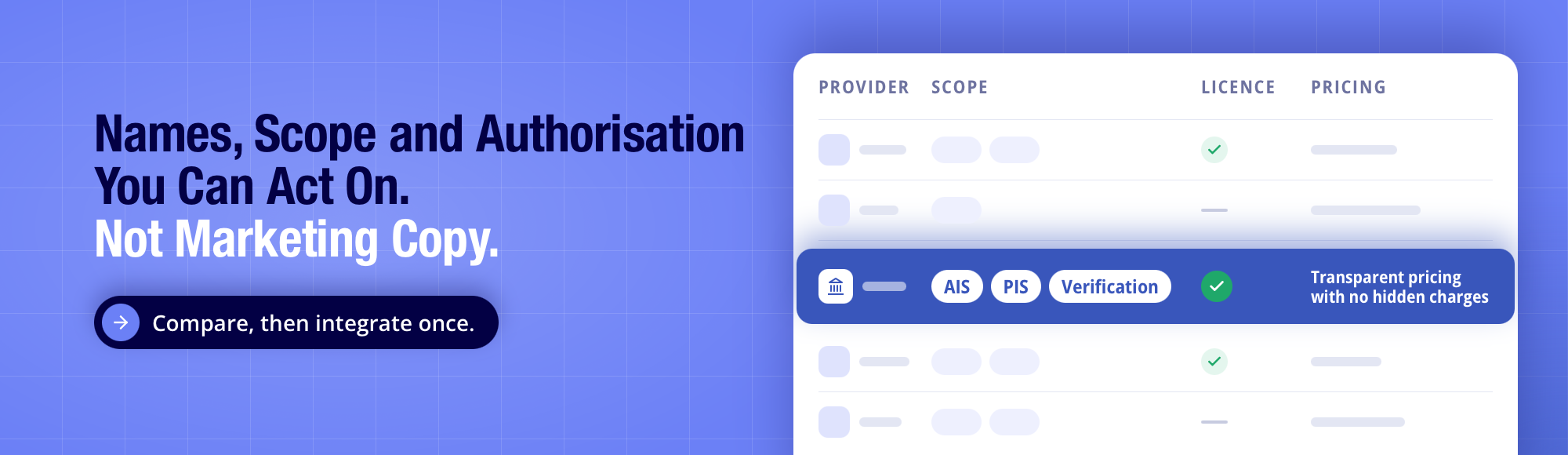
This open banking API list compares UK and UK-operating providers on what actually matters: API scope, FCA authorisation, bank coverage and pricing model, not brand recognition. TrueLayer, Yapily, Tink, Plaid and Finexer are compared directly in one table, with guidance on how to read it before you shortlist a provider.
What is transaction enrichment and why does it matter?
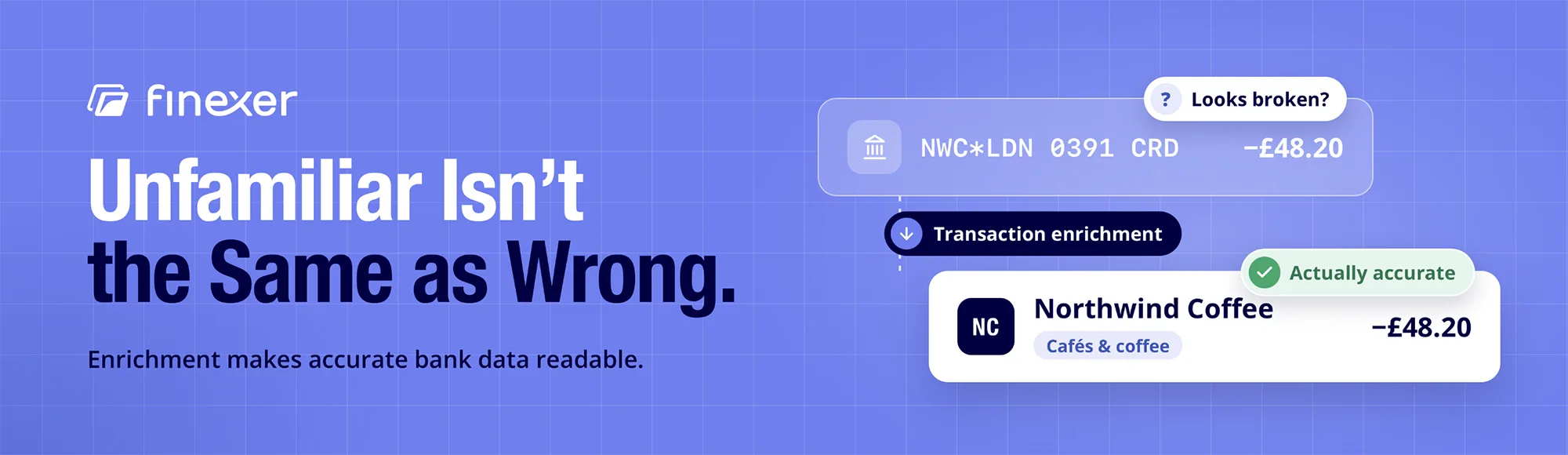
What is transaction enrichment? It turns standard Open Banking transaction descriptions into recognisable merchant names and useful categories. Learn why transaction enrichment matters for customer-facing banking data, reconciliation, reporting and product experiences, plus how Finexer adds merchant identification and categorisation through its Enrichment product for platforms building financial applications across accounting, ERP and fintech products.
Banking statement API data: What actually returned ?
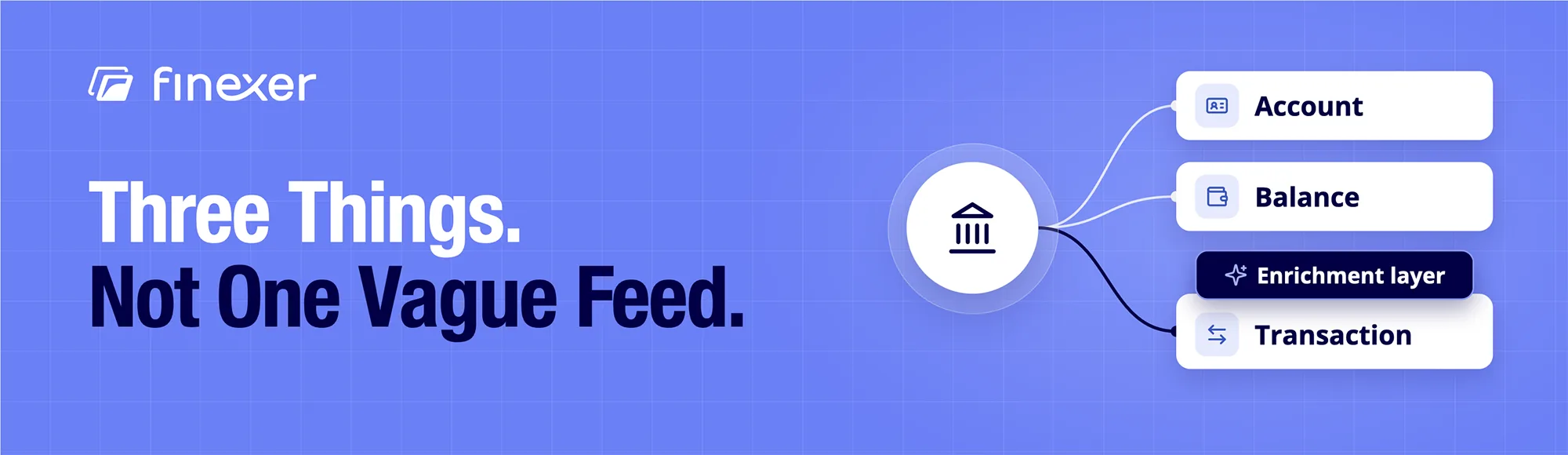
Banking statement api data is not one single thing. A UK Open Banking connection returns account data, balance data and transaction data, structured through the same consented request rather than parsed from a document. This article covers what each type actually contains and what a platform can build once a document is no longer needed.
Which Open Banking APIs are easiest to integrate for a small dev team?
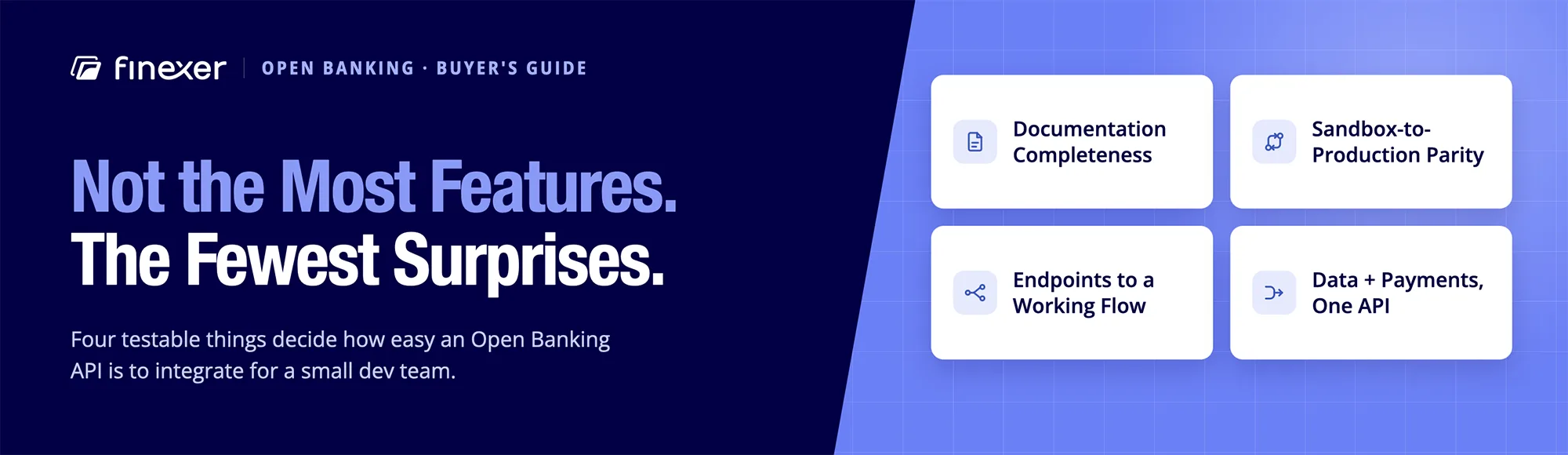
Ease of integration comes down to four testable things: documentation, sandbox parity, endpoint count, and whether data and payments sit in one API. Here’s a practical framework for evaluating the easiest open banking api for a small dev team, before committing build time.
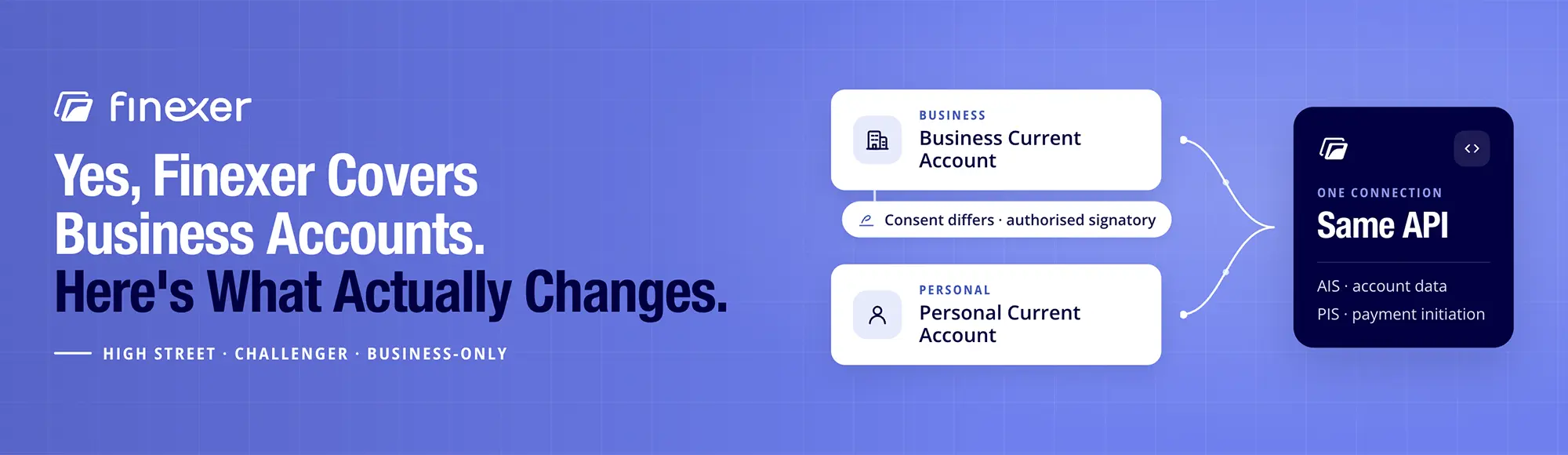
Does Finexer cover UK business and challenger accounts?
Yes, business bank account open banking through Finexer covers business current accounts across high street, challenger, and business-only providers. Here’s what differs from personal accounts: signatory consent, multi-user structures, and mandate rules, plus the exact account types covered and 2026 usage data.
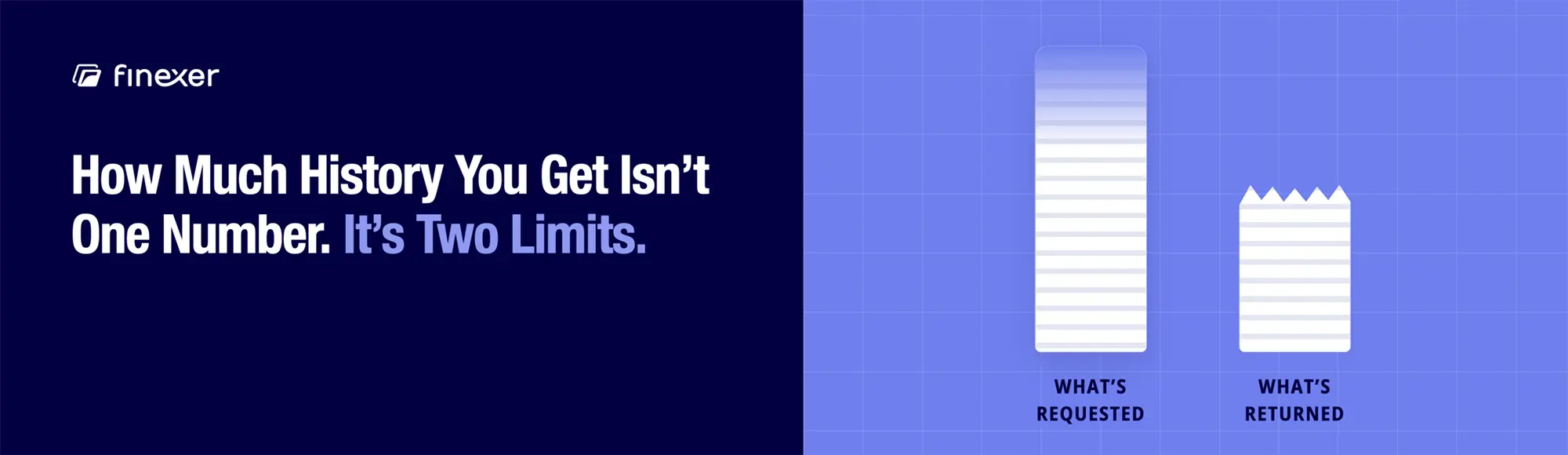
How much transaction history can Open Banking return in the UK?
Open Banking transaction history varies by bank. Learn how provider requests, bank support and consent timing affect historical data.
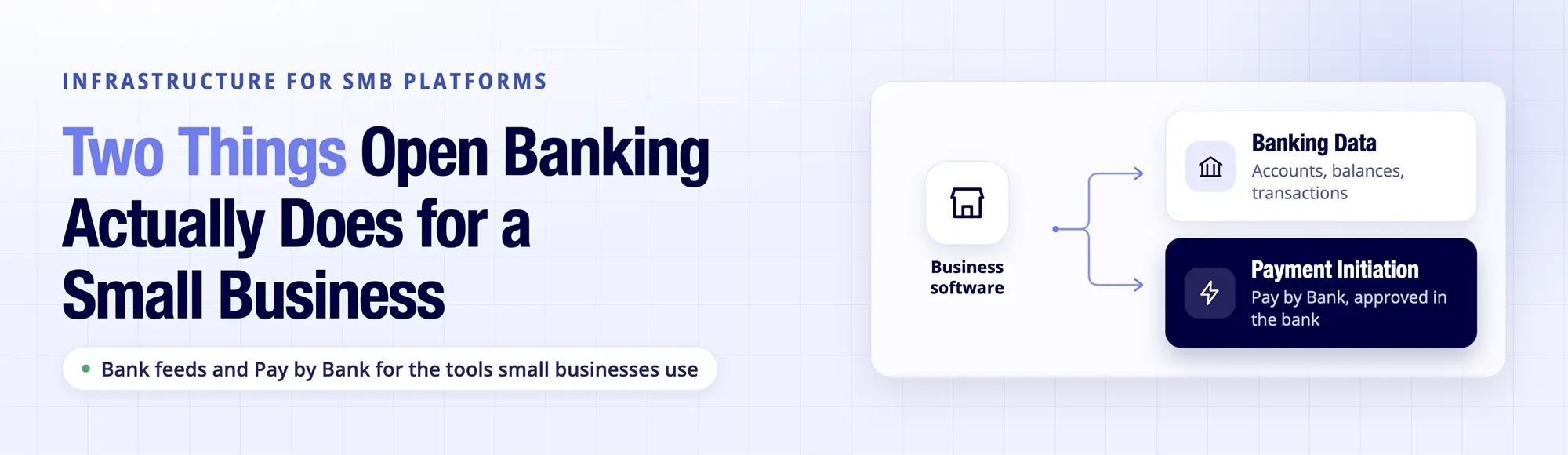
Open Banking for Small Businesses: A Practical UK Guide
Open banking for small business gives smaller firms access to banking data and account-to-account payments through regulated providers. This guide explains small business payment processing, Pay by Bank, reconciliation, cash visibility and open banking payment initiation, including what businesses need to get started and where platform providers such as Finexer fit into the picture.

EPOS Systems UK: 7 Things to Check Before You Buy
Comparing EPOS systems means looking beyond tills and software. This UK guide compares EPOS systems UK buyers consider, from retail to hospitality, then examines EPOS system benefits, payment costs, settlement and reconciliation. It also shows where UK Open Banking and Pay by Bank fit, without confusing payment infrastructure with the EPOS itself when choosing today.

Instant Bank Account Verification: What “Instant” Actually Has to Mean
Instant bank account verification checks a name against the bank record inside the user journey and not in a document review queue. This guide covers what instant bank verification means in practice, where document-based checks lose people along the way and what edge cases, close matches, trading names and joint accounts for which an implementation…

Open Banking APIs: UK Standards and Specs Explained
Two providers connecting to the same bank can behave differently, even though both follow open banking api standards. This guide explains what the UK Open Banking Standard actually mandates, what is left to each provider’s implementation, and how to read API documentation against the spec before you commit to an integration.

Open Banking Payments: A Guide for UK Businesses
Open banking payments move money directly between bank accounts, authorised by the customer and settled via Faster Payments. This guide explains how they work, compares them with cards and Direct Debit, covers variable recurring payments for subscriptions, and outlines what to evaluate before choosing an Open Banking payments provider.

Top 5 Tink Alternatives for UK Businesses in 2026
Searching for Tink alternatives usually starts with a mismatch: you need UK coverage and a fast integration, and an enterprise pan-European platform is more than the job requires. This guide compares five credible options on coverage, deployment speed and bundled capabilities, so that you can shortlist the provider that actually fits your product and timeline.

UK Open Banking Security: 5 Myths About Consent
Open banking security is often misunderstood because many businesses still believe outdated myths about consent and data sharing. This guide explains how open banking API security protects financial information, who controls access, and why regulated APIs provide stronger safeguards than older methods used before Open Banking became widely available in the UK.

Open Banking for Businesses: Why UK Companies Are Adopting It Faster Than Ever
Open banking for businesses gives organisations secure access to current banking data, account-to-account payments and faster financial decisions. This guide explains why open banking for small businesses’ adoption continues to grow, what commercial value it delivers and how to evaluate an FCA-authorised provider before selecting Open Banking infrastructure for long-term growth.

Open Banking Ecosystem: Who the Players Actually Are (and How They Work Together)
Understanding the open banking ecosystem begins with knowing who participates, why they exist and how data moves securely between them. This guide explains banks, AISPs, PISPs, regulators and open banking infrastructure using practical examples, helping buyers understand the UK’s Open Banking landscape without needing multiple resources or technical documentation.

Plaid Pricing for UK Startups 2026
Plaid pricing looks straightforward until UK buyers request a quote. Unlike US customers, plaid api pricing and plaid pricing UK typically require custom contracts instead of self-serve plans. Learn what drives costs, how enterprise pricing works and what startups should evaluate before beginning an Open Banking procurement process with confidence today.
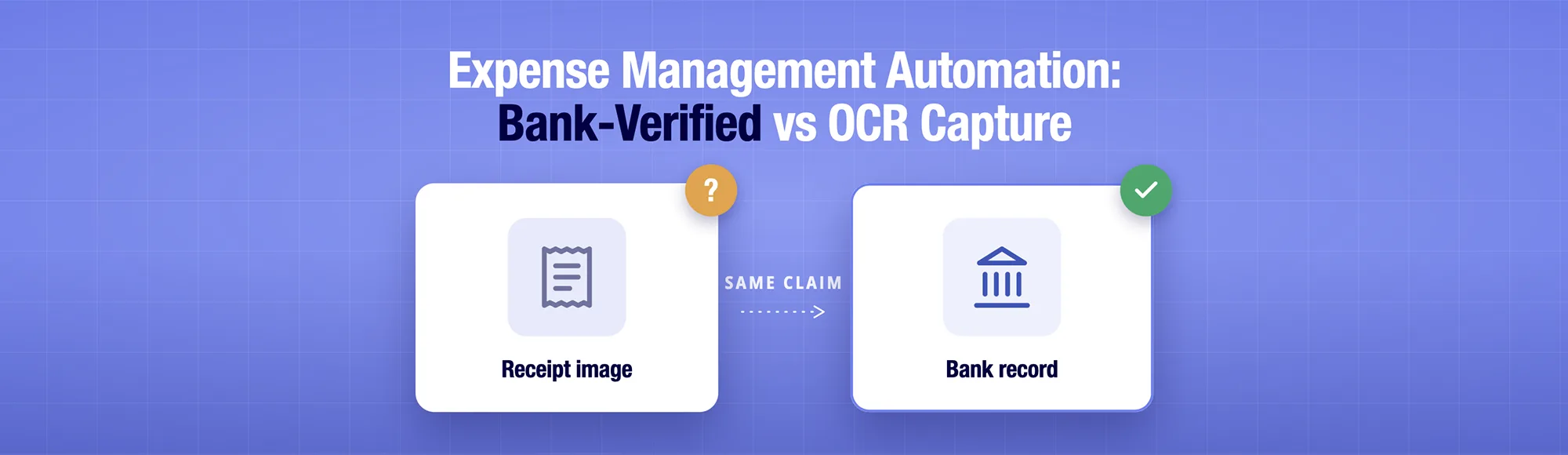
Expense Management Automation: Bank-Verified vs OCR Capture
Expense management automation promised to end month-end receipt chasing, yet OCR capture alone cannot confirm a payment actually happened. This guide compares receipt-only tools with bank-verified matching for UK finance teams, covering real-time policy flagging, GL-code auto-categorisation and continuous corporate card reconciliation, plus a practical shortlist of questions to ask before choosing your next platform
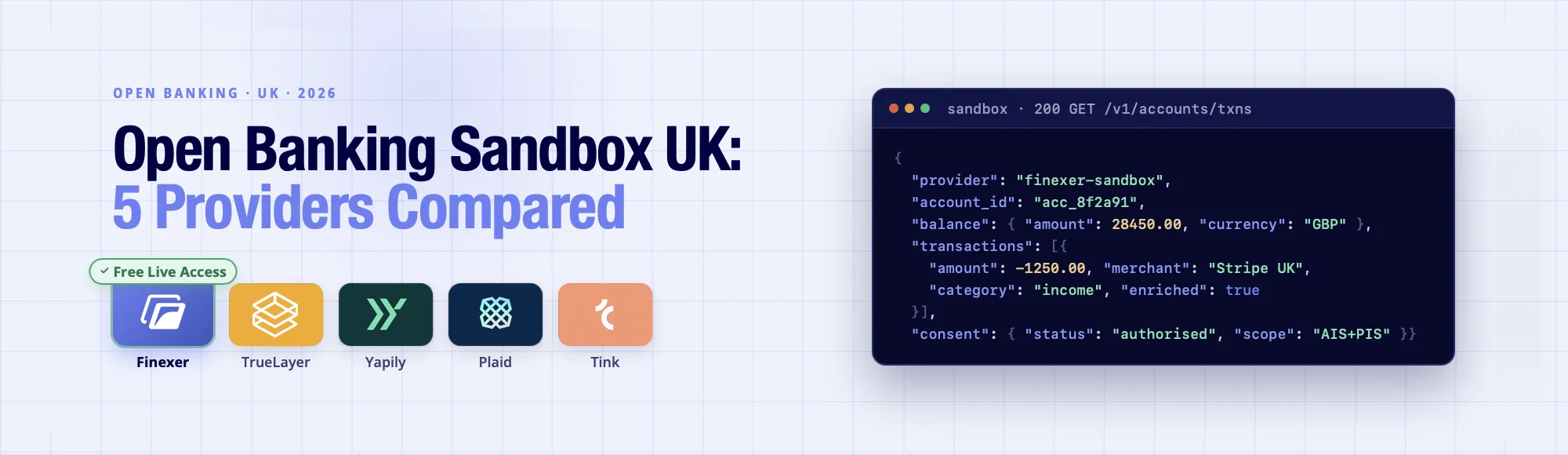
Open Banking Sandbox UK: Finexer vs TrueLayer vs Yapily vs Plaid vs Tink Compared
Most open banking sandboxes look identical until you try to go live. Some providers offer free signup and instant access. Others route every enquiry through a sales call before testing a single endpoint. This comparison covers five UK open banking sandbox environments on free access, AIS and PIS coverage, bank simulations, and time to live.
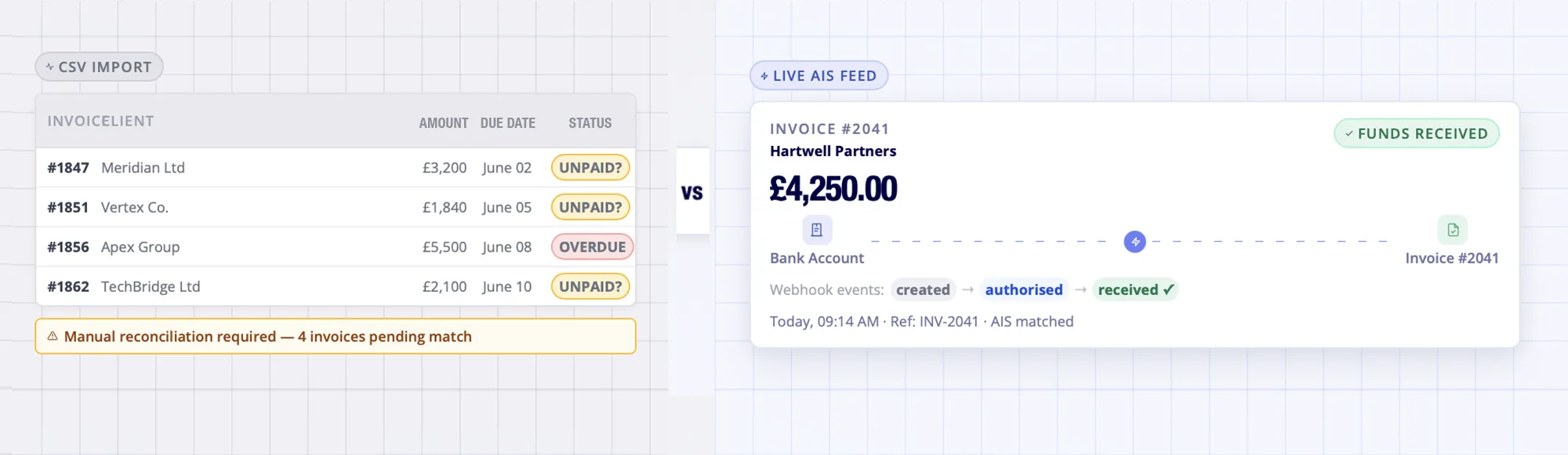
Invoice Tracker UK: Open Banking Invoice Reconciliation
Finexer’s invoice tracker UK connects invoice records with live Open Banking bank data, Pay by Bank initiation and per-event webhooks from request to bank-matched confirmation. Platforms building invoice tracking as a product feature use the Finexer Invoice Reconciliation Tracker as the regulated bank data and payment layer. The platform owns the workflow. Finexer provides connectivity.

How to Fix Data Inconsistencies in Simply Accounting for Good
How to fix data inconsistencies in Simply Accounting is a question most finance teams answer with a repair tool. The inconsistency clears. It returns three weeks later. The repair addressed the symptom – not the import workflow that created it. What is breaking upstream and what changes the pattern permanently is what this blog examines.

Payment Gateway vs PSP vs Payment Processor: What UK Businesses Actually Need to Know
Most businesses asking about payment gateways are really asking one question: which do I actually need? This guide explains what a payment gateway does, how it differs from a PSP and payment processor, and when the payment gateway vs PSP debate matters less than you think because Open Banking changes the decision for UK platforms.
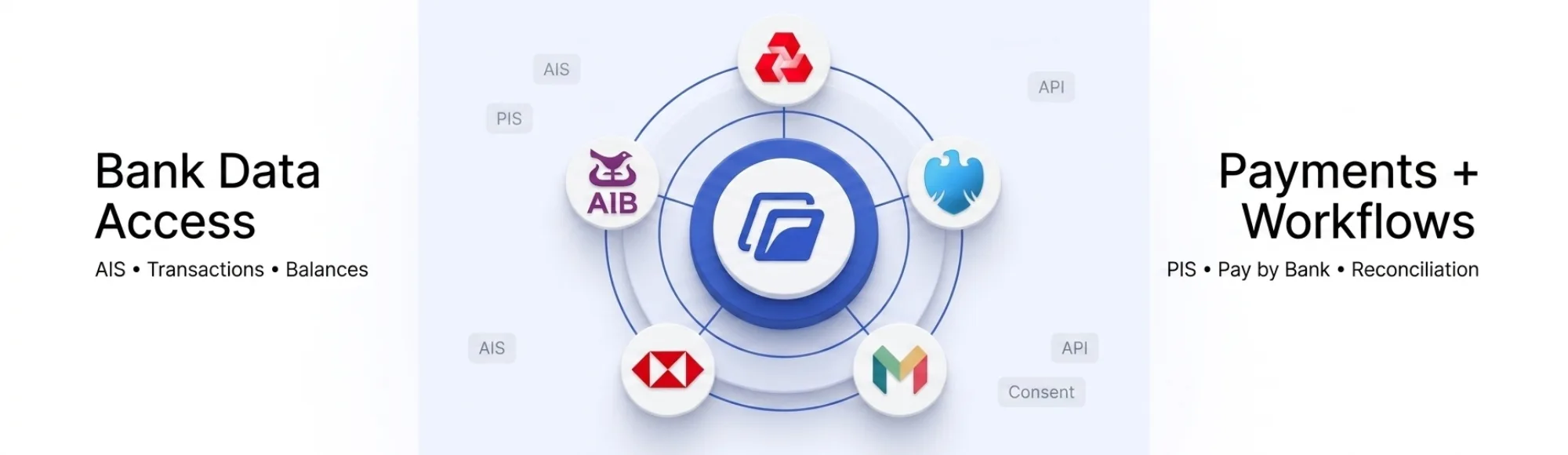
Finexer Open Banking: Infrastructure for Reliable Financial Workflows
UK-only. FCA-authorised. Bank data and payments in one integration. Open Banking infrastructure for accounting, Lawtech, EPOS, and billing platforms. Contact Now Finexer Open Banking provides API-based access to bank transaction data and payment initiation through Open Banking infrastructure. It enables platforms to retrieve structured financial data, initiate account-to-account payments, and build reliable financial workflows using…