Category: RegTech
Money Laundering Checks: What UK Businesses and Property Buyers Need to Know
Money laundering checks help regulated firms in identifying customers, understanding where money comes from and assessing risk. This guide spells out anti-money laundering checks, including identity, address, source of funds and source of wealth checks, plus anti-money laundering checks when buying a house, and shows where banking data can support evidence collection during customer reviews.
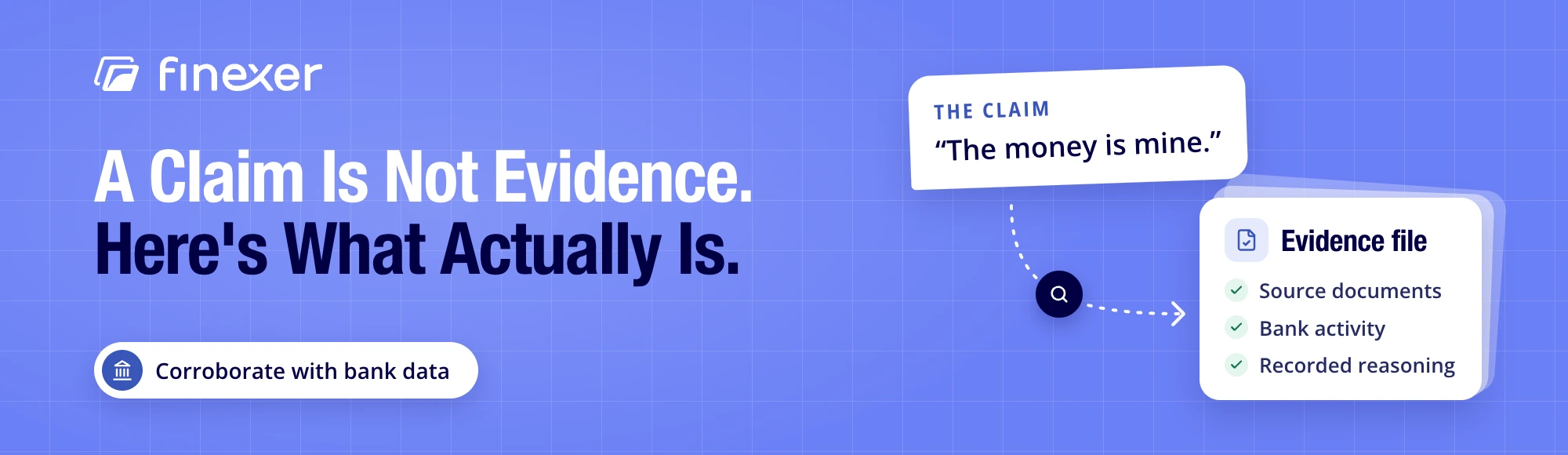
Source of Wealth Examples: What Evidence Should Firms Accept?
Source of wealth examples show how clients built overall wealth, while examples of source of wealth evidence link each claim to documents. Source of wealth and source of funds examples then separate wider wealth from transaction money, helping law firms, accountants, estate agents and financial services teams assess evidence and record reasoning carefully and consistently.
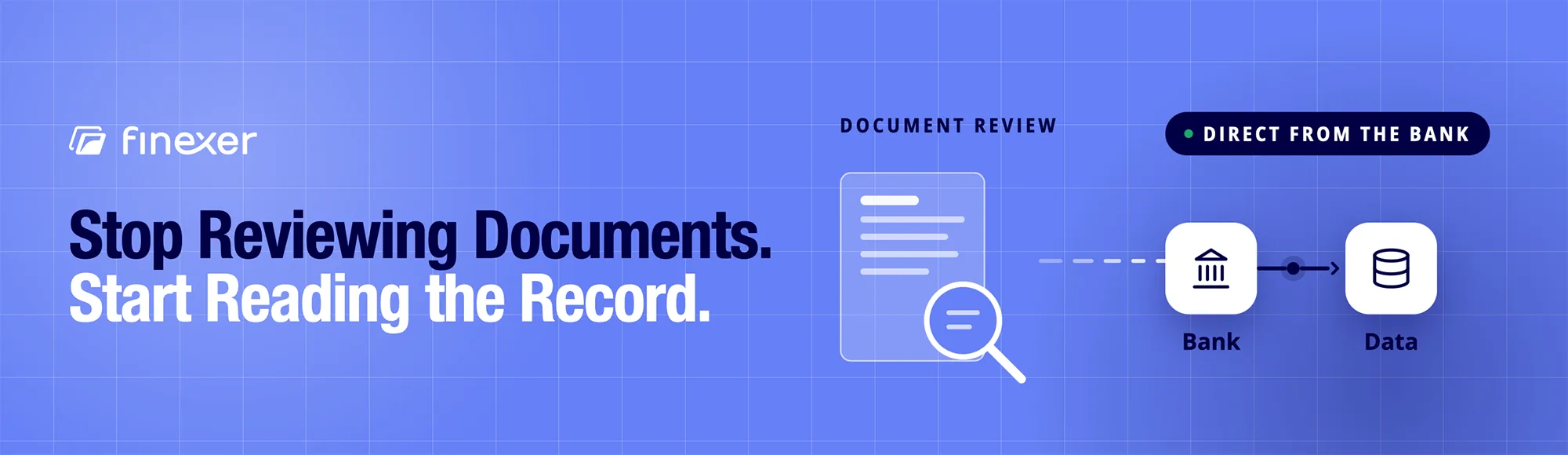
How Do You Detect Fake or Edited Bank Statements?
Fake bank statement detection by eye catches only obvious cases: mismatched fonts, totals that visibly do not add up correctly. A competent edit passes most manual checks without much trouble. This article covers what manual review actually catches, why a document is structurally weak, and what changes once data comes straight from the bank instead.
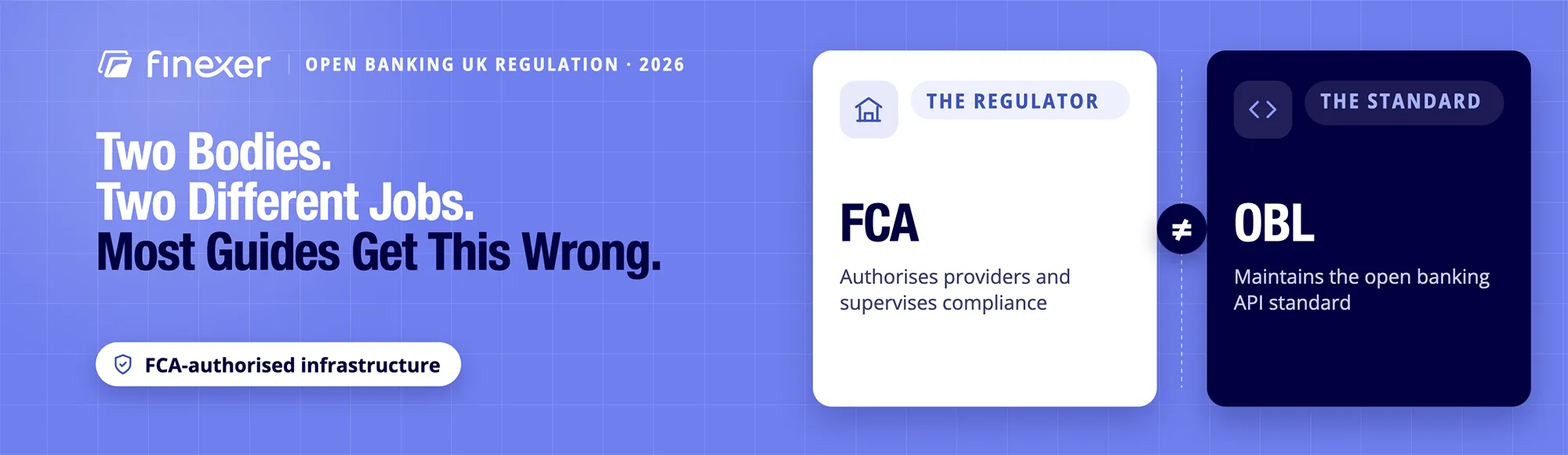
Open Banking UK Regulation: Essential 2026 Guide
Open banking UK regulation divides responsibility between the FCA and Open Banking Limited, with PSD2 as its legal foundation. This guide explains authorisation, AISP and PISP status, the 2026 regulatory changes, and what compliance leads and product managers should verify before building on an open banking provider.

Proof of Banking Details: What Actually Counts, and What Doesn’t
Proof of banking details usually means a document or verified check confirming an account name, sort code, and account number belong to the named person or business. This guide covers what is proof of bank statement, what firms commonly accept and reject, and the alternative of verifying an account name directly against the bank record.

Screen Scraping: Why UK Firms Must Move to APIs
Screen scraping is under direct pressure after HMRC’s 2026 policy update reaffirmed that browser automation and robotic process automation breach Government Gateway terms. This guide explains what screen scraping is, what HMRC actually said, why regulated APIs already replaced it in banking, and what accounting platforms should audit in their stack now.

Open Banking APIs: UK Standards and Specs Explained
Two providers connecting to the same bank can behave differently, even though both follow open banking api standards. This guide explains what the UK Open Banking Standard actually mandates, what is left to each provider’s implementation, and how to read API documentation against the spec before you commit to an integration.

Open Banking Data Sharing: How Secure Consent Works
Open banking data sharing lets customers grant regulated third parties read access to specific bank data, for a defined period, without ever sharing login credentials. This guide walks through the consent journey step by step, what permissions actually mean, and the privacy protections built into the model by design.

Account Holder Name Check: How UK Verification Actually Works
An account holder name check confirms whose name actually sits on a bank account before you pay it. This guide explains how to check bank account holder name details against the bank record, what full match, close match, and no match mean, and where bank account verification belongs in an individual or business payment process.

Invoice Bank Details: What to Include and How to Verify Them Before You Pay
Invoice bank details determine whether a payment reaches the right supplier or a fraudster. This guide covers what invoice details belong on a UK invoice, why invoice with bank details on a document you receive can be altered, and how UK finance teams verify the account name before releasing any payment, cutting redirection fraud risk.

Transaction Monitoring Process UK: What the Law Requires
Most guides to the transaction monitoring process jump straight to software. This one starts where your obligations actually start: the regulatory text itself. In plain, practical terms, it covers exactly what MLR 2017 and POCA 2002 require, what triggers a SAR, how often monitoring should run, and the documentation HMRC expects to see on file.

AISP Meaning: AISP vs PISP vs ASPSP Explained (UK)
AISP, PISP, ASPSP and TPP can look like alphabet soup, but the ideas behind them are genuinely simple. This plain-English guide explains what an AISP does, how it differs from a PISP and an ASPSP, why many providers hold both licences, and how to check any UK provider on the FCA register before you integrate.

Transaction Monitoring Solutions: Scored Evaluation (UK)
Most transaction monitoring solutions fail because of alert fatigue, not missing features. This guide scores vendors on data quality, lookback depth, alert configurability, and audit trails, helping UK compliance teams compare solutions using practical evaluation criteria and choose one that reduces false positives instead of creating more unnecessary alerts.

Bank Account Verification in the UK: How to Confirm Customer Details Instantly (Without Manual Checks)
A misdirected payment doesn’t announce itself, it just leaves quietly into an account that looks legitimate until it’s gone. This guide compares bank account verification methods pitted head to head: micro-deposits, Confirmation of Payee and instant bank account verification via Open Banking, so businesses choosing a bank account verification service know which one actually catches…
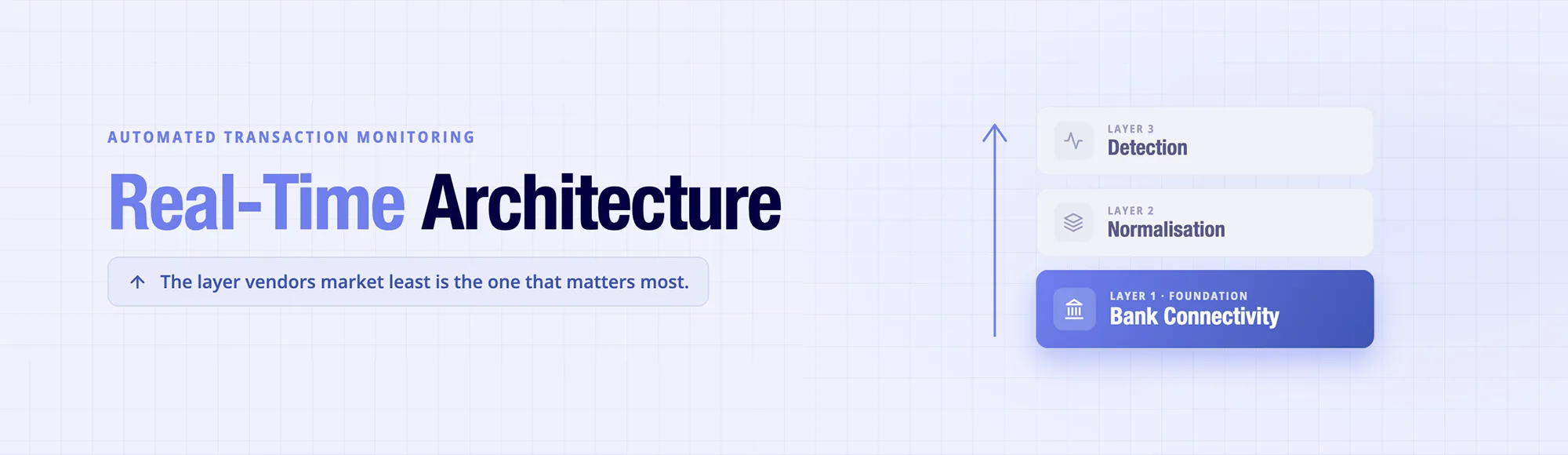
Automated Transaction Monitoring: Real-Time Architecture
Automated transaction monitoring only works if the bank data arriving is complete and current, not a batch file from last night. This guide breaks down the webhook architecture behind real production automated transaction monitoring systems, from payload structure to latency, and why partial bank coverage quietly degrades detection regardless of how sophisticated the monitoring logic…
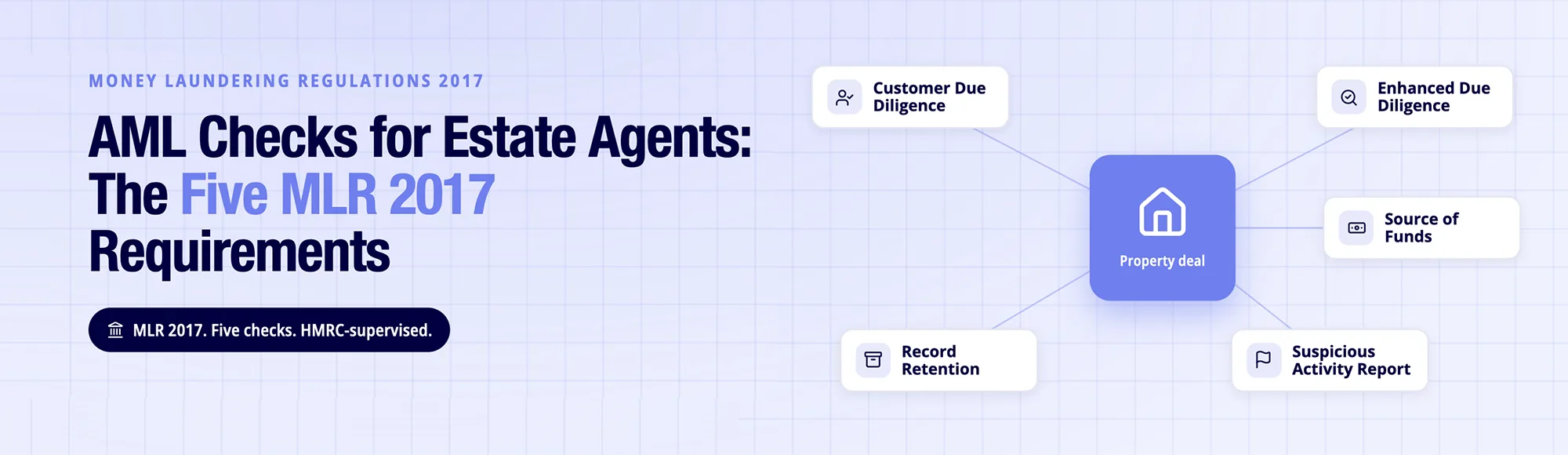
AML Checks for Estate Agents: MLR 2017 Requirements
AML checks for estate agents are set by MLR 2017: customer due diligence, enhanced due diligence, source of funds and 5-year records, supervised by HMRC. This guide covers the exact triggers, the red flags inspectors expect you to catch, current penalty rounds, and what changes in 2026 for UK property firms.
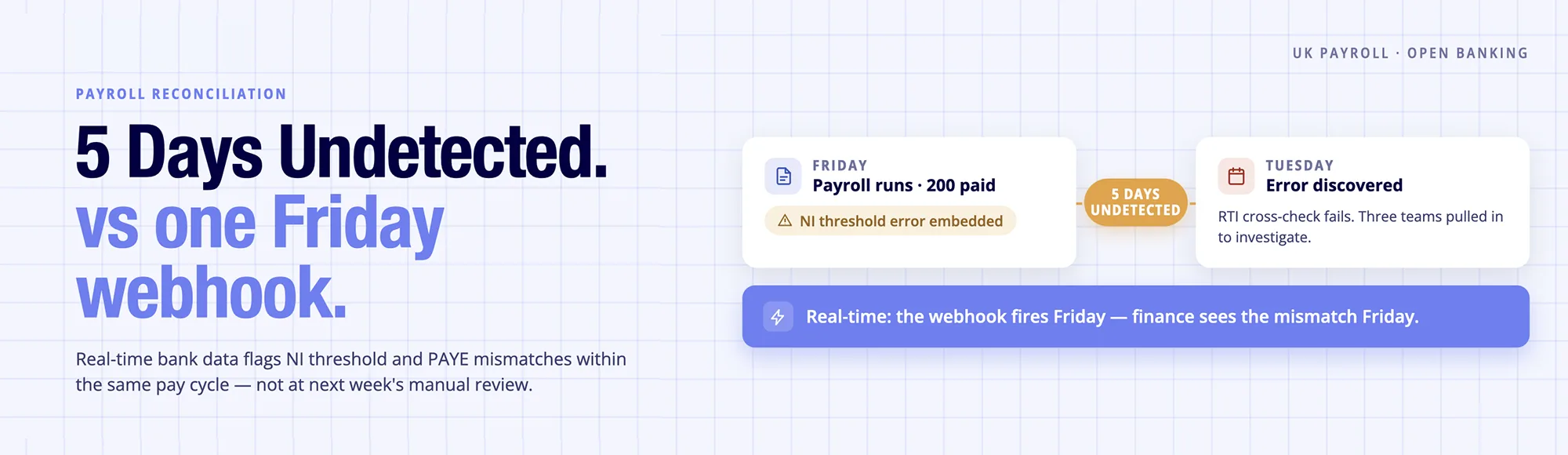
Payroll Reconciliation: Real-Time Bank Data Fixes This
A miscalculated NI threshold sends one employee’s payroll reconciliation into a three-hour manual investigation. This guide walks you through how payroll reconciliation actually breaks, checkpoints to run before, during and after each pay cycle and how real-time bank data helps teams automate payroll payments and confirm PAYE and RTI matches without waiting for next-day bank…
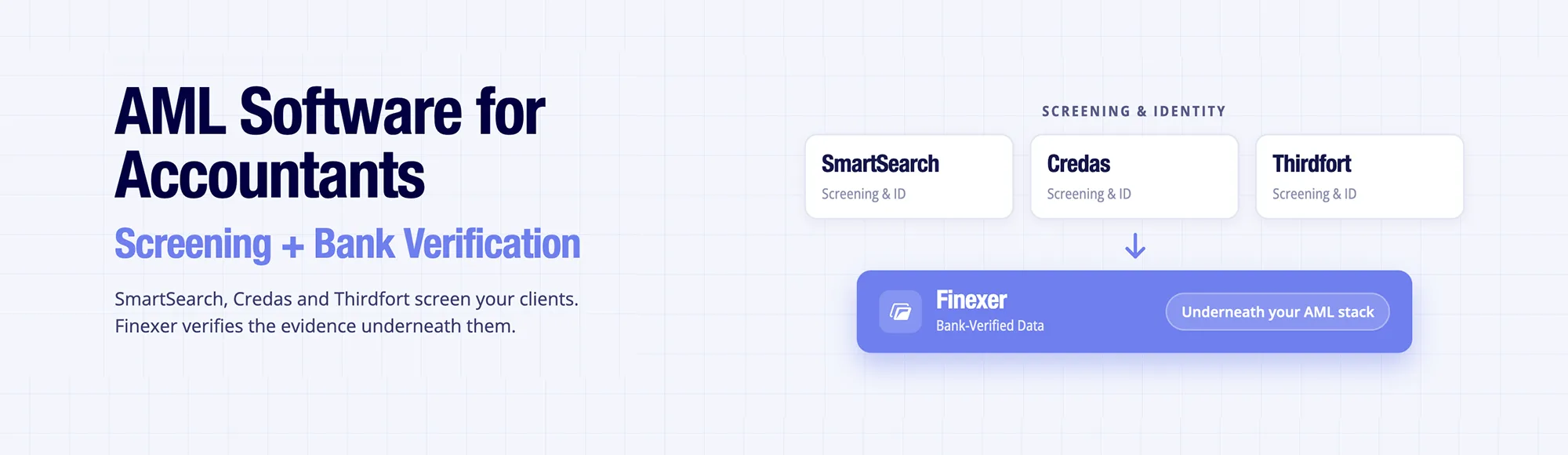
AML Software for Accountants: Transform Compliance with Bank-Verified Data
Choosing AML software for accountants means comparing SmartSearch, Credas and Thirdfort on sanctions and PEP screening, then deciding whether bank-verified data should sit underneath your compliance stack. This guide covers evaluation criteria, a full comparison table, the verification gap most tools leave open, and how Open Banking closes it for UK accounting and bookkeeping firms.

AML Screening and Monitoring: The Real Difference (UK)
AML screening and monitoring get treated as one task, but MLR 2017 requires both as distinct obligations: first, due diligence at onboarding, then continuous transaction monitoring for the life of the relationship. This guide separates the AML screening process from ongoing monitoring and shows where UK platforms most often let the monitoring obligation quietly lapse.
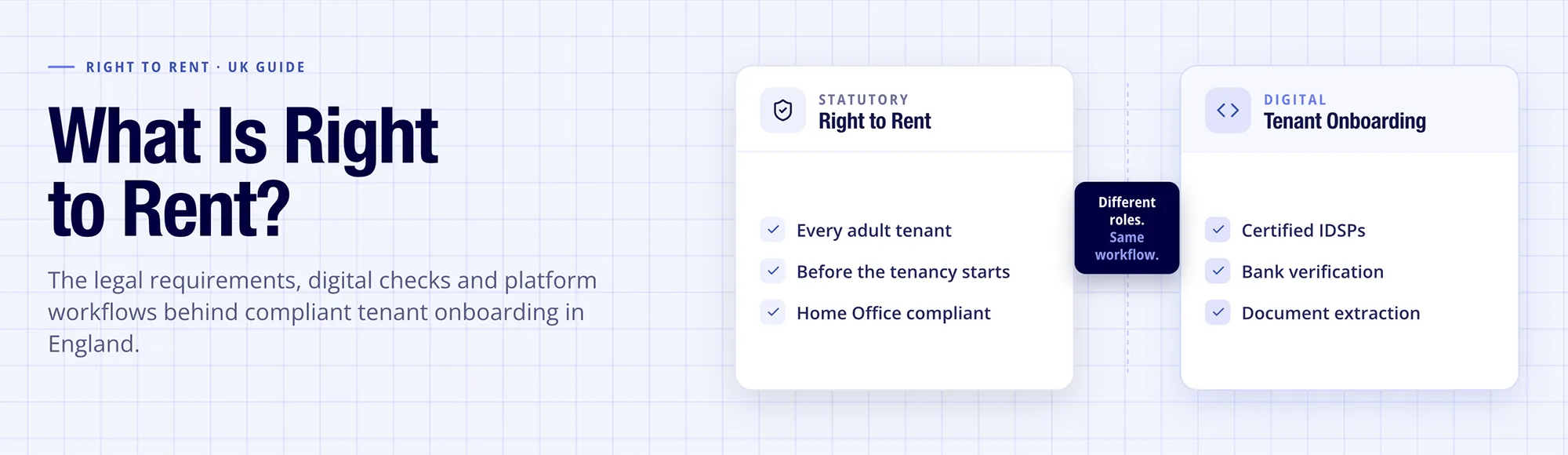
What Is Right to Rent? UK Requirements and Digital Checks
Learn what is right to rent, the legal requirements for landlords in England, and how right to rent checks fit into modern tenant onboarding. Compare certified IDSPs with complementary verification workflows and see where Finexer supports lettings platforms without replacing statutory Right to Rent checks.
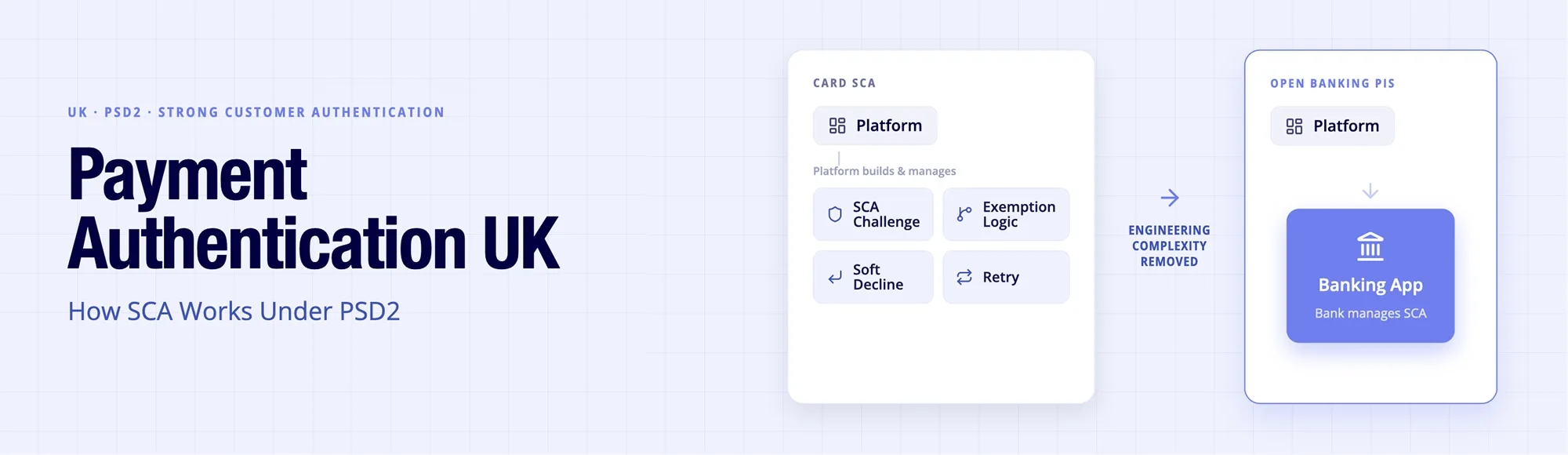
Payment Authentication UK: How SCA Works Under PSD2
Learn how payment authentication works under PSD2, when strong customer authentication (SCA) is required for UK electronic payments, and how card payments differ from Open Banking Pay by Bank. Understand platform responsibilities, SCA exemptions and why bank-managed authentication simplifies Open Banking payment flows.
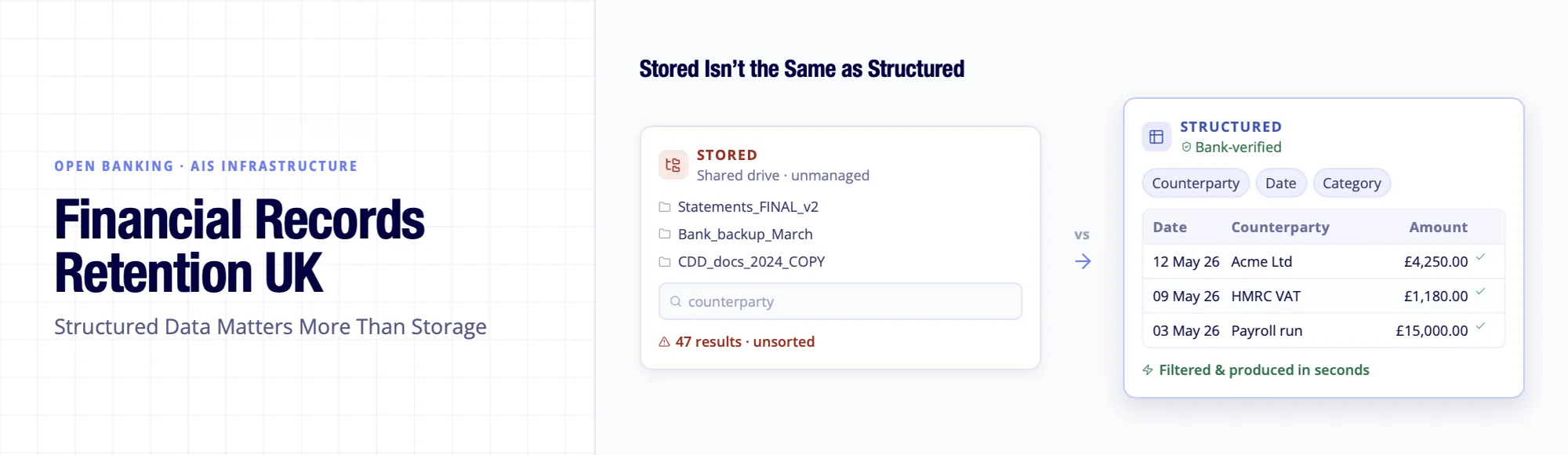
Financial Records Retention UK: Structured Data Over Storage
Financial records retention UK requirements have not changed dramatically in 2026. What has changed is what regulators, auditors, and sanctions investigators actually expect to find when they request evidence. Stored documents are not enough. Structured, accessible, and bank-verifiable transaction data is what regulated platforms need to demonstrate compliance when it is tested rather than assumed.
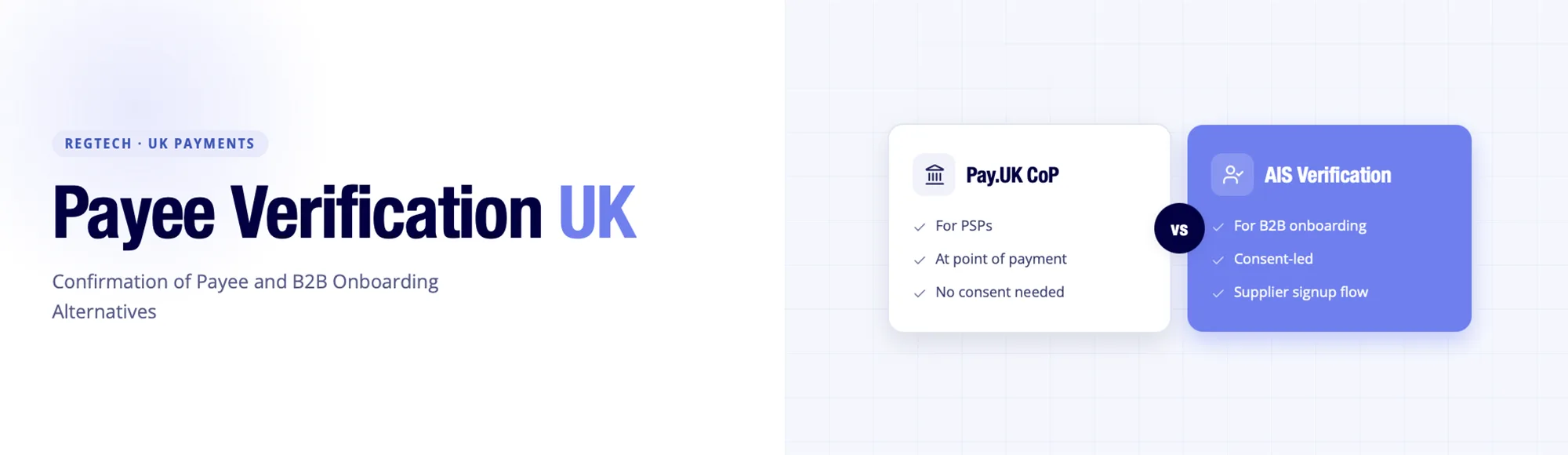
Payee Verification UK: CoP Explained and B2B Alternatives
Payee verification in the UK covers two distinct mechanisms: the regulated Pay.UK Confirmation of Payee scheme for PSPs checking accounts before payment, and AIS-based bank account verification for B2B platforms onboarding suppliers. This guide explains how Confirmation of Payee works, who must comply, who provides it, and where Open Banking verification fits B2B onboarding workflows.
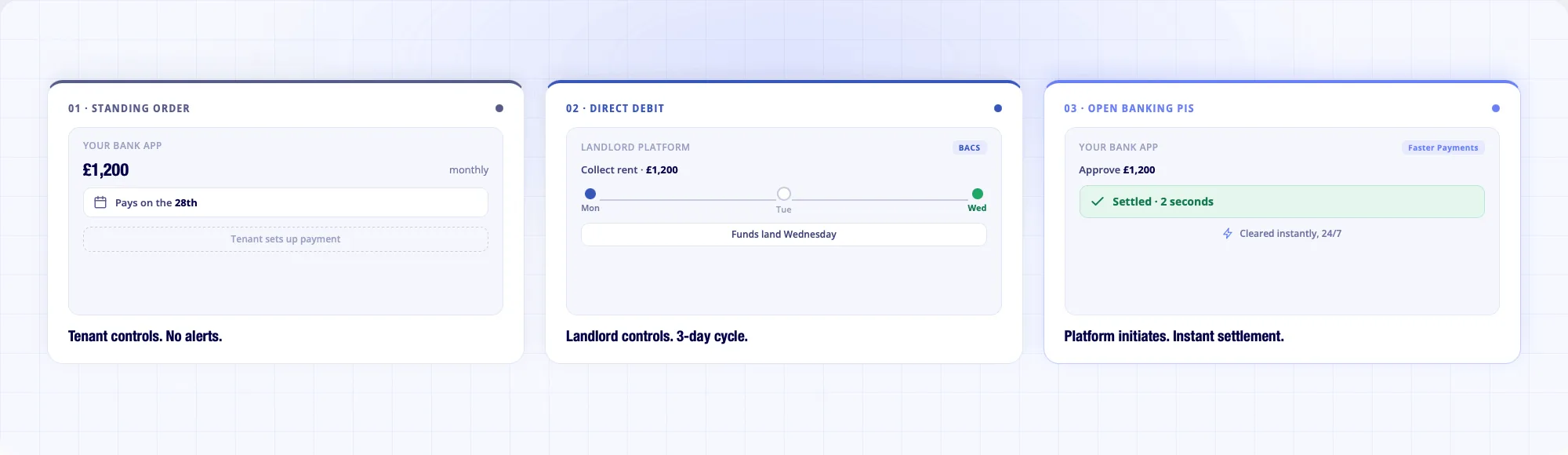
Landlord Rent Collection in the UK: Standing Order vs Direct Debit vs Open Banking Compared
Most UK landlords default to Standing Orders because that is how rent has always been collected. The method is free but gives the landlord no control. Direct Debit adds control, but it also adds fees. Open Banking is the newer option. This blog compares all three landlord rent collection methods on cost, speed, and reconciliation.
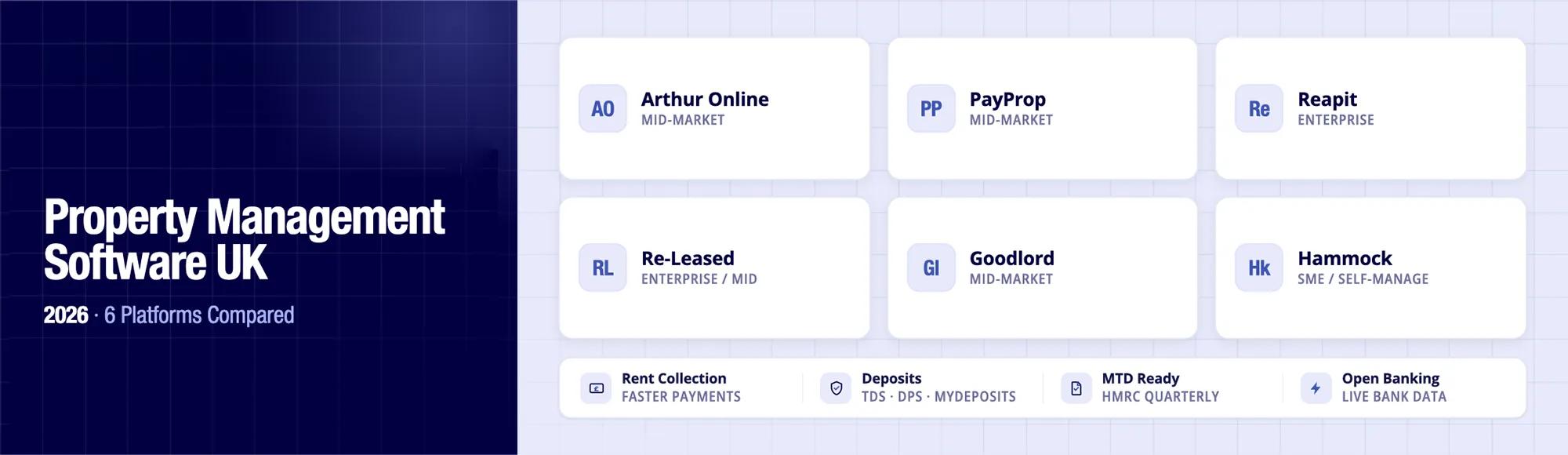
Property Management Software UK 2026: Top 6+ Compared
Property management software UK landlords and letting agents use to run tenancies covers rent collection, deposits, maintenance, accounting and MTD compliance in one platform. This comparison reviews six tools, Arthur Online, PayProp, Reapit, Re-Leased, Goodlord and Hammock, with a decision guide for self-managing landlords, letting agencies and PropTech platform builders evaluating Open Banking payments integration.

Data Security in Financial Services Begins Before the Database
Data security in financial services is not just about where data is stored – it is about how it enters the platform. Manual bank statements introduce fraud risk, integrity gaps, and compliance exposure that encrypted storage cannot fix. This blog covers what secure bank data access requires and how Open Banking APIs change the risk.
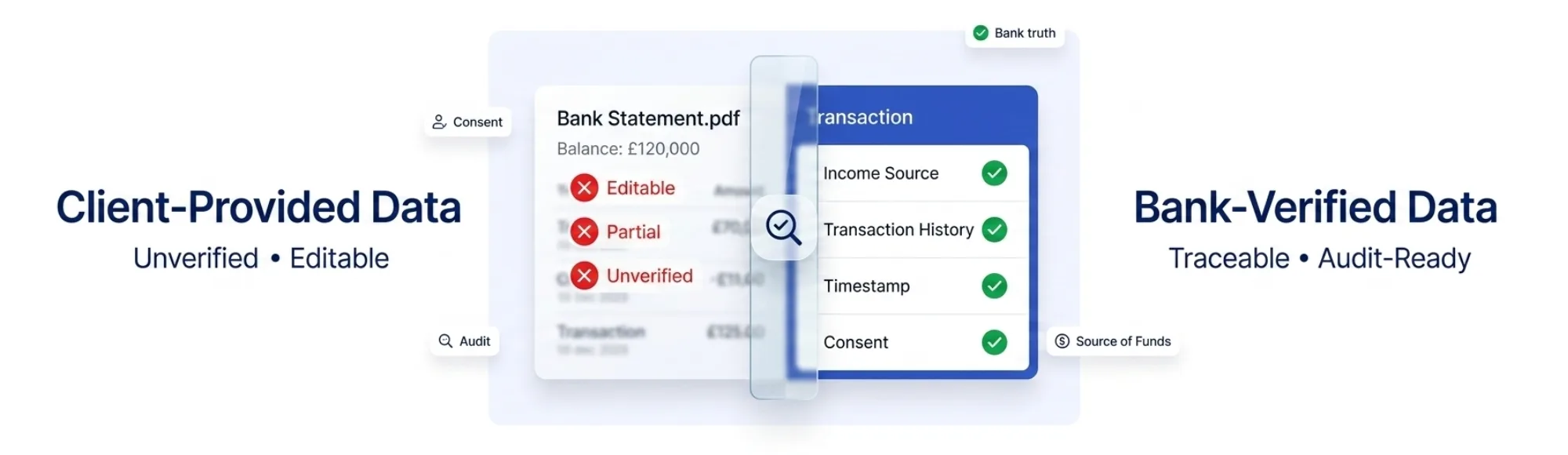
Enhanced Client Due Diligence: Making Compliance Work in Practice
Enhanced client due diligence is a mandatory requirement under MLR 2017 Regulation 33 for high-risk clients, PEPs, and complex transactions. Most EDD workflows still rely on manually collected documents that cannot be independently verified. This blog covers what EDD requires, when it applies, and how a structured client due diligence checklist works reliably in practice.
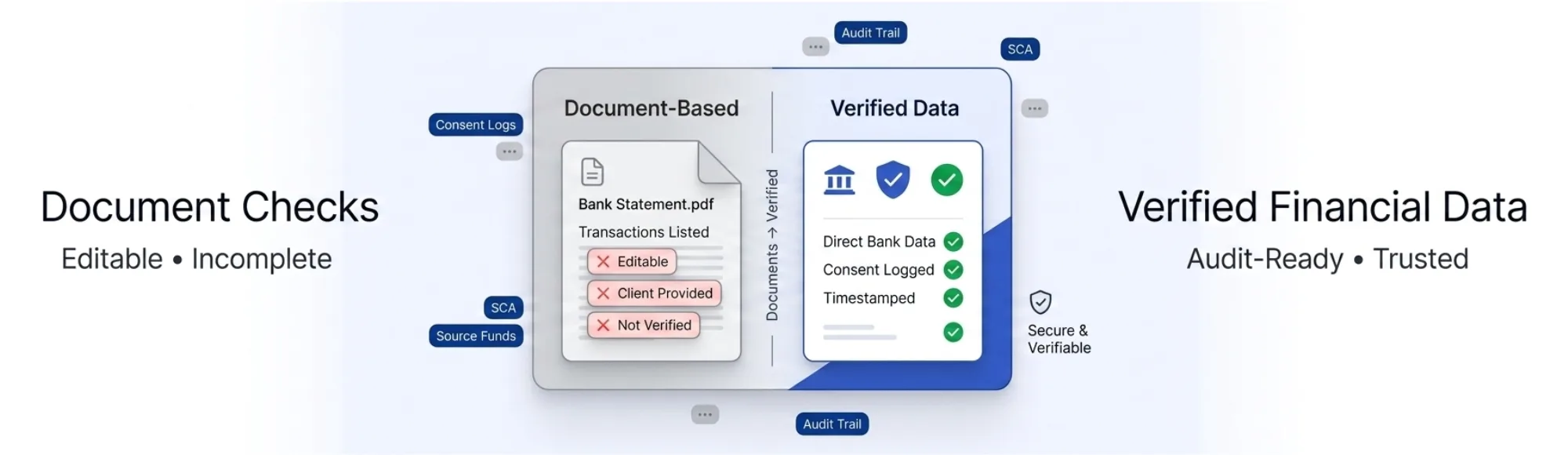
Client Due Diligence Solutions: Why Verified Data Beats Documents
Client due diligence solutions that rely only on documents leave compliance gaps that auditors and regulators can identify. PDFs can be altered. The source of funds cannot be independently verified from a statement alone. This blog covers why document-based CDD creates risk for Lawtech, conveyancing, and compliance platforms, and how verified bank data improves the…
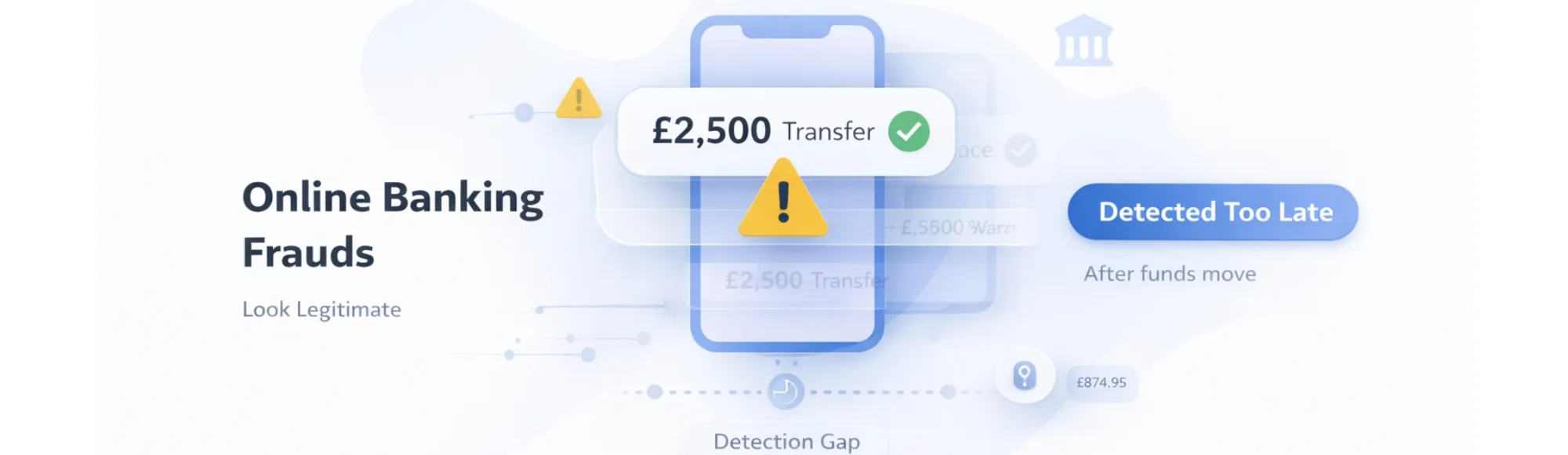
Online Banking Frauds: Why Reliable Detection Happens Too Late
Online banking frauds are not always spotted at the point they happen. For platforms handling payments, onboarding, and financial workflows, the detection gap is the real problem. By the time fraud is confirmed, the payment has cleared and damage is done. This blog covers how online banking frauds work and why platforms detect them late.
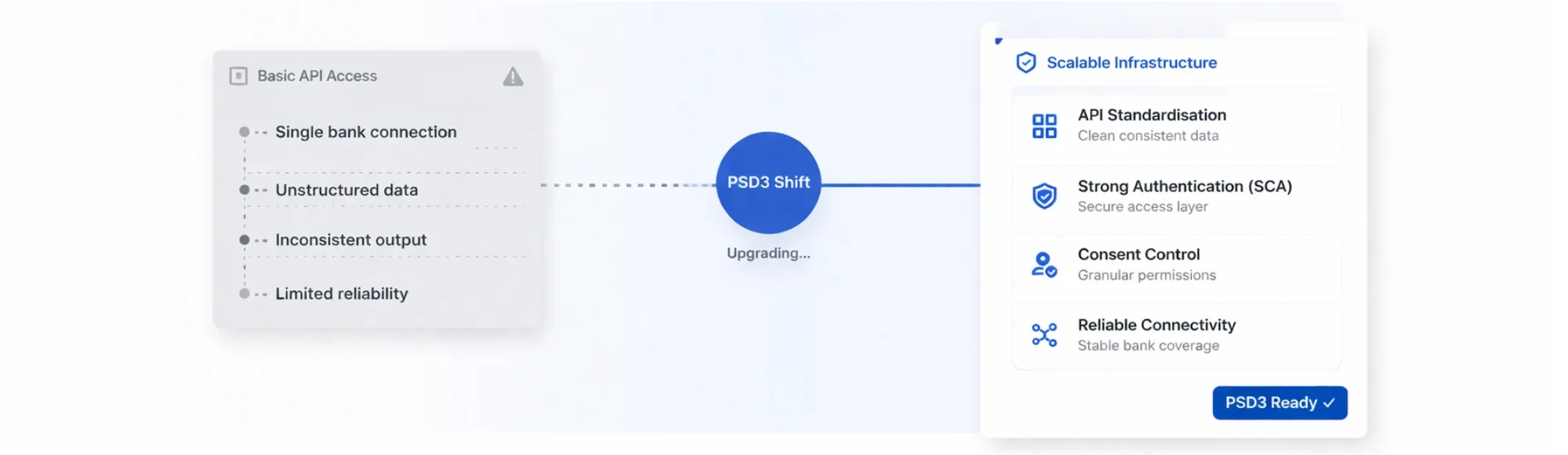
PSD3 Open Banking: Why Platforms Must Move Beyond Basic APIs to Scalable Financial Infrastructure
PSD3 open banking marks a structural shift in how financial data and payments must be handled across Europe and the UK. This blog explains what is PSD3, how it raises the compliance and infrastructure bar for platforms, and why the transition from basic API access to scalable, production-grade financial infrastructure is no longer optional for…