Category: Open Banking
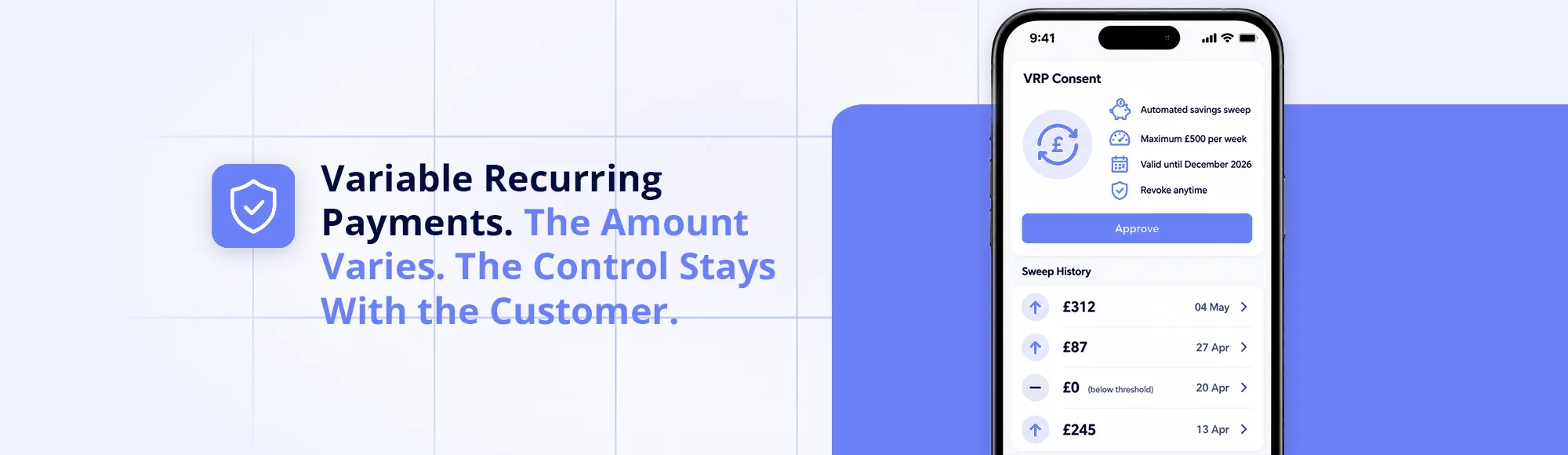
Variable Recurring Payments Open Banking Examples That Show Where Payments Are Heading
Variable recurring payments are described as a technical upgrade to Direct Debit. That undersells them. VRPs change who controls recurring payment amounts – shifting control from the business to the customer. This blog covers real Open Banking VRP examples across savings, utilities, lending, and subscriptions, and why VRPs matter for financial inclusion beyond flexible billing.
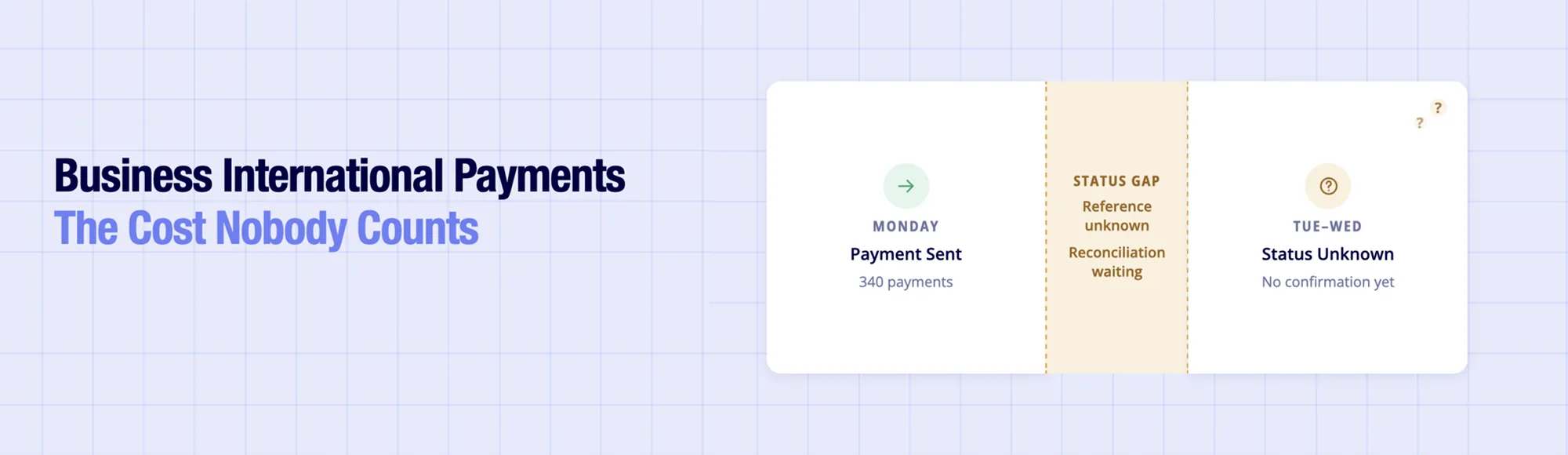
Business International Payments: The Hidden Operational Cost
Business international payments often stall not in transit but in confirmation, leaving finance teams chasing status, matching references, and reconciling manually. This guide breaks down where international business payments lose operational visibility and how per-payment webhook tracking, embedded references, and reconciliation-ready data close that gap for UK B2B platforms sending GBP-denominated payouts abroad.
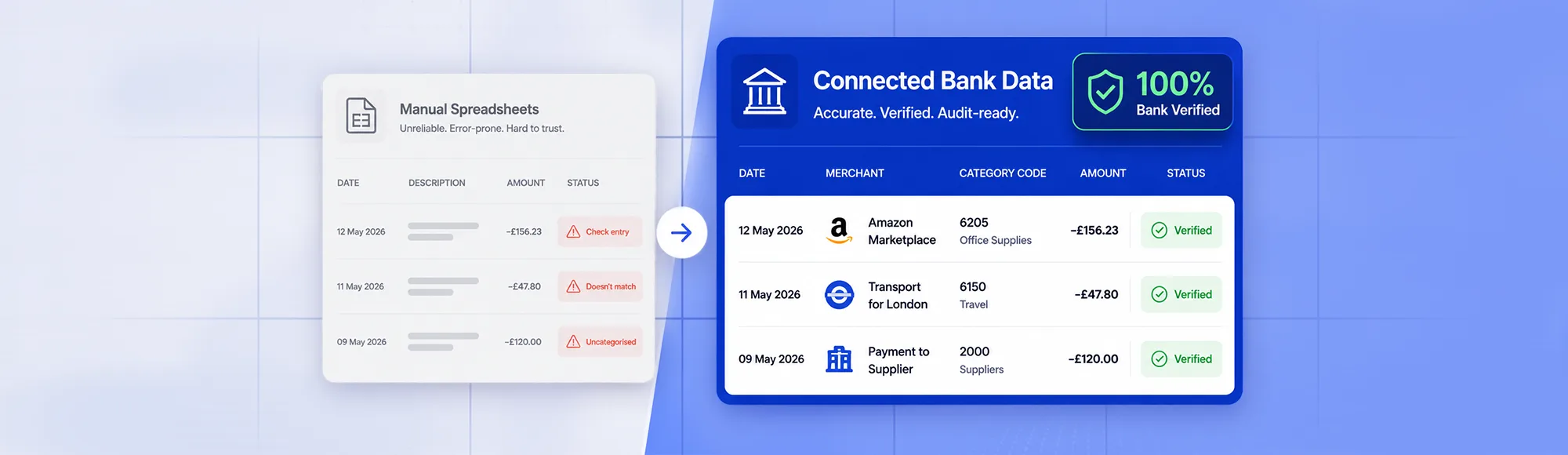
Why Is Accurate Record Keeping Important? The Operational Answer
Accurate record keeping matters for compliance. But that is only the start. Finance teams that struggle at month-end or fail audits almost always share the same root problem: transaction data that is incomplete, delayed, or manually entered. This blog covers why keeping financial records accurately is an operational issue – not just a regulatory one.
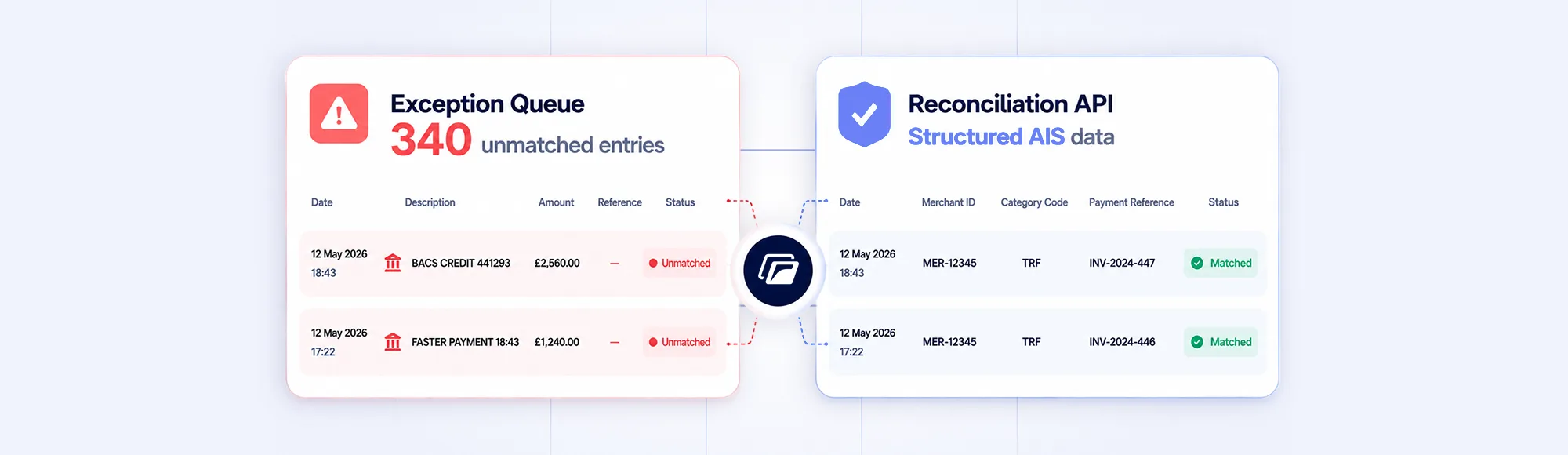
Why Accurate Reconciliation Depends on Better Reconciliation API Infrastructure
Most reconciliation API failures are not algorithm failures. They are data failures. The matching logic works. The bank transaction data feeding it is delayed, generic, or disconnected from the payment that triggered it. This blog covers why accurate reconciliation depends on infrastructure-level data connectivity, and what a reconciliation API needs to do beyond transaction matching.

Why Multi-Bank Connectivity Still Breaks in Modern Finance Stacks
Multi-bank connectivity sounds like a solved problem. Connect the right APIs and unified bank access should follow. In practice, each bank behaves differently. APIs time out at different rates. Data formats vary. Consent cycles expire at different intervals. This blog covers why fragmented bank integrations create operational problems and what reliable multi-bank infrastructure actually requires.

Why Payment Tracking Still Breaks in Modern Financial Workflows
Payment tracking sounds like a solved problem. Most platforms have a status page. Most finance teams have a spreadsheet. Neither tells you what happened at the bank. This blog covers why payment tracking breaks operationally, what online payment tracking requires beyond status updates, and how connecting payment initiation to bank transaction data changes the workflow.

Payment Gateway vs PSP vs Payment Processor: What UK Businesses Actually Need to Know
Most businesses asking about payment gateways are really asking one question: which do I actually need? This guide explains what a payment gateway does, how it differs from a PSP and payment processor, and when the payment gateway vs PSP debate matters less than you think because Open Banking changes the decision for UK platforms.

Data Security in Financial Services Begins Before the Database
Data security in financial services is not just about where data is stored – it is about how it enters the platform. Manual bank statements introduce fraud risk, integrity gaps, and compliance exposure that encrypted storage cannot fix. This blog covers what secure bank data access requires and how Open Banking APIs change the risk.

Open Banking Referencing: Reliable Tenant Verification for PropTech Platforms
Open banking referencing replaces manually submitted statements with verified data from the bank. Payslip fraud makes up over half of tenancy fraud – and AI fakes take minutes to create. This blog covers how open banking for referencing works at the platform level, and what PropTech and letting agent platforms need to build it reliably.

Manual Bank Reconciliation Is Not the Problem. Your Transaction Processing Is.
Finance teams spending hours on manual bank reconciliation are solving the wrong problem. The real issue is upstream – in how transactions are processed and referenced. This blog covers why transaction processing failures create reconciliation backlogs, what structured bank data changes, and how accounting and ERP platforms fix the root cause instead of the symptom.

Payment Initiation Services: Complete UK Guide for 2026
Learn what a Payment Initiation Service (PIS) is, how it works in the UK, and why it’s changing the way businesses handle payments using open banking APIs.
Late Payment of Commercial Debts: The Proven Fix Beyond Legal Enforcement
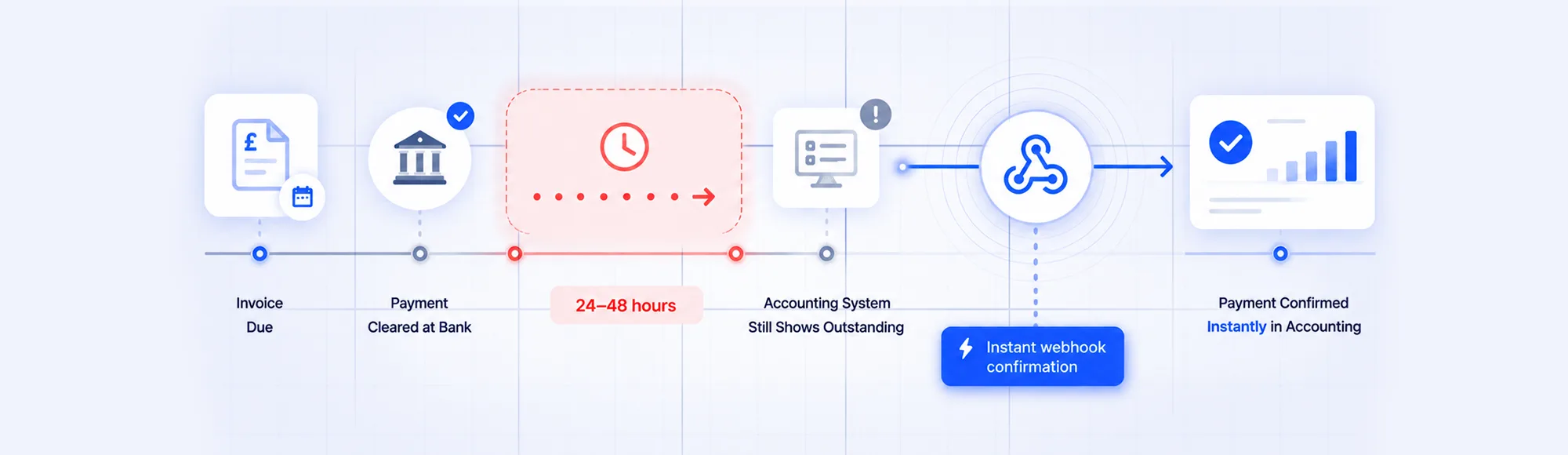
Late payment of commercial debts costs the UK economy £11 billion a year and closes 38 businesses every day. Legal rights exist but enforcement is reactive. This blog covers why late payments persist despite the law, what real-time accounting data changes operationally, and how platforms can reduce overdue invoices before they become a collections problem.
Bacs Payment: Proven for Payroll, Wrong for Real-Time Workflows
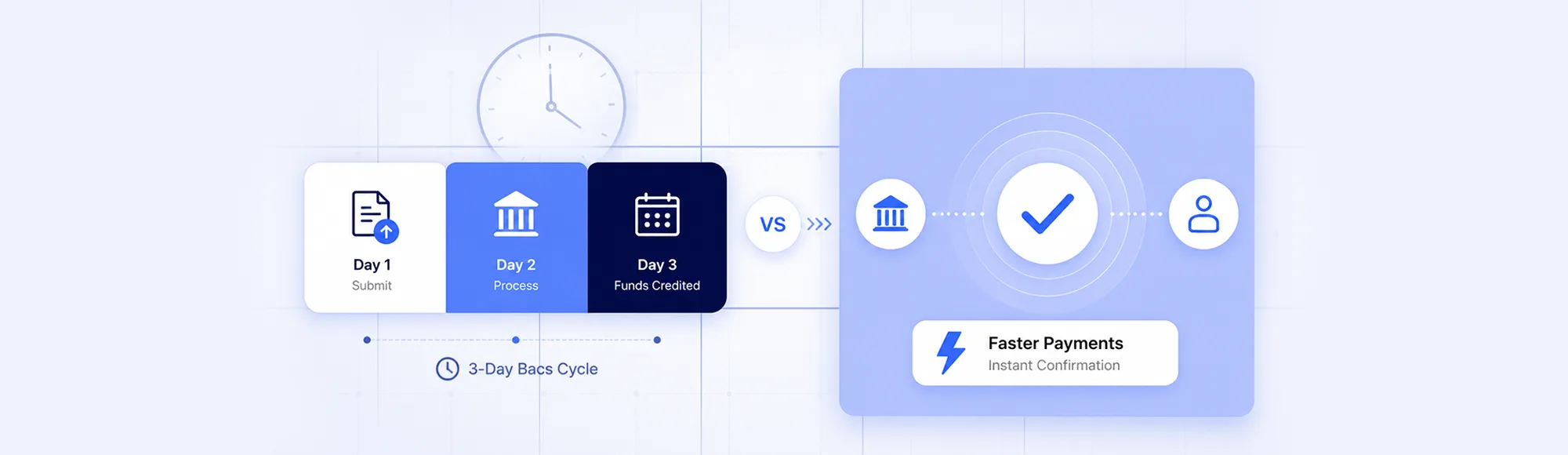
A Bacs payment is core UK payroll infrastructure – used by 8 in 10 UK employees to receive their wages. But the 3-day settlement cycle creates problems for SaaS platforms needing real-time payment confirmation. This blog covers what a Bacs payment is, when it works well, and when modern platform workflows need something considerably faster.
Payment API Integration: Why Payments and Data Must Work Together
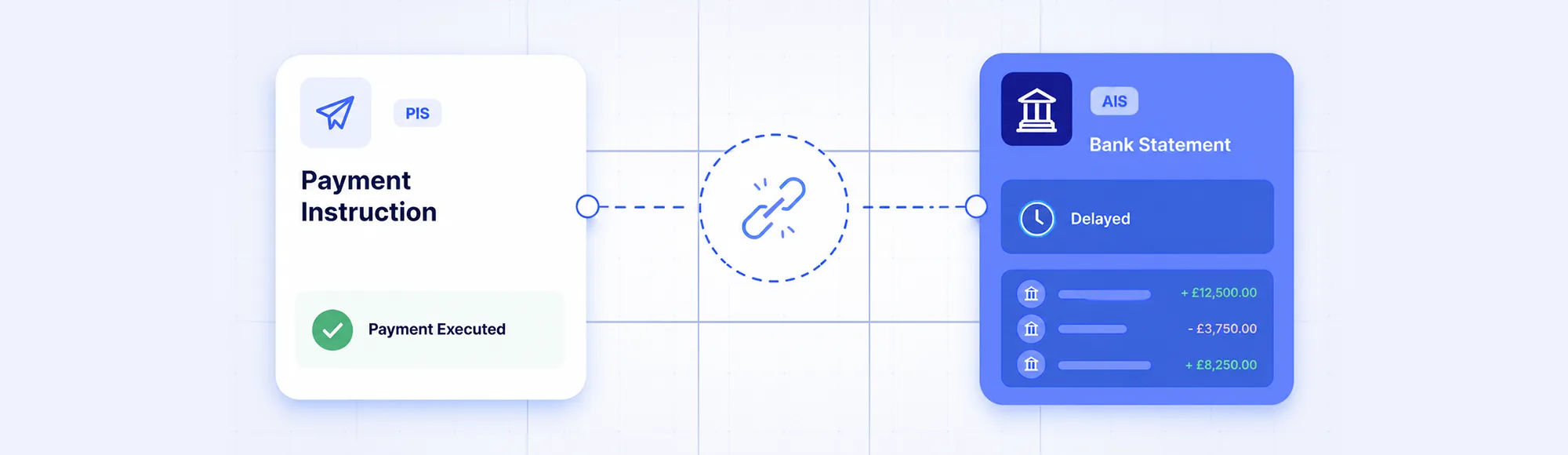
Payment API integration works in the sandbox. It breaks in production when payments execute but financial data does not follow. Reconciliation fails. Cash position drifts. This blog covers why payment API integration depends on open banking data sharing to work reliably – and what the connected payments-plus-data workflow actually looks like for B2B platform teams.
CHAPS Payment: When It Makes Sense (and When It Doesn’t)
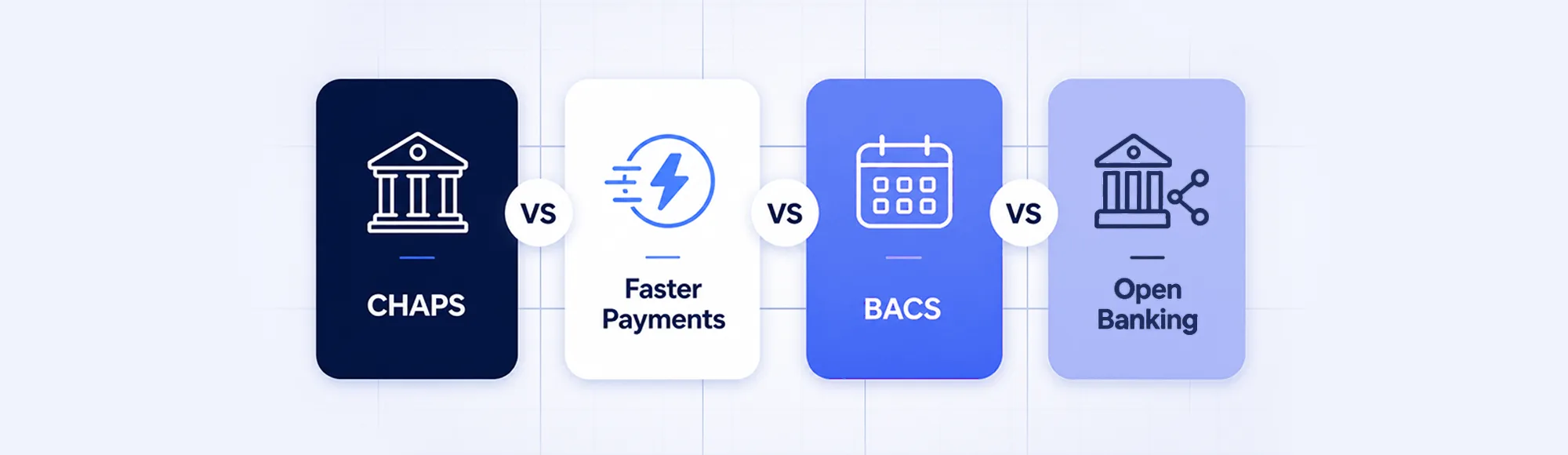
A CHAPS payment is the UK’s same-day, high-value bank transfer – essential for property completions, large corporate transfers, and time-critical settlements. But at £20-£35 per transaction, it is one of the most expensive methods available. This blog covers what a CHAPS payment is, when it is the right choice, and when Faster Payments works better.
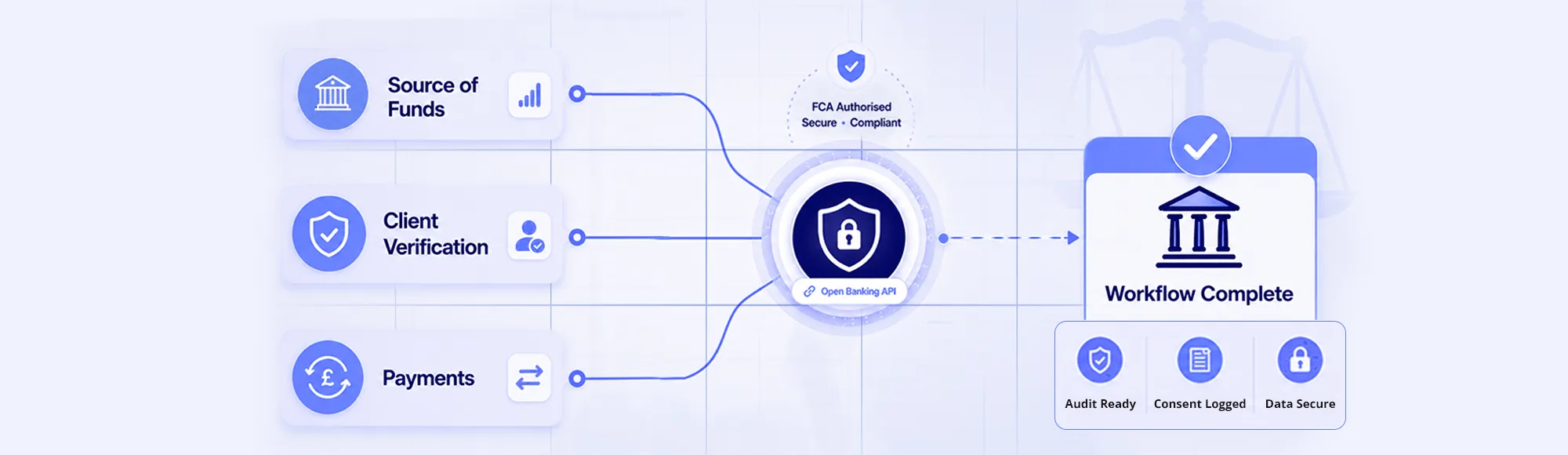
5 Best Budget Open Banking Tools for Solicitors: Choosing by Workflow
Open banking tools for solicitors are not all built for the same workflow. Source of funds checks need bank data access. Conveyancing payments need payment initiation. Client verification needs identity checks. This blog compares the best budget open banking tools for solicitors by workflow – helping law firms and Lawtech platforms choose the right tool.

Invoice Payment Overdue: Stop Losing Cash to Manual Collections
Invoice payment overdue situations are almost always blamed on customers. The real cause is often the payment method – too many steps, too much friction, too easy to defer. This blog covers why overdue invoices persist, what UK law allows you to charge, and how platforms can reduce overdue invoice rates at the system level.
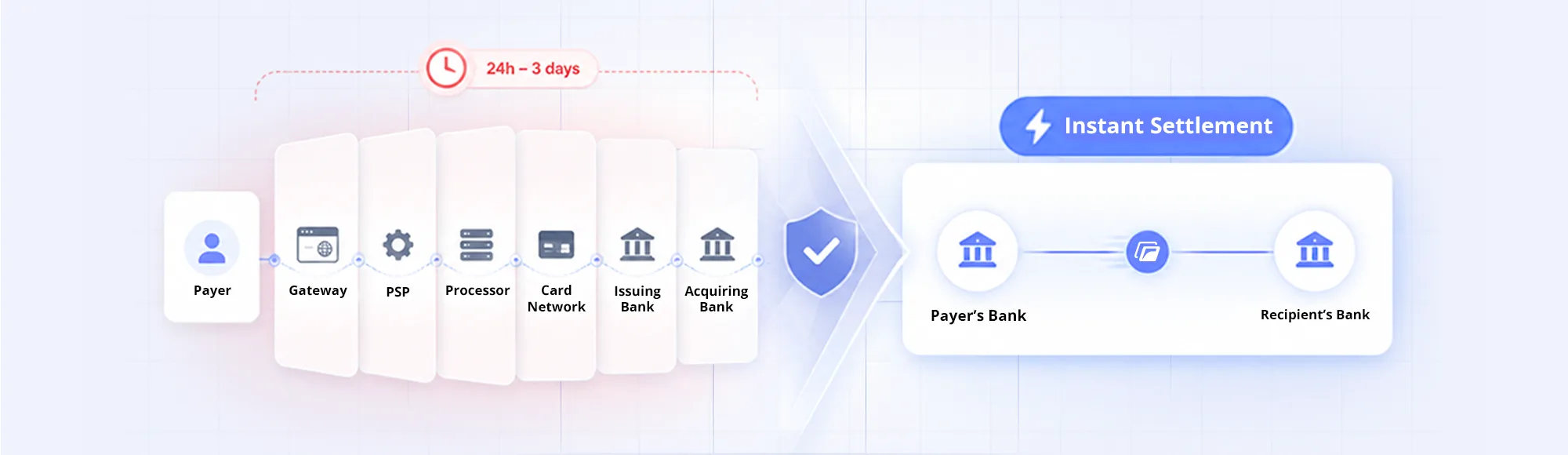
Delay Payments: Why Proven Infrastructure Fixes Slow Settlement
Delay payments are often blamed on banks. The real cause is the infrastructure sitting between the payer and the recipient. This blog explains how payment service provider vs payment processor structure creates settlement delays, where delays actually occur in the chain, and how direct bank-based payment flows reduce the intermediary layers that slow them down.
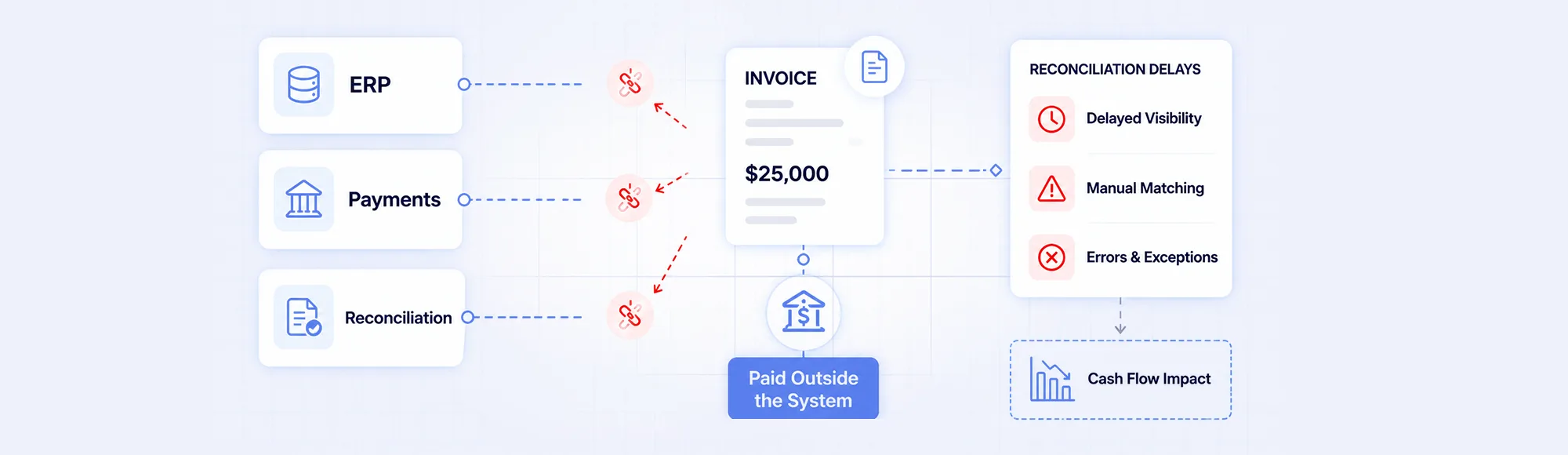
Accounts Payable Invoice Processing: Reliable Connected Workflows
Accounts payable invoice processing breaks at the payment step. Invoices are managed in the ERP. Payments happen outside it. Reconciliation happens later – manually, from delayed bank data. This blog covers where the invoice payment process disconnects, the operational impact on accounting SaaS and ERP platforms, and how connecting payments and bank data fixes it.
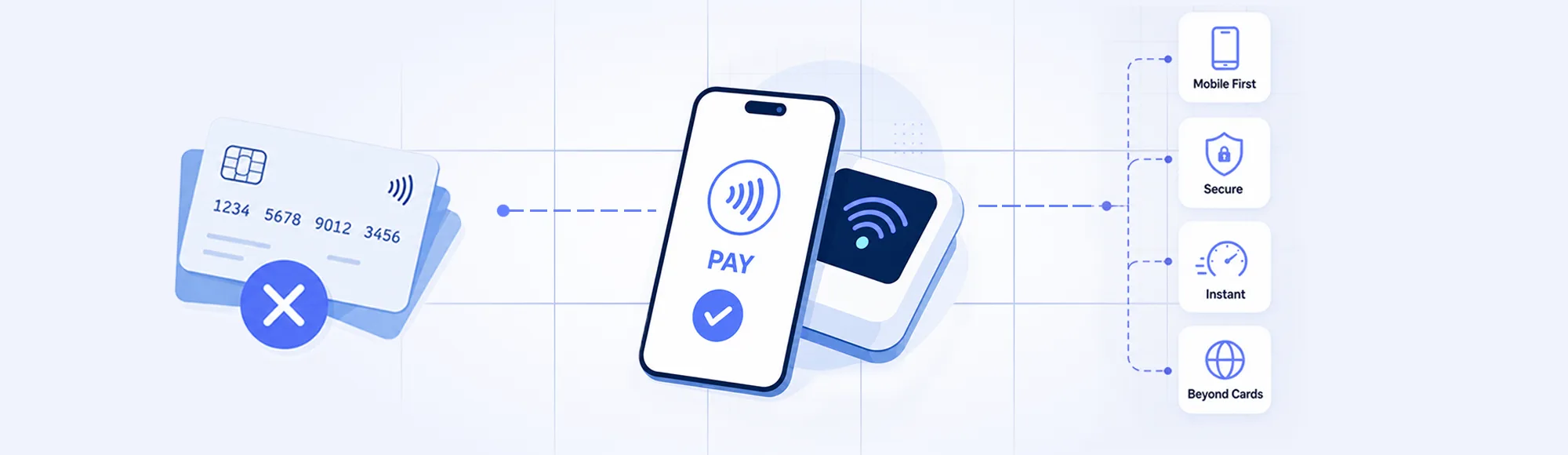
Contactless Mobile Payment Solutions: Proven Path Beyond NFC Cards
Contactless mobile payment solutions have moved well beyond NFC card taps. QR-based and bank-based touchless payment options now offer EPOS platforms, utility billing, and payment SaaS, a faster and lower-cost alternative to card-network-dependent contactless. This blog covers how the infrastructure shift works, what it means for payment platforms, and where Open Banking fits in practice.
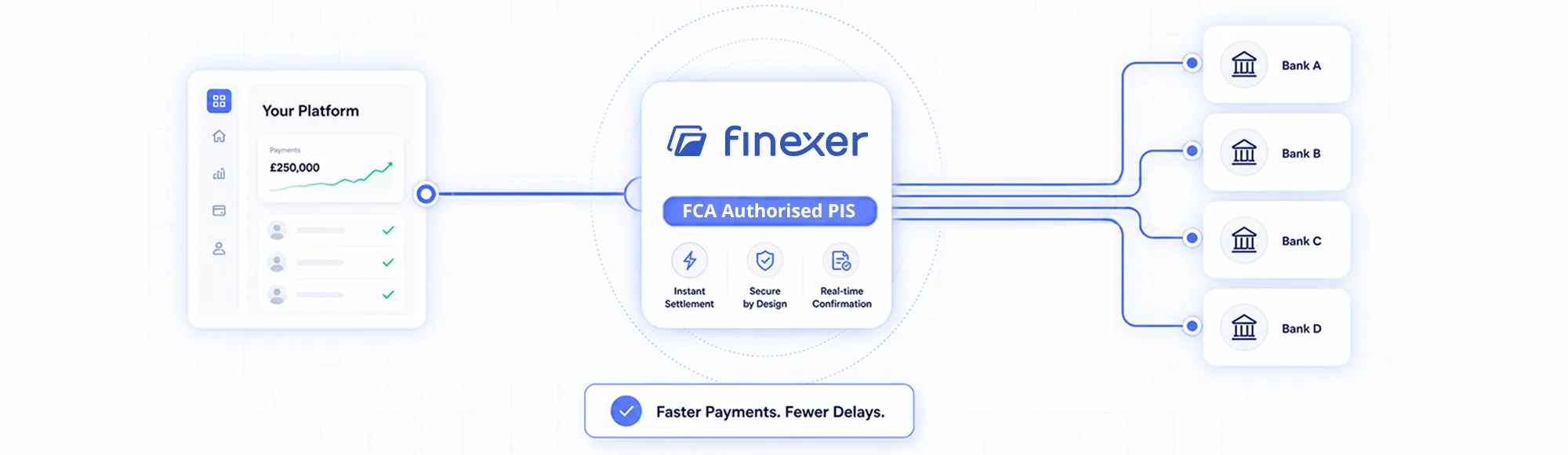
Proven API Banking Platform Guide: What Actually Matters in Production
Most API banking platform evaluations start with endpoints and feature documentation. They should always start with production reliability instead. This blog covers what actually determines which open banking platform has the best API for UK product teams, and compares the top five UK providers on real criteria that matter once integration moves beyond the sandbox.
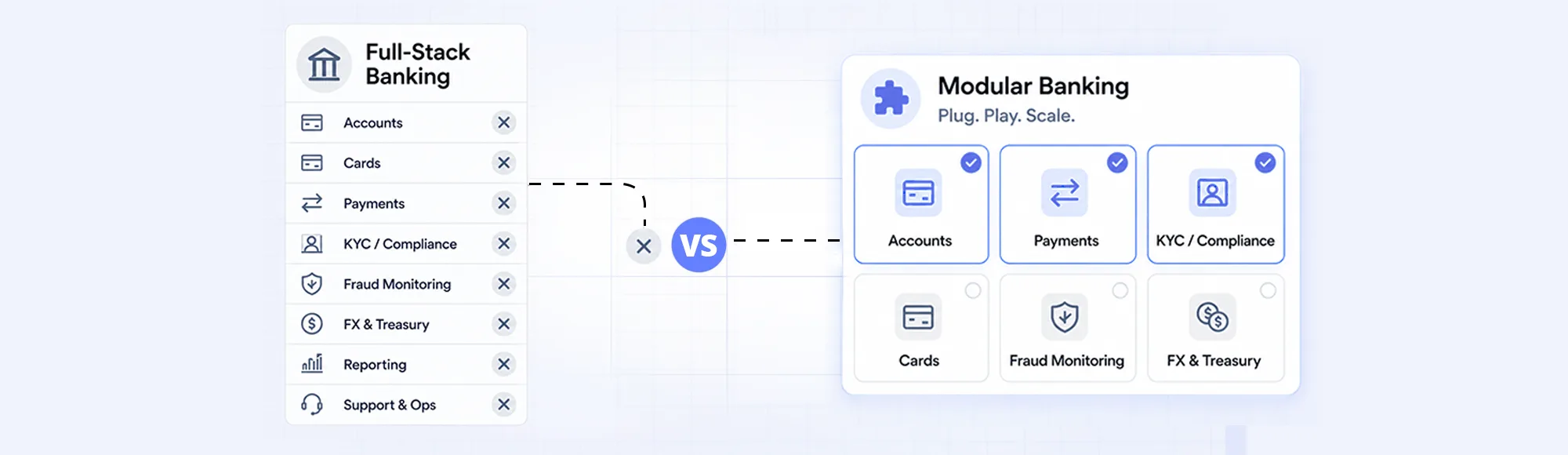
Scalable White Label Finance: Building Financial Features With Open Banking APIs
White label finance solutions let platforms embed financial features – payments, bank data, and identity verification – without building full banking infrastructure from scratch. Not every approach suits existing SaaS. This blog covers what white label finance requires for accounting SaaS, Lawtech, and billing platforms, and why modular Open Banking infrastructure delivers it significantly faster.
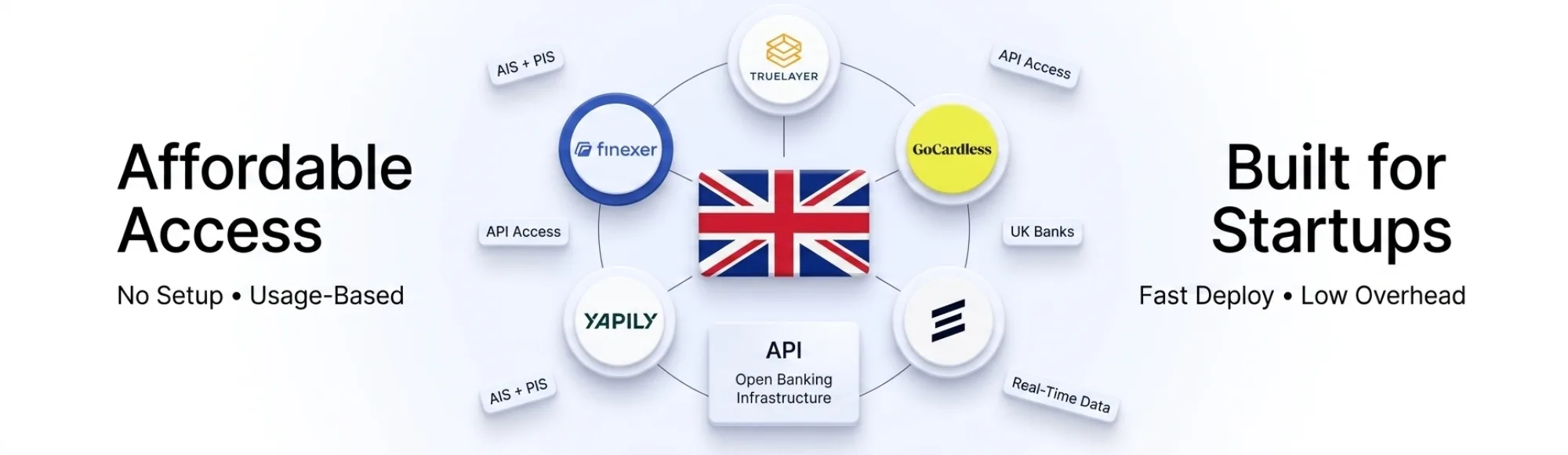
5 Best Affordable Open Banking Providers for UK Startups and SMEs
Affordable Open Banking for startups and SMEs means more than the lowest headline price. It means lower integration complexity, faster deployment, and less operational overhead overall. This blog compares the top five UK Open Banking providers on affordability, covering pricing models, deployment speed, and what actually determines open banking affordability for early-stage and SaaS platforms.
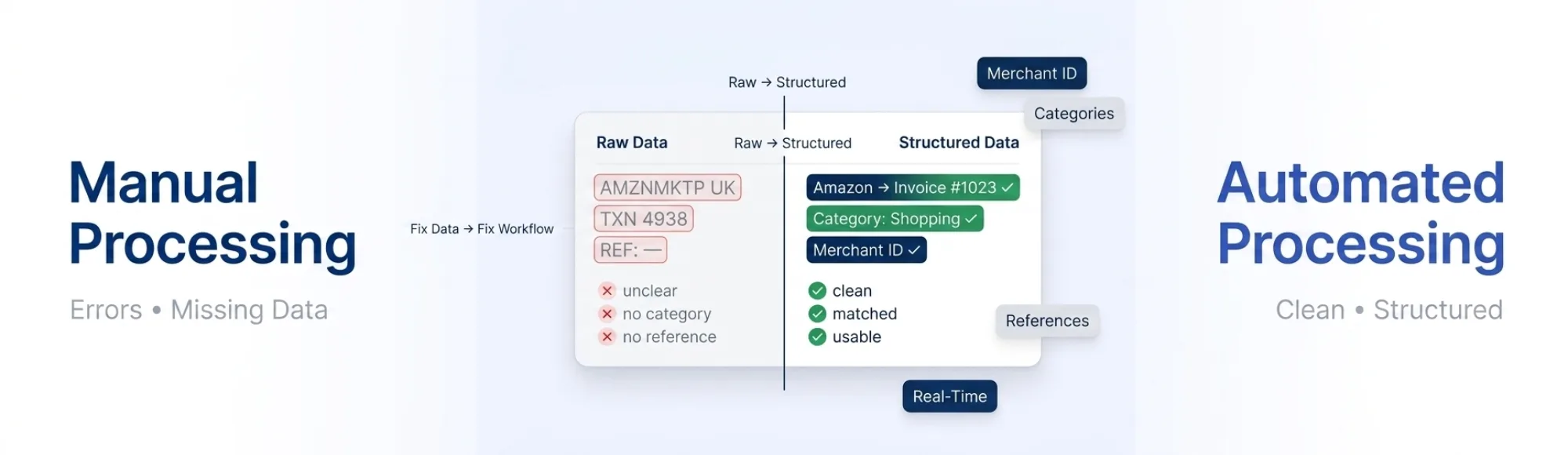
Manual Transaction Processing: Why Reliable Solutions Still Fall Short
Manual transaction processing persists across accounting SaaS, ERP, billing, and Lawtech platforms even when automation tools are already running. The root cause is fragmented bank data – not the software itself. This blog covers why transaction processing solutions fall short without direct bank data access and what platforms need to reduce manual handling at source.
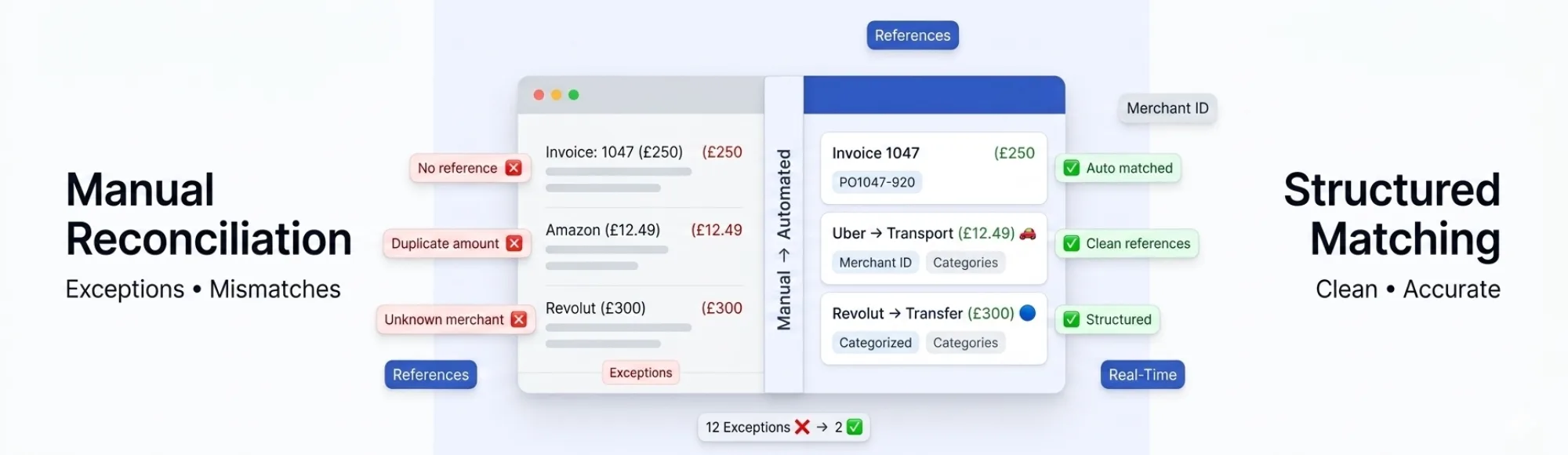
Manual Reconciliation Payments: Why Automation Still Fails
Manual reconciliation payments slow financial workflows. See why manual bank reconciliation persists and how structured bank data reduces the effort.
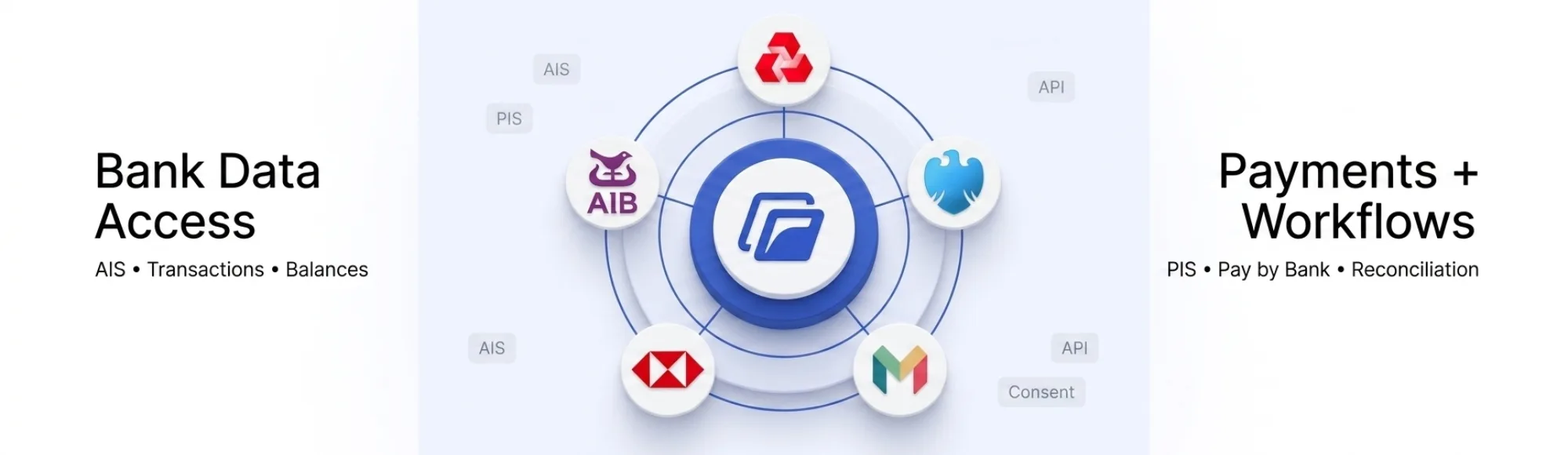
Finexer Open Banking: Infrastructure for Reliable Financial Workflows
UK-only. FCA-authorised. Bank data and payments in one integration. Open Banking infrastructure for accounting, Lawtech, EPOS, and billing platforms. Contact Now Finexer Open Banking provides API-based access to bank transaction data and payment initiation through Open Banking infrastructure. It enables platforms to retrieve structured financial data, initiate account-to-account payments, and build reliable financial workflows using…
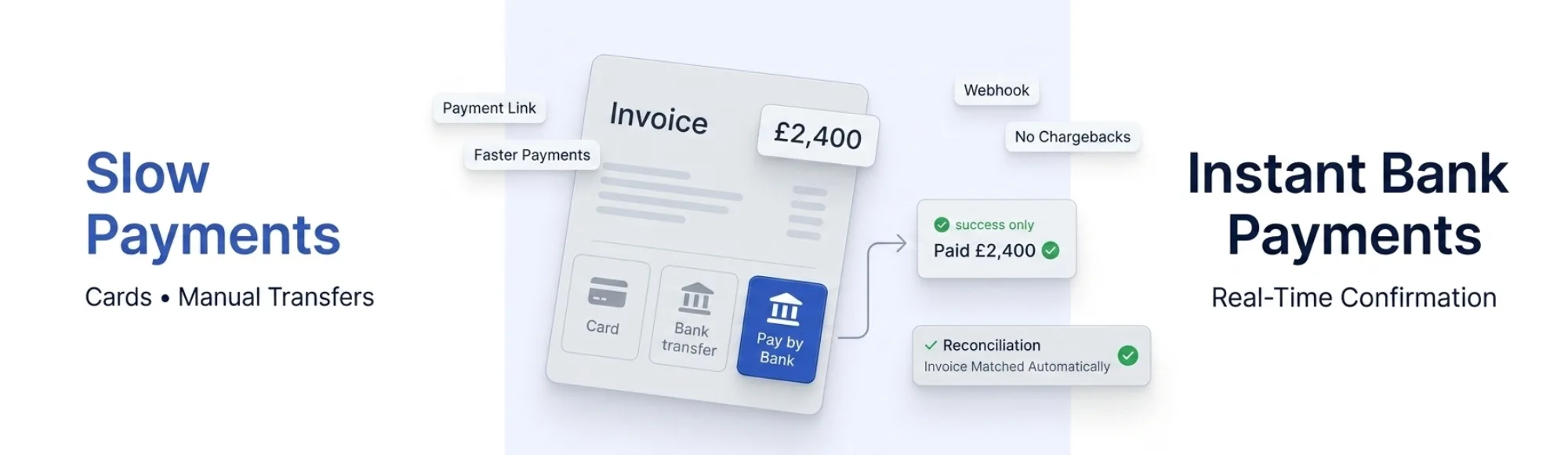
Invoice Payment Methods: Faster Payments and Smarter Workflows
Bank-based invoice payments. Instant confirmation. Zero chargebacks. Open Banking payment initiation and bank data for invoice workflows. Contact Now Invoice payment methods include bank transfers, card payments, and account-to-account payments via Open Banking. The invoice payment process involves issuing an invoice, selecting a payment method, and confirming receipt – with modern methods enabling faster settlement…
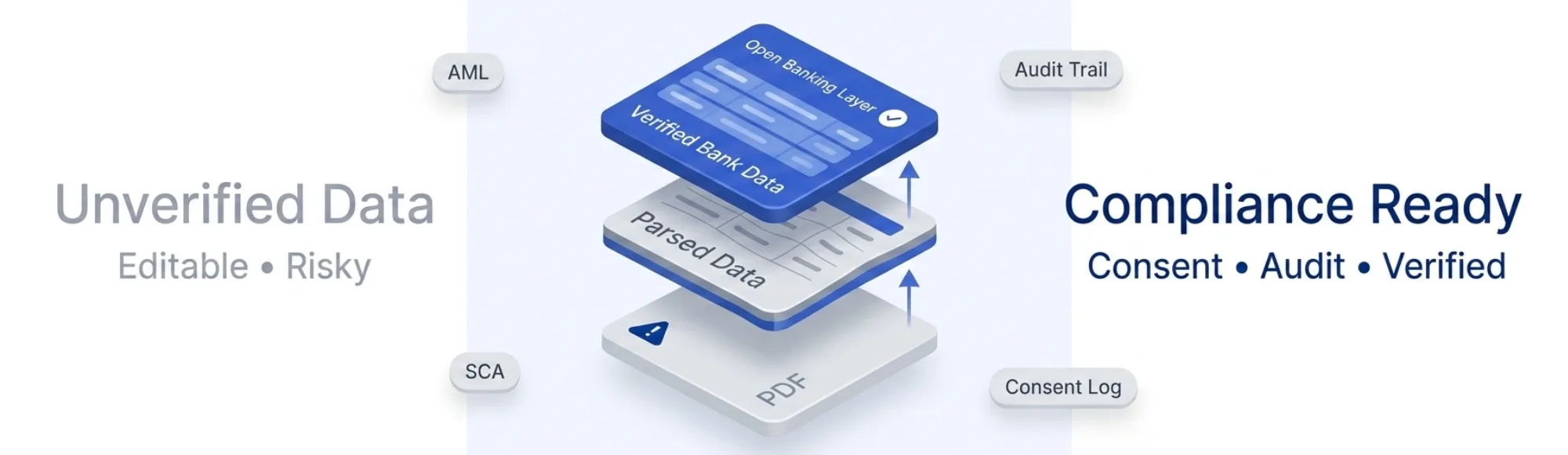
Cheapest Way to Fetch Client Bank Statements for Solicitors (Without Compliance Risk)
The cheapest way to fetch client bank statements for solicitors is not always the most compliant. Manual PDFs are manipulable. Document scraping tools are unreliable. This blog compares three methods solicitors use to fetch client bank statements, explains the compliance risk in each,
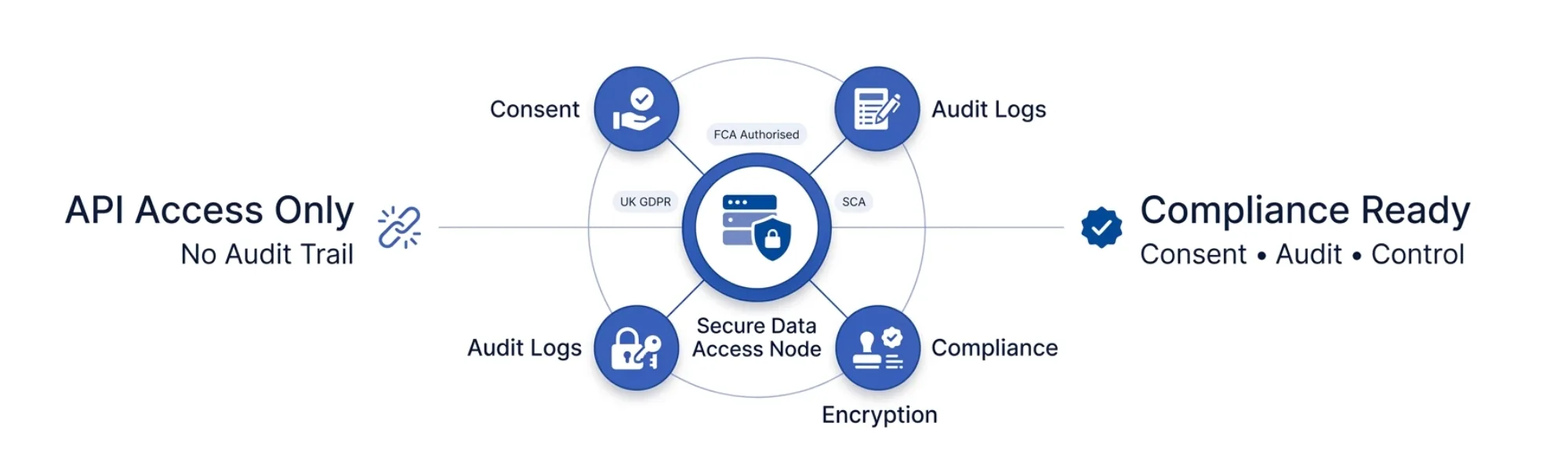
Secure Financial Data Access: Best Fintech Solutions for Safe API Integration
Secure financial data access in fintech requires more than encrypted API connections. It demands consent logging, audit trails, FCA-authorised infrastructure, and data security in financial services compliance under UK GDPR. This blog covers what secure financial data access means in practice, where platforms get it wrong, and how to evaluate providers on real compliance criteria.

Payment Integration via APIs: 5 Best Fintech Payment APIs for Fast, Reliable Integration
Payment integration via APIs allows fintech platforms to accept, process, and manage transactions without building payment infrastructure from scratch. Choosing the right payment API determines integration speed, data flow, and whether payments and bank data come from one provider or several. This blog compares five leading options to help fintech platforms make the right decision.