Finexer Open Banking Blogs
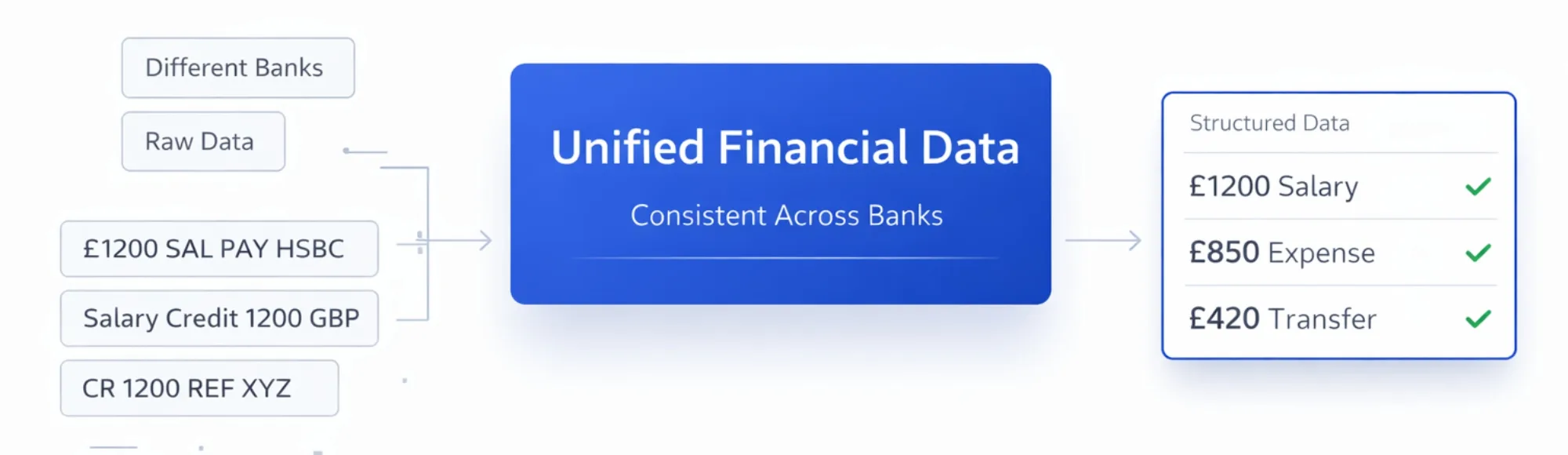
Financial Data Connectivity Across Institutions: Best Fintech Platforms for Reliable Integration
Financial data connectivity across institutions is how UK fintech platforms access, standardise, and use bank transaction data through a single API layer. Most platforms only find the real gap after go-live – when data arrives inconsistently, enrichment is missing, and financial data providers end up stitched together. This blog covers exactly what reliable connectivity requires.
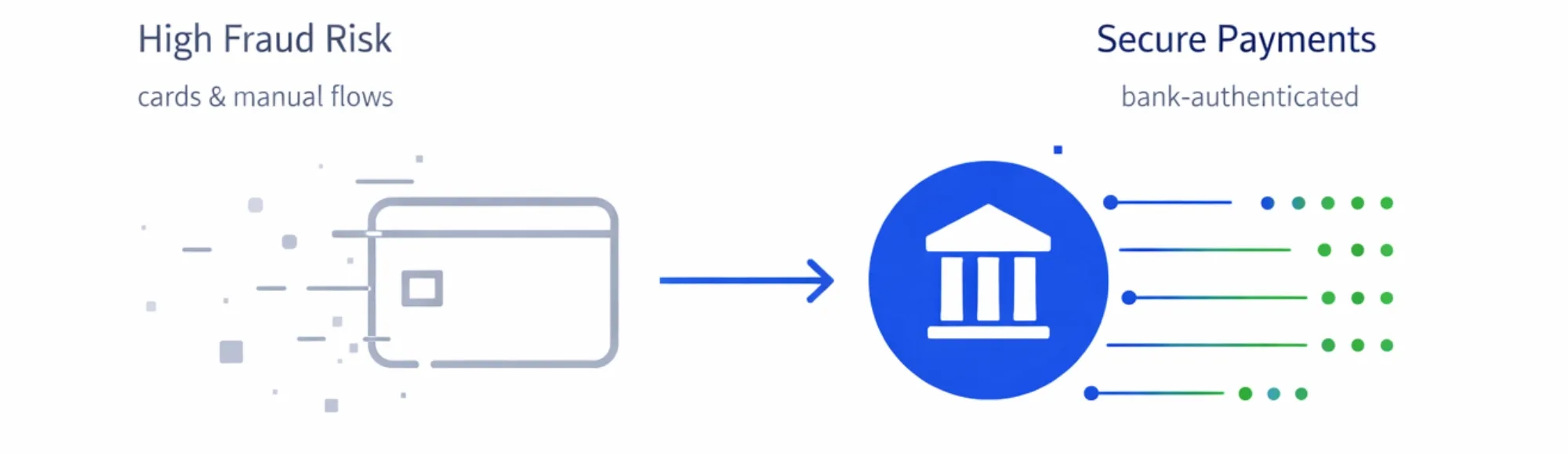
Alternative Payment Methods: Why Traditional Payments Increase Fraud Risk
Alternative payment methods are not just about reducing card fees. The payment method determines fraud exposure, chargeback risk, and collection reliability. For EPOS platforms, utility billing, and payment SaaS, the choice directly affects how much fraud reaches the platform – and the operational overhead it creates. This blog covers which payment methods reduce that risk.
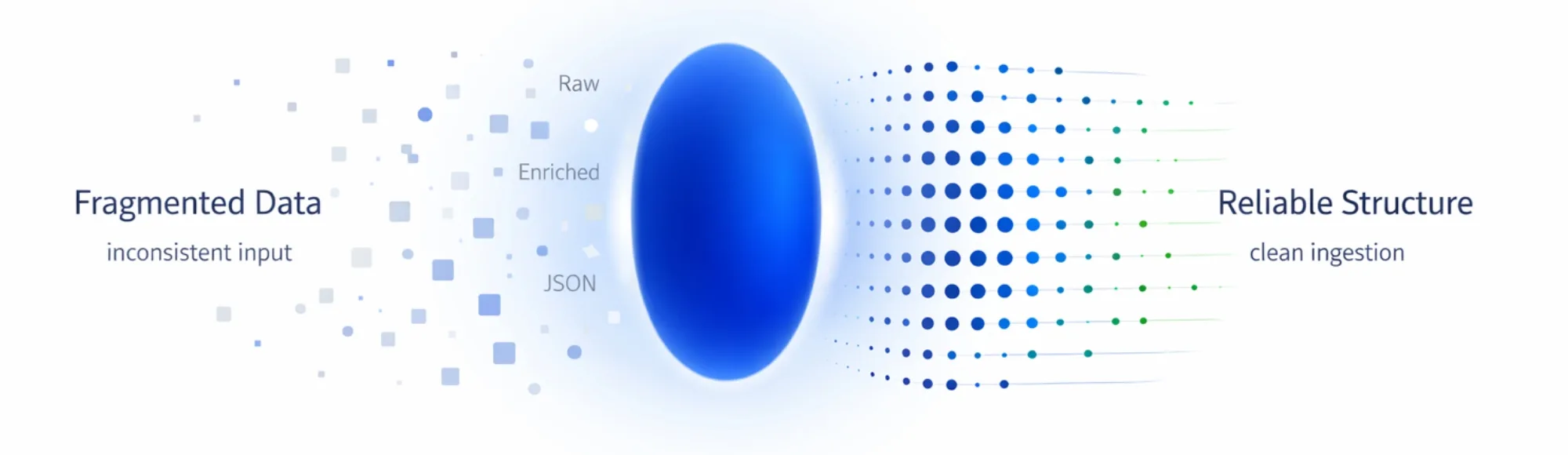
Financial Data Ingestion Process: Why Bank Data Pipelines Break
Financial data ingestion process failures in accounting, ERP, and Lawtech platforms trace back to the same root cause – the bank data source. Fragmented access, inconsistent formats, and delayed delivery break the ingestion pipeline before the platform’s processing logic runs. This blog covers why financial data ingestion breaks and what reliable bank data access requires.

API-Driven Fintech Infrastructure: Best Platforms for Fast, Secure Integration
API-driven fintech infrastructure is not a feature decision. It is a production decision. The wrong infrastructure provider means months of integration work, data quality problems, and real compliance gaps that only surface after go-live. This blog covers what UK platforms need from fintech infrastructure, where providers fall short, and how to evaluate the right fit.
![Zimpler Pricing [2026]: Costs, Features & UK Alternative](/wp-content/uploads/2025/04/Zimpler-2026-png.webp "Zimpler Pricing [2026]: Costs, Features & UK Alternative 5")
Zimpler Pricing [2026]: Costs, Features & UK Alternative
Get Paid with Finexer Connect with 99% of UK Banks and Scale Your Business without Limits Try Now The information in this blog was verified using publicly available sources as of Jan 2026. Choosing a payment provider isn’t just about features—it’s about what it will cost you over time. While open banking solutions like Zimpler […]

Real-Time Accounting: Why It’s Not Truly Real-Time
Real-time accounting promises live dashboards, instant cash flow visibility, and up-to-date financial reports. But the accounting software is only as real-time as the data feeding it. When a bank feeds batch-update overnight and transactions arrive hours late, real-time accounting data is neither real nor timely. This blog covers why that happens – and what fixes it.
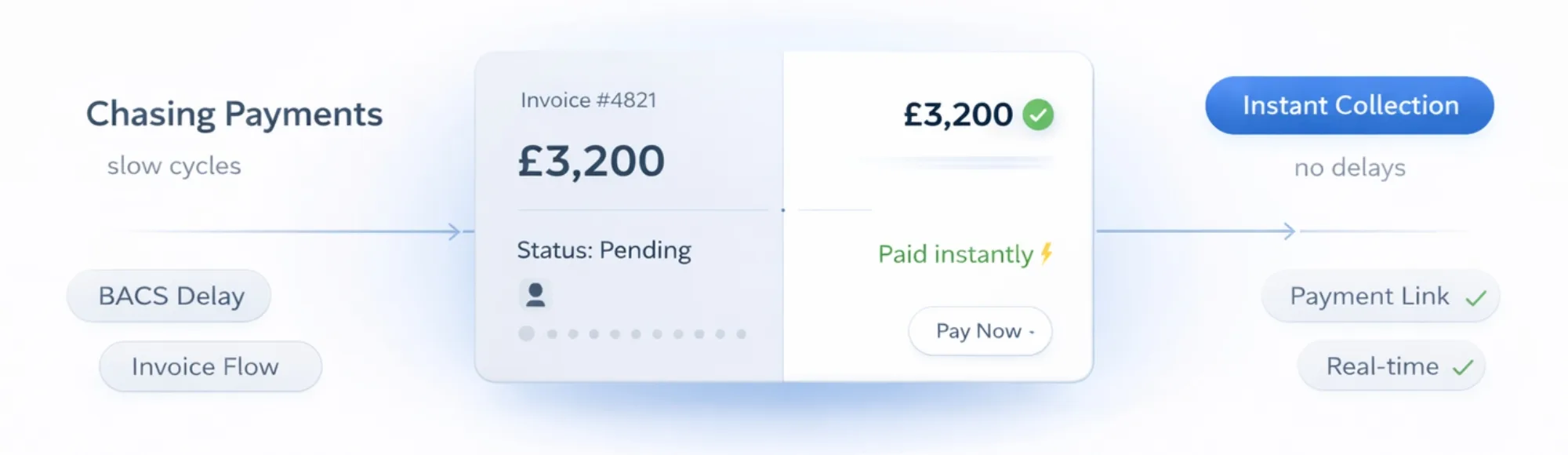
Late Payment Fees UK: Why Businesses Still Get Paid Late
Late payment fees UK give businesses the legal right to charge interest and compensation on overdue invoices. But most businesses never enforce them – and still get paid late. The fees exist. The delays continue. This blog covers why late payment of commercial debts persists despite the penalties, and what actually fixes the collection problem.
Business Financial Reporting: Why Reports Go Wrong
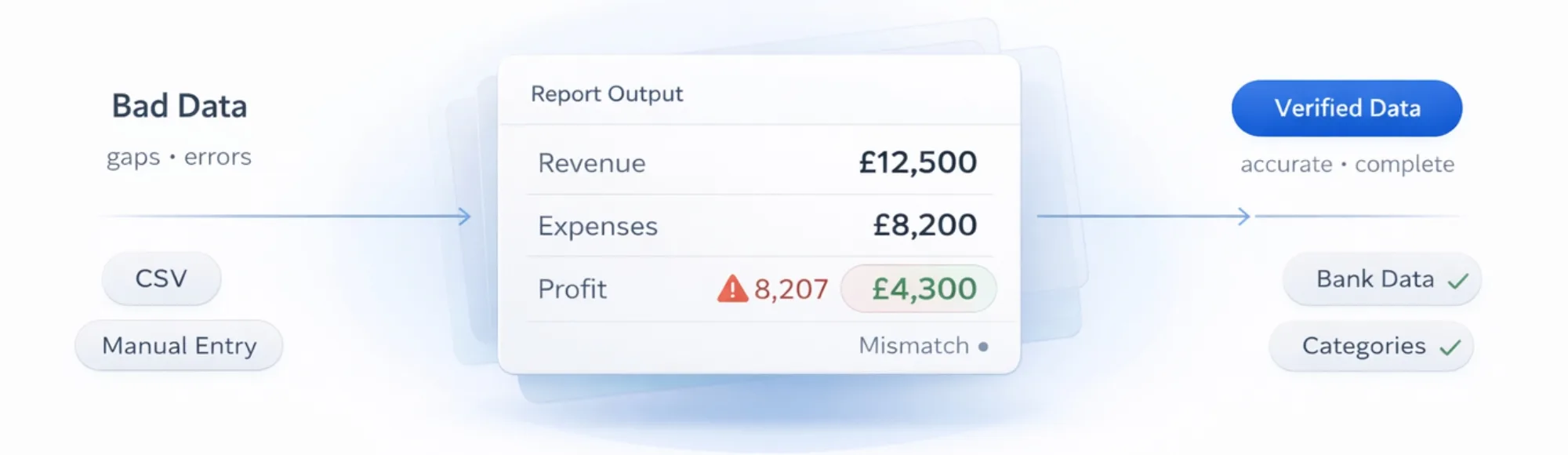
Business financial reporting produces wrong outputs when transaction data is wrong. The P&L shows inaccurate margins. The cash flow statement misses transactions. The balance sheet does not reconcile. The reporting tool is correct. The data feeding it is not. This blog covers why reporting finance breaks at the input layer and how to fix it.
Merchant Initiated Transactions: Why Payment Flows Break Without Control
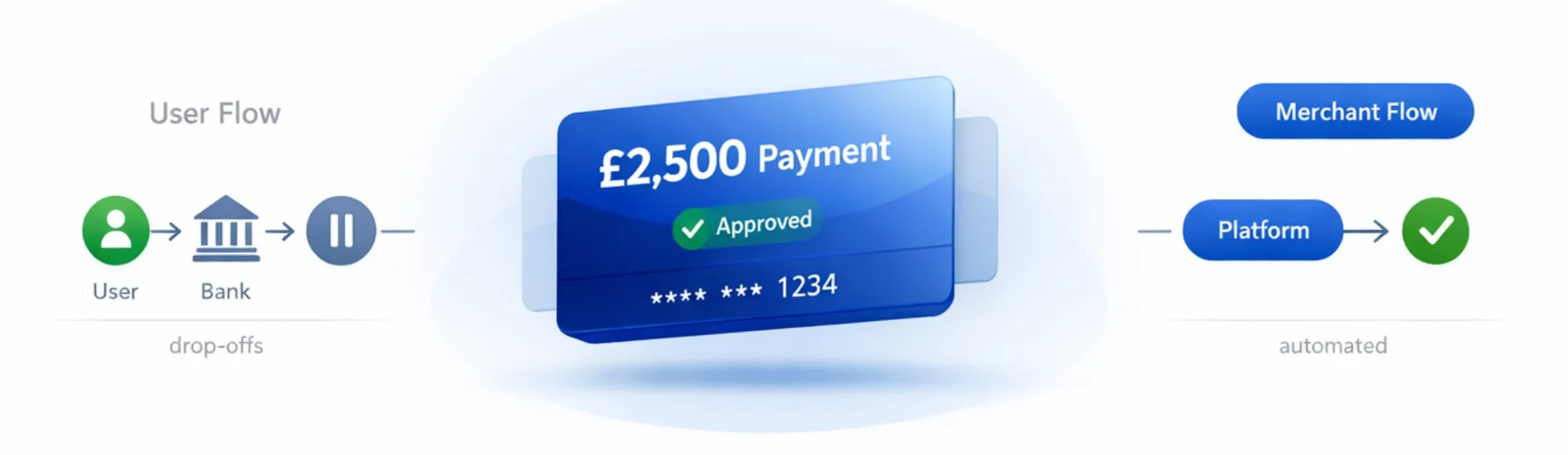
Merchant initiated transactions require the platform to control when and how payments are triggered – not the user. Standard Open Banking payment flows depend on the user completing each step. For EPOS, billing, and payroll platforms that trigger payments automatically, this distinction is the difference between a payment flow that works and one that breaks.
MTD Reporting Requirements: Why Platforms Fall Short
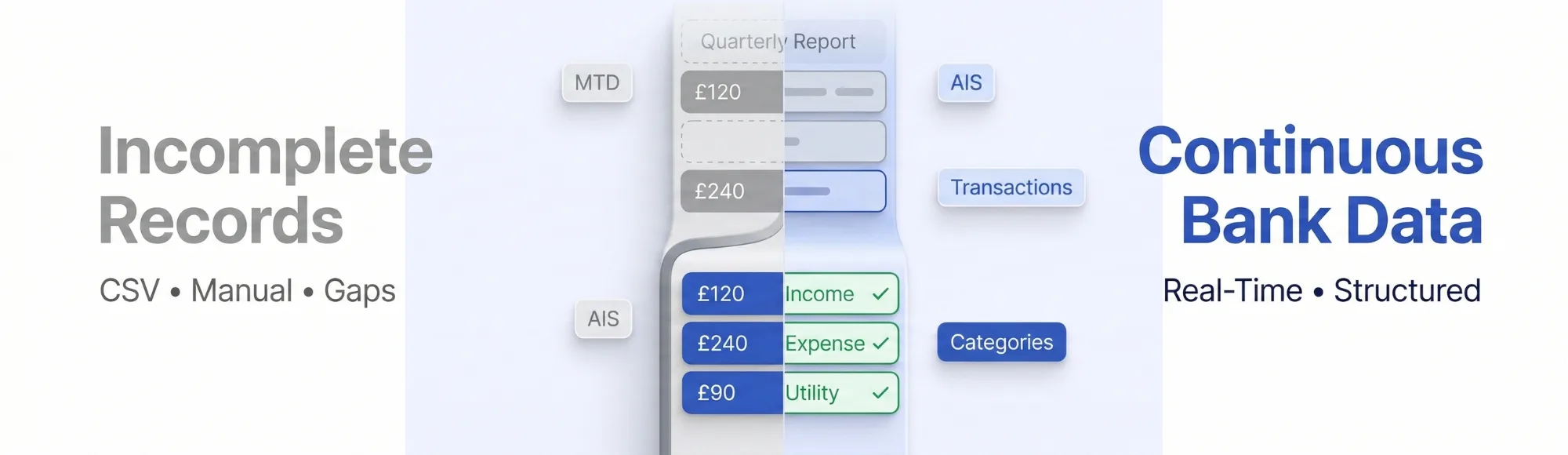
MTD reporting requirements are clear on paper. Digital records, quarterly updates, a final declaration. But meeting them consistently is a different problem entirely. Accounting SaaS and tax platforms that rely on manual data collection and periodic imports find that MTD reporting breaks at the data layer – not the submission layer. This blog covers why.
B2B Data Enrichment Services: Why Raw Financial Data Fails
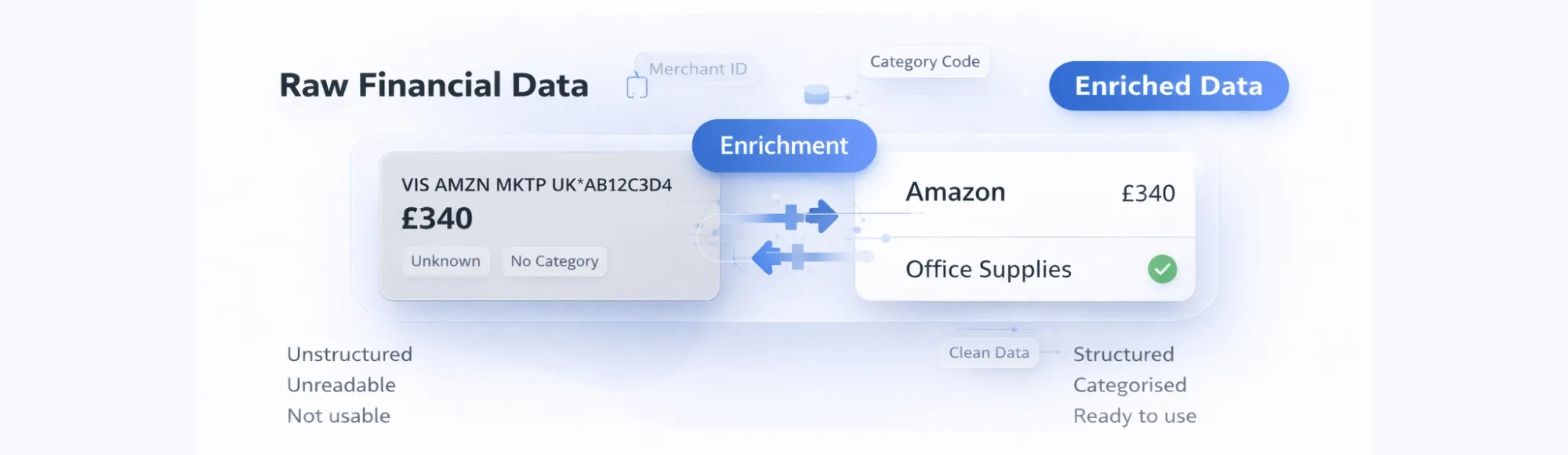
B2B data enrichment services solve a problem that most accounting and ERP platforms discover too late. Raw bank transaction data is not usable in financial workflows. Unclear merchant descriptions, inconsistent formats, and missing categories break reconciliation, reporting, and automation before they ever run. This blog covers why data enriching is the fix, not a feature.
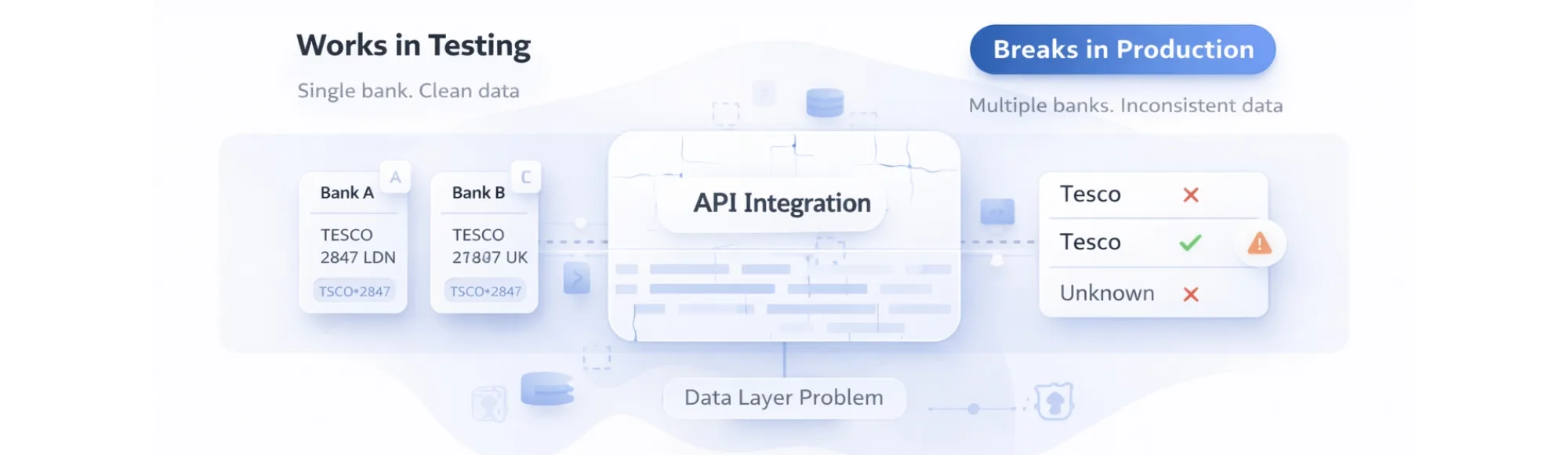
Financial API Integration Challenges: Why Reliable Bank Data Integrations Break
API integration challenges in financial platforms rarely appear during testing. They surface in production – when data formats change unexpectedly, bank connections drop without warning, and the same transaction arrives differently from the same source. This blog covers why bank APIs and integrations break at scale and what the real underlying data layer problem is.
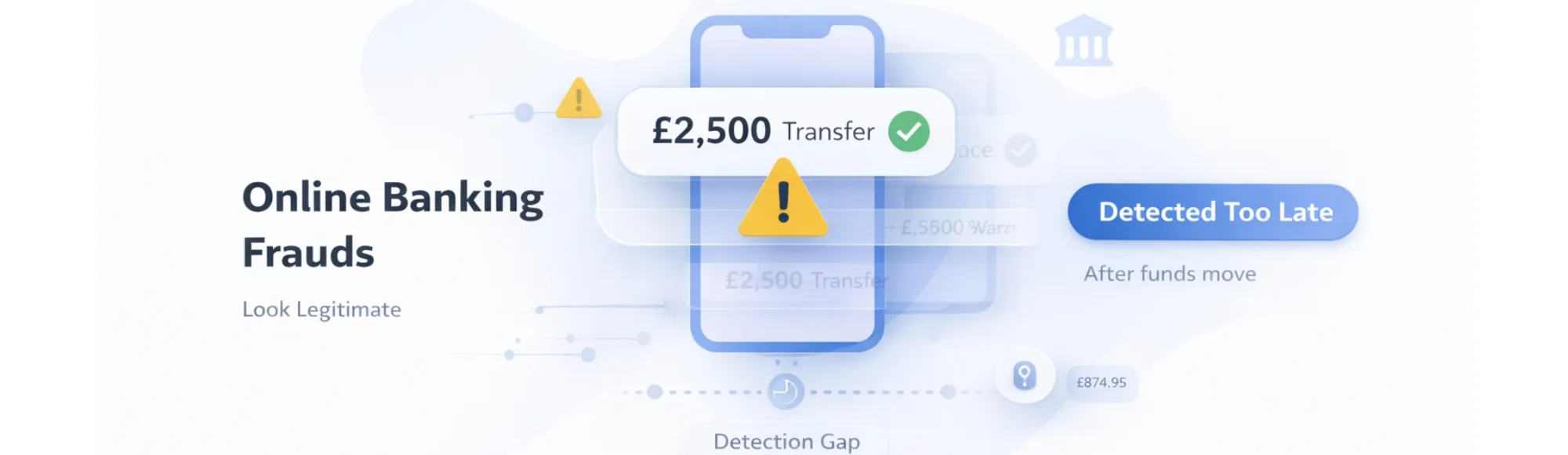
Online Banking Frauds: Why Reliable Detection Happens Too Late
Online banking frauds are not always spotted at the point they happen. For platforms handling payments, onboarding, and financial workflows, the detection gap is the real problem. By the time fraud is confirmed, the payment has cleared and damage is done. This blog covers how online banking frauds work and why platforms detect them late.
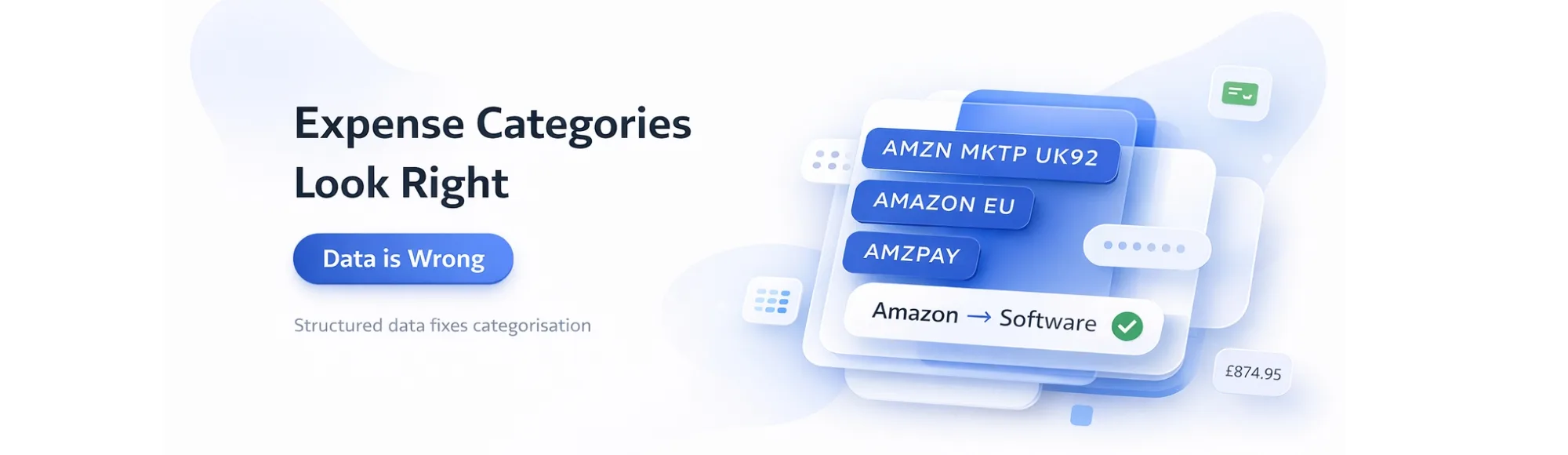
Business Expense Categories: Why Most Expense Data Is Wrong
Business expense categories are not the problem. Most platforms have a well-structured list. The problem is the data behind each category – inconsistent bank descriptions, miscategorised suppliers, and duplicate entries that make the list look correct while the numbers are wrong. This blog covers the categories, where the data breaks, and how to fix it.
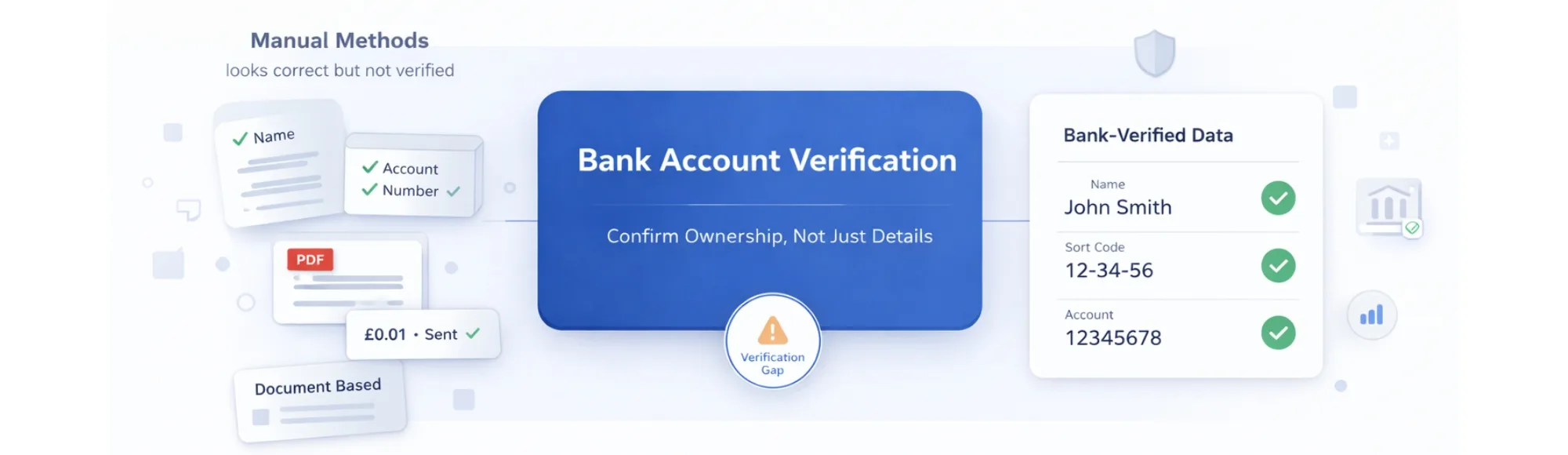
How to Verify Bank Account Details: The Most Reliable Methods
How to verify bank account details is the wrong question if the method cannot confirm ownership at source. Manual checks, penny drops, and document uploads each have reliability gaps that compound into operational problems at scale. This blog compares the main verification methods and shows which approach works in real Lawtech, payroll, and accounting workflows.
Inaccurate Financial Statements: How Proven Data Errors Compound at Scale
Inaccurate financial statements are rarely caused by a single bookkeeping error. They are caused by data inconsistencies that compound across automated workflows built on top of them. This blog covers why financial statement inaccuracy is a data input problem, how bookkeeping errors scale in accounting platforms, and how bank-verified transaction data fixes it at source.
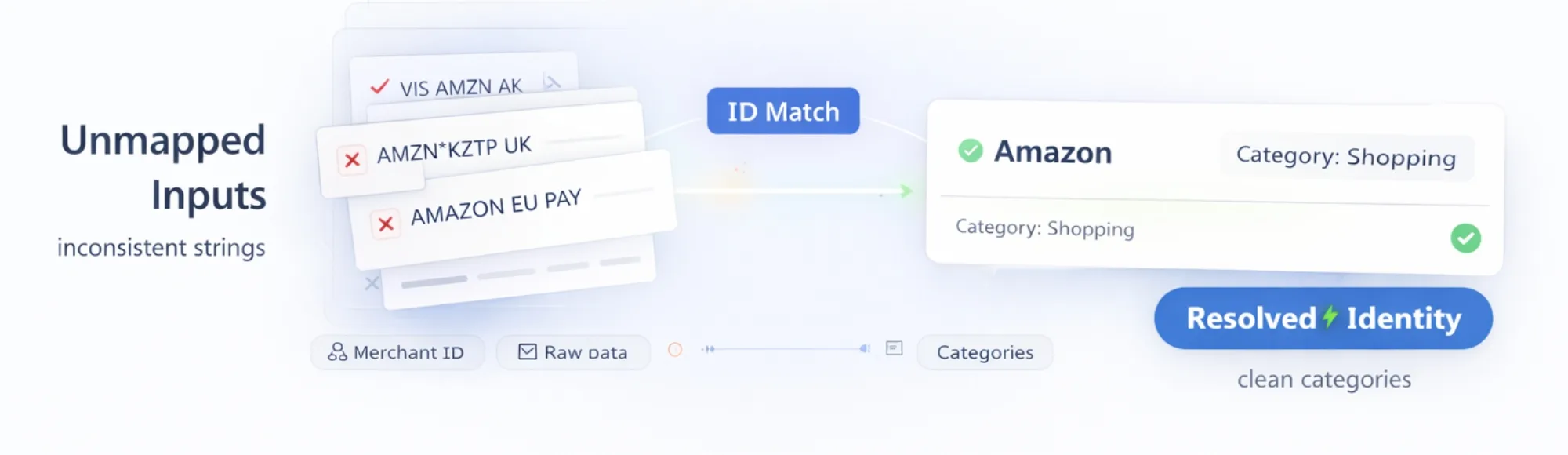
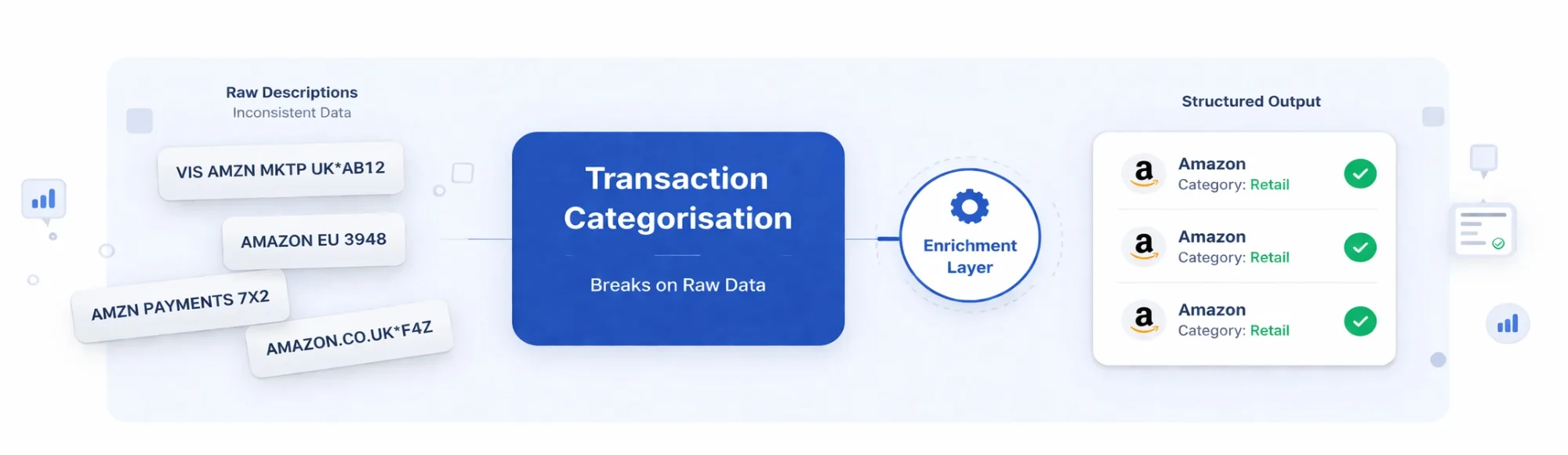
Bank Transaction Categorisation: Why It Fails in Real Workflows
Bank transaction categorisation accuracy depends on the quality of the input data – not just the rules or models applied to it. Raw bank descriptions are inconsistent, truncated, and unreliable for automated classification. Transaction categories built on unstructured data require constant manual correction. Finexer’s Data Enrichment API provides merchant identifiers, category codes, and structured transaction data with 95%+ accuracy across…
Accounting Software Security: Why Keeping Financial Records Secure Requires More Than Storage
Accounting software security is not just about where financial records are stored. It starts at data collection. PDF uploads, CSV imports, and manual journal entries create integrity gaps that no storage policy can fix. This blog covers why keeping financial records secure requires a verified bank data source – and how AIS closes the gap.
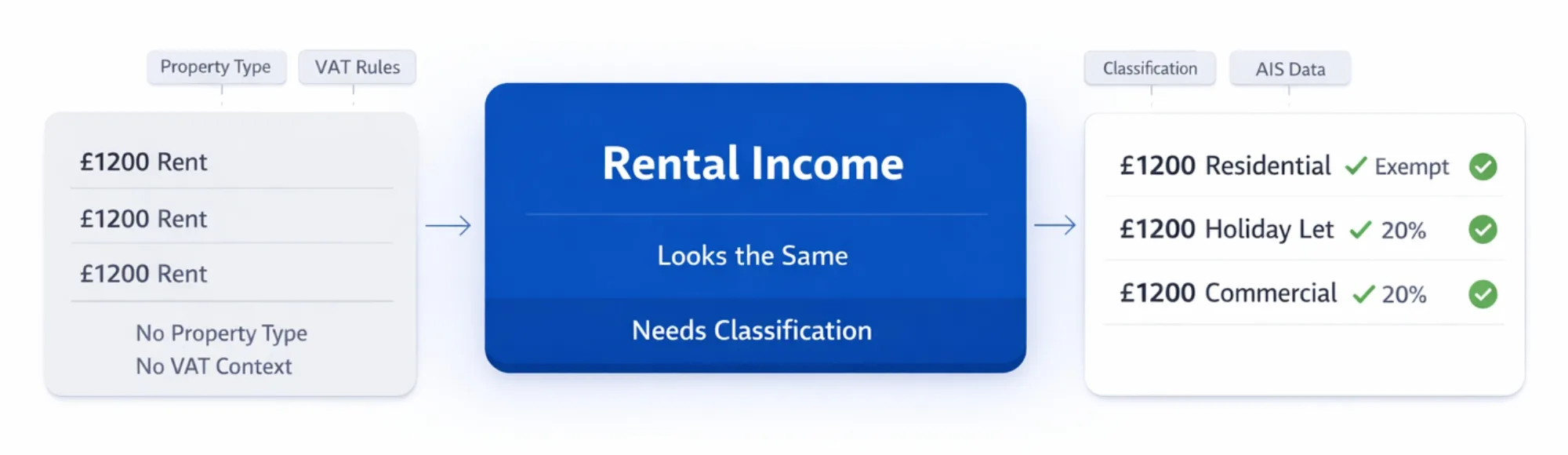
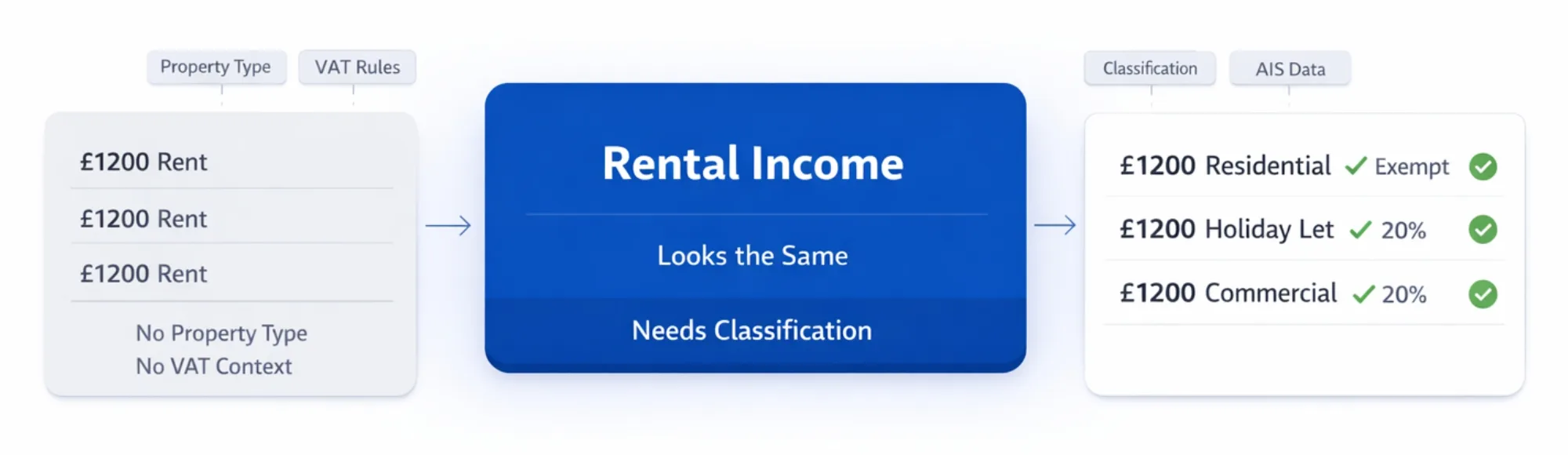
VAT on Rental Income UK: Why Platforms Struggle to Identify and Track Taxable Rent
VAT on rental income UK is not a straightforward tax rule for platforms. Residential, commercial, and holiday let income arrive in the same bank feed with labels that do not identify VAT treatment. This blog covers how VAT on rental income HMRC rules apply, where misclassification happens, and how structured bank data fixes the problem.
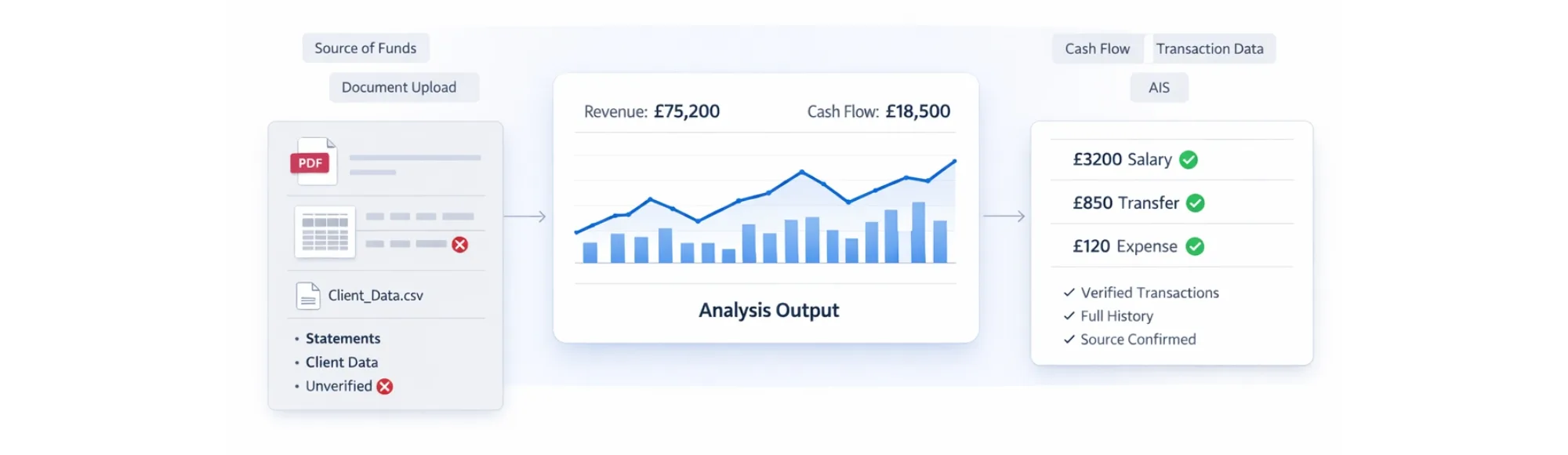
Financial Due Diligence: Why Transaction Services Fail Without Verified Financial Data
Financial due diligence breaks when the underlying transaction data cannot be independently verified. For Lawtech platforms, accounting firms, and compliance SaaS, document-based inputs create gaps that undermine every analysis built on top. This blog covers what financial due diligence requires, where transaction services fail to deliver it, and how bank-verified data fixes the input layer.
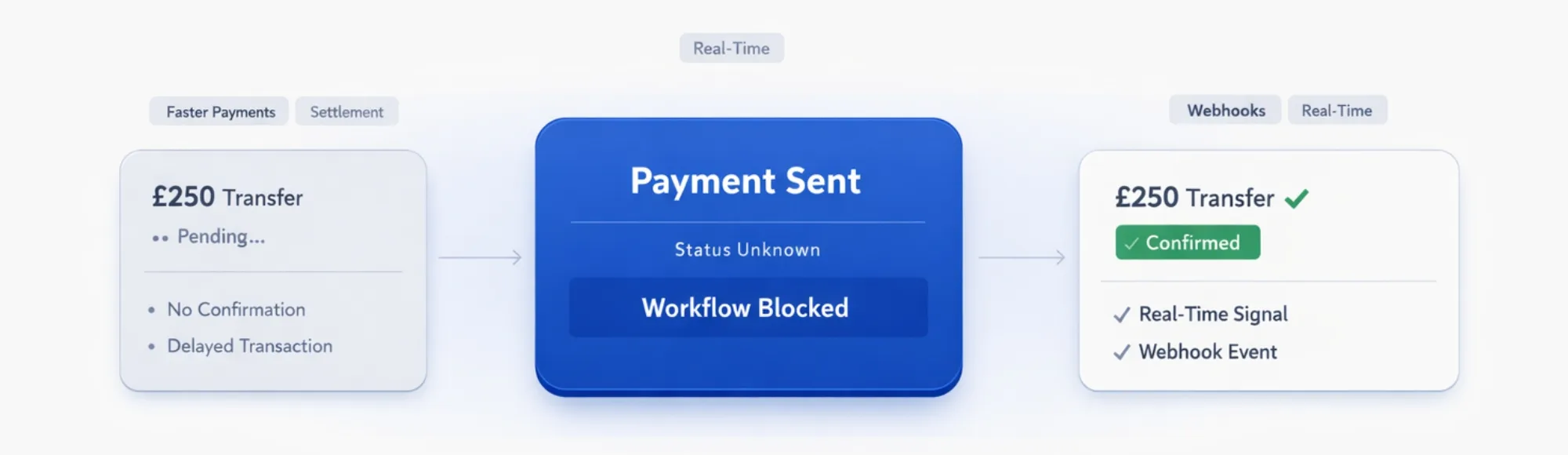
Delayed Bank Transfer: Why Your Platform Never Knows If Payments Cleared
Delayed bank transfer is not just a speed problem for platforms. It is a visibility problem. When a payment is initiated but unconfirmed, EPOS platforms cannot fulfil, payroll platforms cannot close disbursements, and billing platforms cannot reconcile. This blog covers why delayed transactions leave platforms without payment status – and how real-time confirmation fixes it.
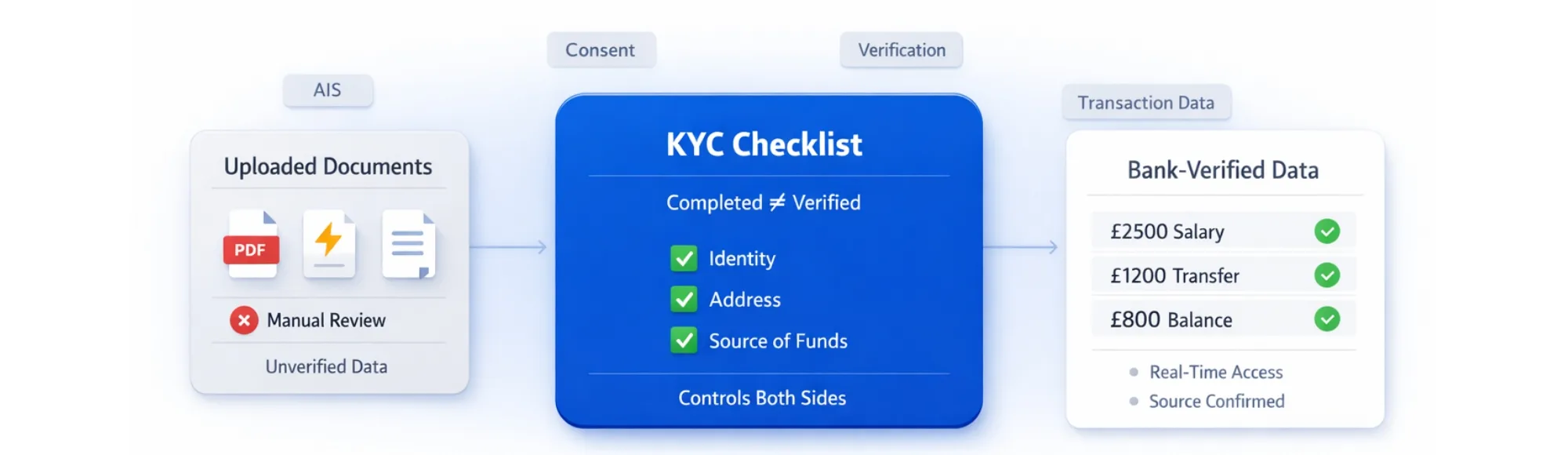
Client Onboarding KYC Checklist: What Platforms Must Verify (and Why It Often Fails)
Client onboarding KYC checklist failures are rarely about missing steps. They happen because the data behind each step is unverifiable. For Lawtech, compliance SaaS, and accounting platforms, document-based KYC financial services workflows create gaps that structured bank transaction data closes. This blog covers the checklist, where it breaks, and how to fix the data layer.

Ivy Pricing in 2026: Fees, Hidden Costs, and Smarter Alternatives
Get Paid Faster with Finexer Connect with 99% of the UK Banks and Scale Your Business without Limits Try Now If you’re here trying to make sense of Ivy pricing, you’re not alone. Many finance teams hit the same wall: no public rates, no pricing calculator, and no clear idea of what it’ll actually cost […]
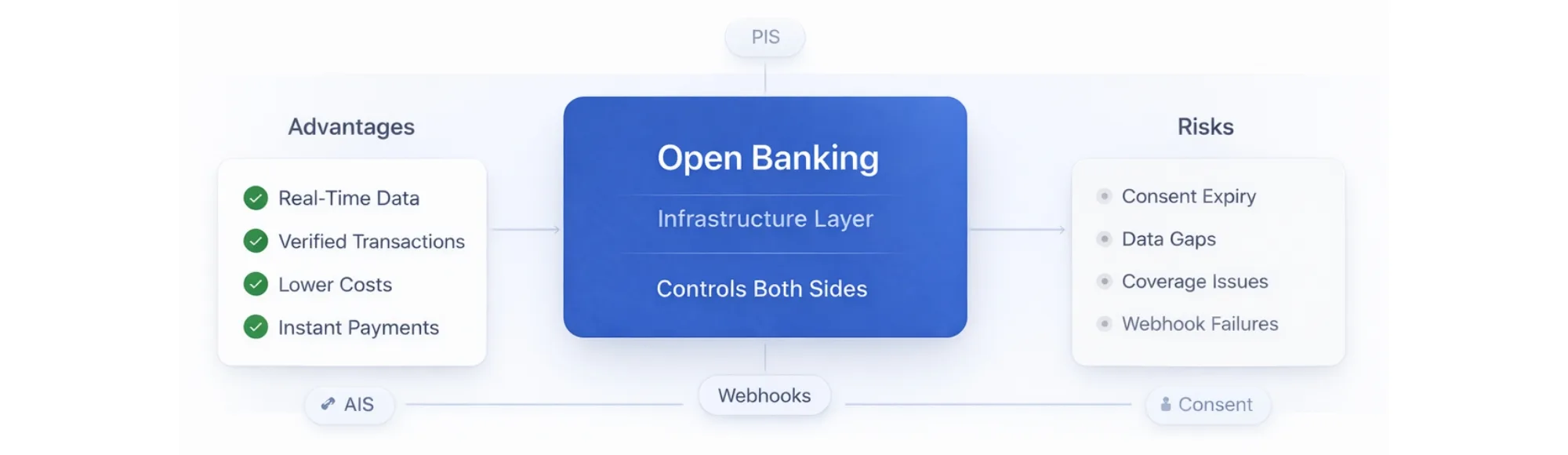
Open Banking Advantages: What Platforms Gain (and the Risks They Must Solve)
Open banking advantages are real – lower payment costs, bank-verified data, and faster financial workflows. But the risks of open banking are equally real for platforms building on it. Consent expiry, coverage gaps, and data inconsistency are operational problems, not theoretical ones. This blog covers both sides from a platform perspective, not a consumer one.
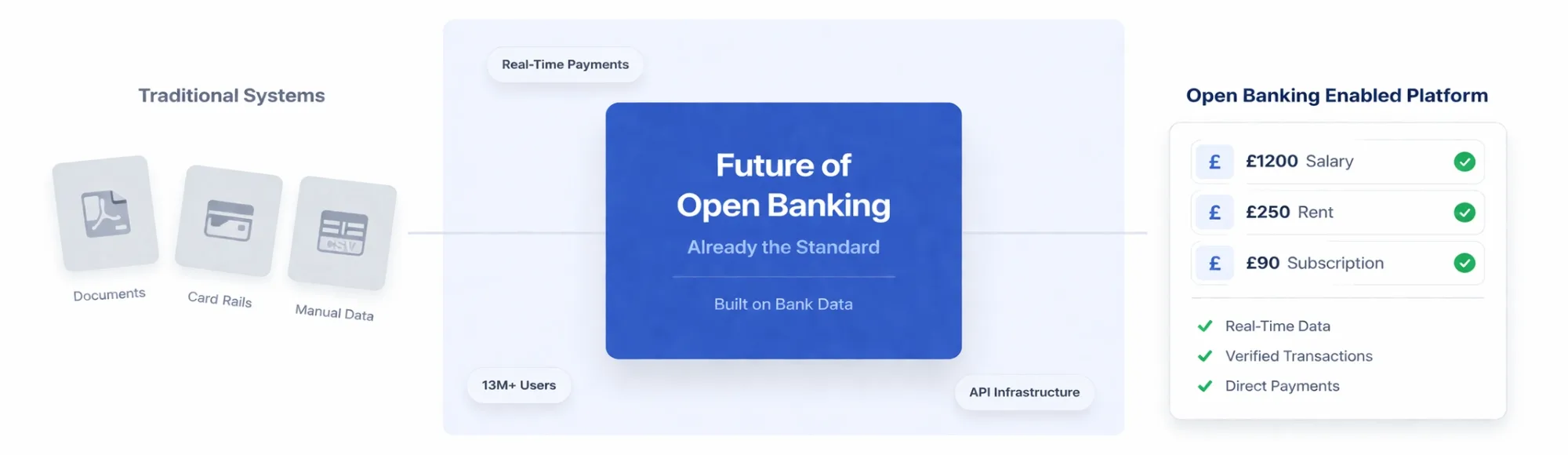
Future of Open Banking: Why It’s No Longer Optional for Financial Platforms
The future of open banking is not a distant roadmap item. It is live, already delivering measurable economic value, and actively separating platforms that have built on it from those that have not. This blog covers whether open banking is mandatory, what the economic data shows, and why the infrastructure shift decision cannot be deferred.
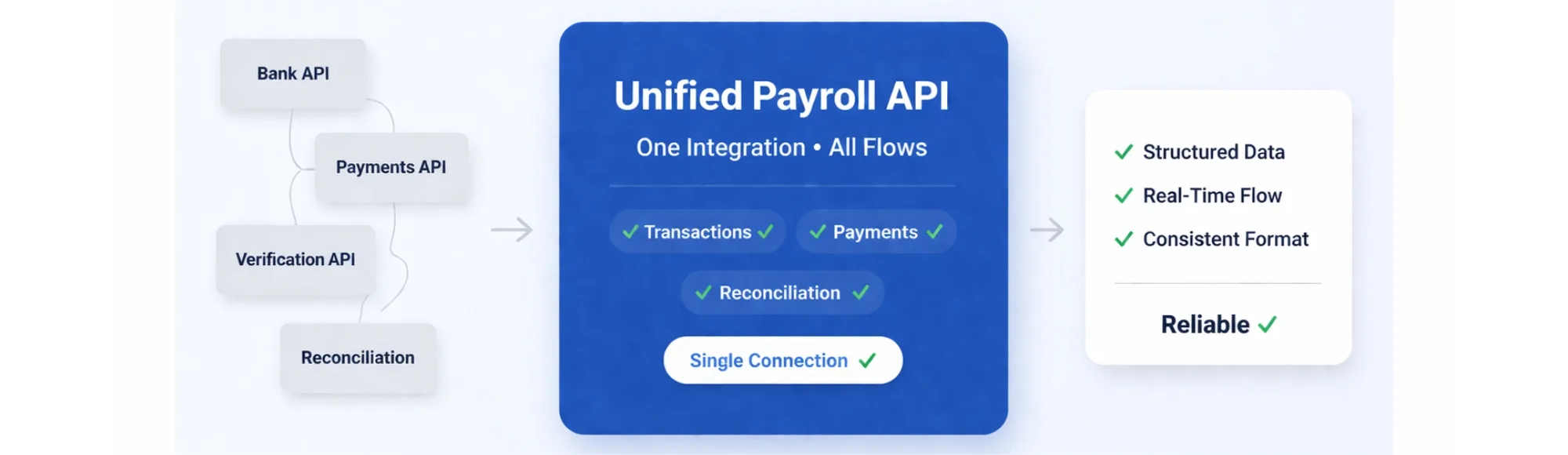
Payroll Data: Why Platforms Need a Unified API Instead of Fragmented Integrations
Payroll data across fragmented integrations is costing SaaS and fintech platforms engineering resource and reliability. What is payroll data at the infrastructure level is not just salary records – it is transaction feeds, disbursement flows, and reconciliation data that should run through one API. This blog covers why unified API infrastructure fixes the fragmentation problem permanently.
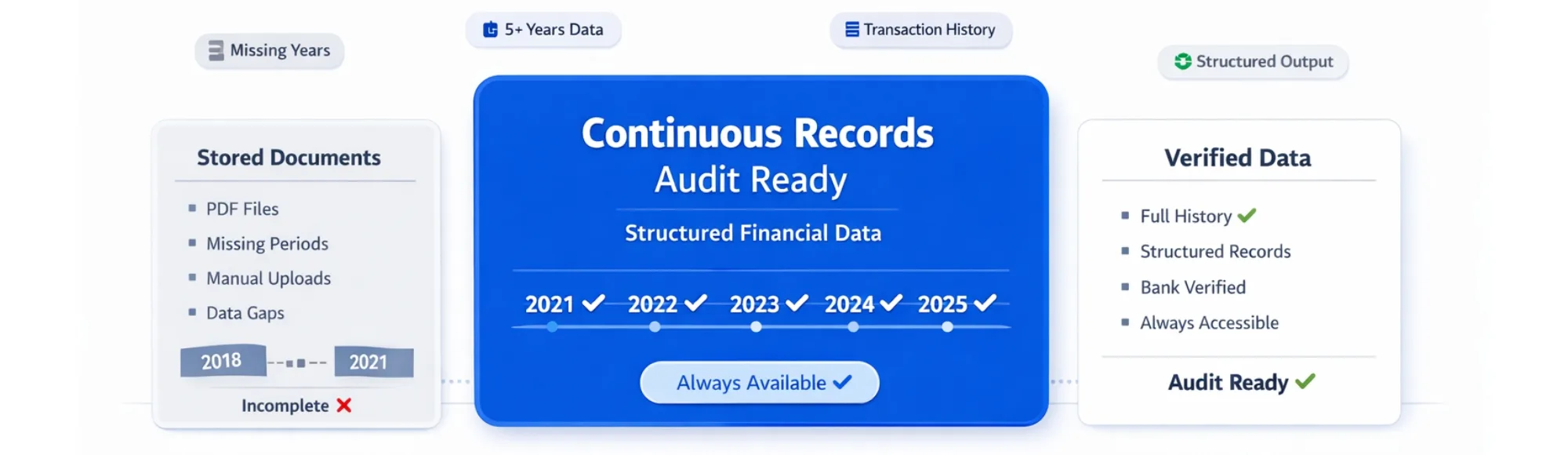
HMRC How Long to Keep Records: Why Platforms Need Continuous, Audit-Ready Financial Data
HMRC how long to keep records is a compliance requirement every UK business must meet – but for accounting SaaS and tax platforms, it is also a data infrastructure question. This blog covers the HMRC requirement to keep records by business type and how continuous, structured bank transaction data makes audit-ready recordkeeping practical at scale.
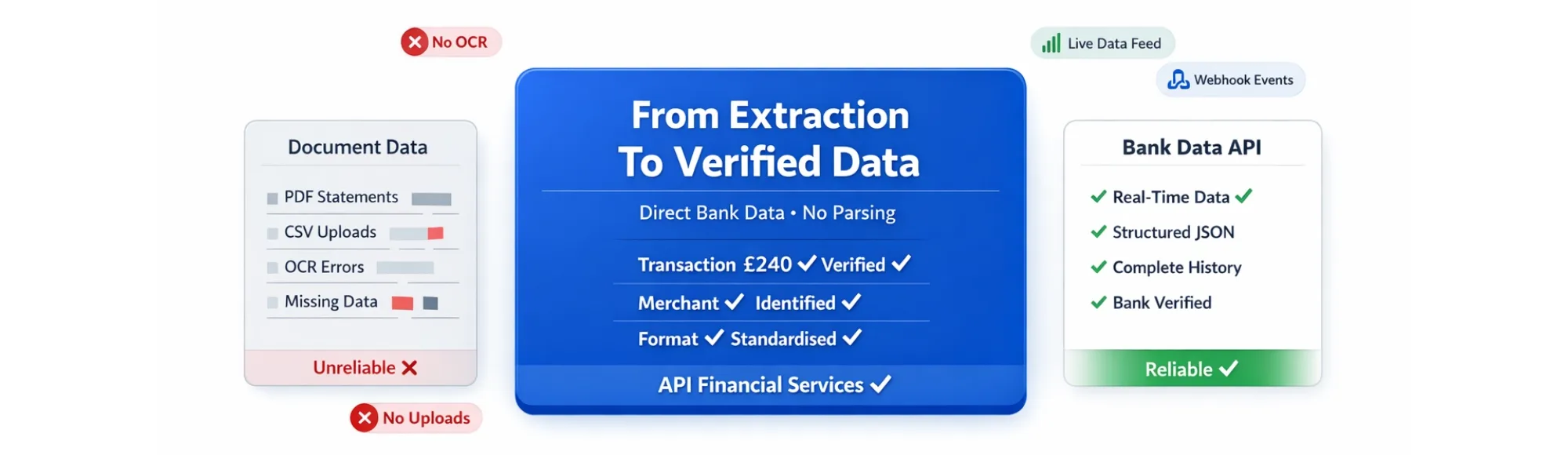
Financial Data Extraction: Why Platforms Are Moving from Documents to API Financial Services
Financial data extraction from PDFs and CSVs is actively breaking platform workflows at scale. For UK accounting SaaS, LawTech, and ERP platforms, the extraction layer creates errors, costly delays, and unverifiable data. This blog covers why financial data extraction fails structurally and how API financial services replace the broken input layer with verified bank data.
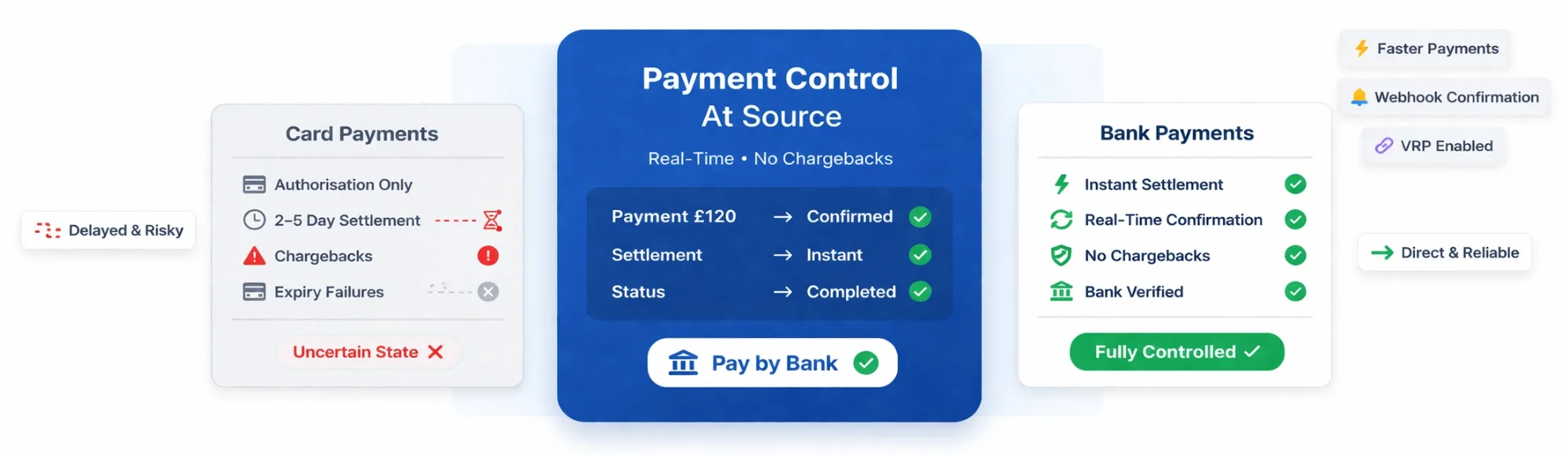
Pay by Bank Open Banking: How Platforms Gain Control Over Payments Beyond Card Rails
Card rails are costing you margin and control on every transaction. Finexer provides FCA-authorised Pay by Bank and VRP infrastructure for UK platforms. Contact Now Pay by bank open banking is not a cost optimisation play. It is a control play. At Finexer, I work with EPOS platforms and payment SaaS providers that move to […]
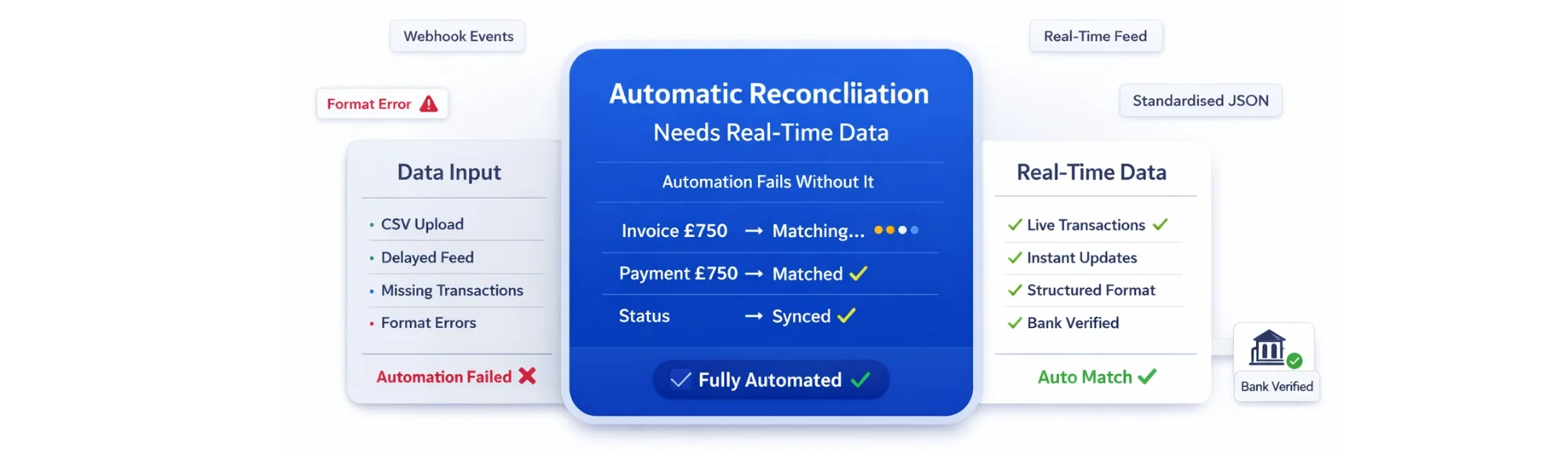
Automatic Bank Reconciliation: Why Reconciliation Automation Fails Without Real-Time Financial Data
Automatic bank reconciliation fails before matching logic even runs. For UK accounting SaaS and ERP platforms, reconciliation automation consistently breaks at the data input stage – not the matching engine. This blog covers why delayed, inconsistent financial data is the root cause, and how real-time bank transaction data via Open Banking AIS fixes it permanently.