Finexer Open Banking Blogs

Payment Initiation Services: Complete UK Guide for 2026
Learn what a Payment Initiation Service (PIS) is, how it works in the UK, and why it’s changing the way businesses handle payments using open banking APIs.
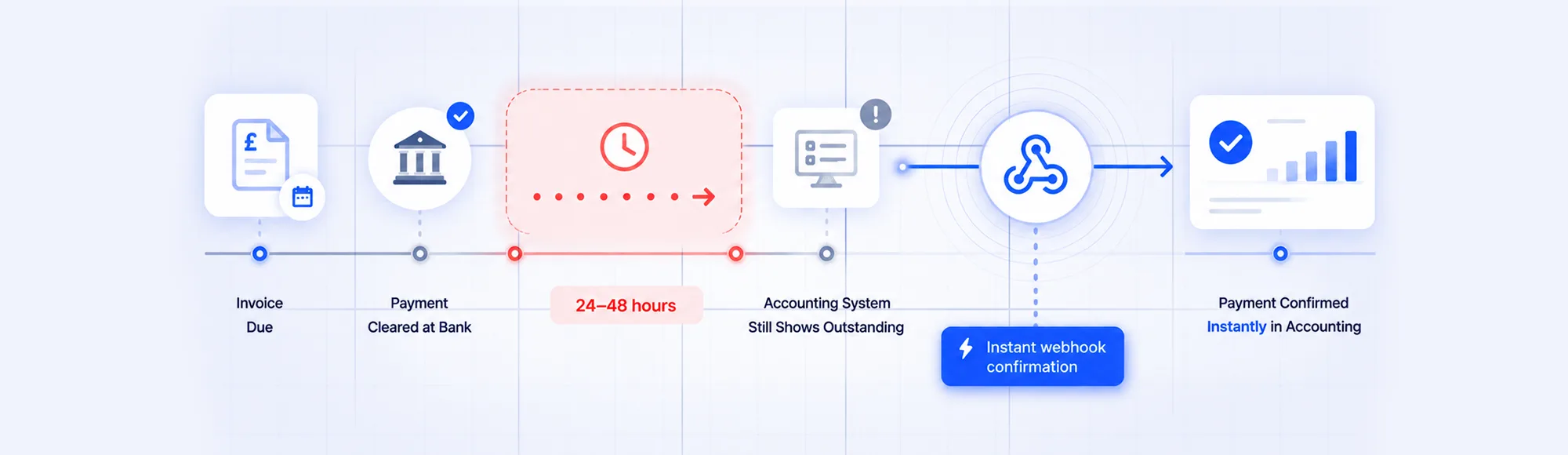
Late Payment of Commercial Debts: The Proven Fix Beyond Legal Enforcement
Late payment of commercial debts costs the UK economy £11 billion a year and closes 38 businesses every day. Legal rights exist but enforcement is reactive. This blog covers why late payments persist despite the law, what real-time accounting data changes operationally, and how platforms can reduce overdue invoices before they become a collections problem.
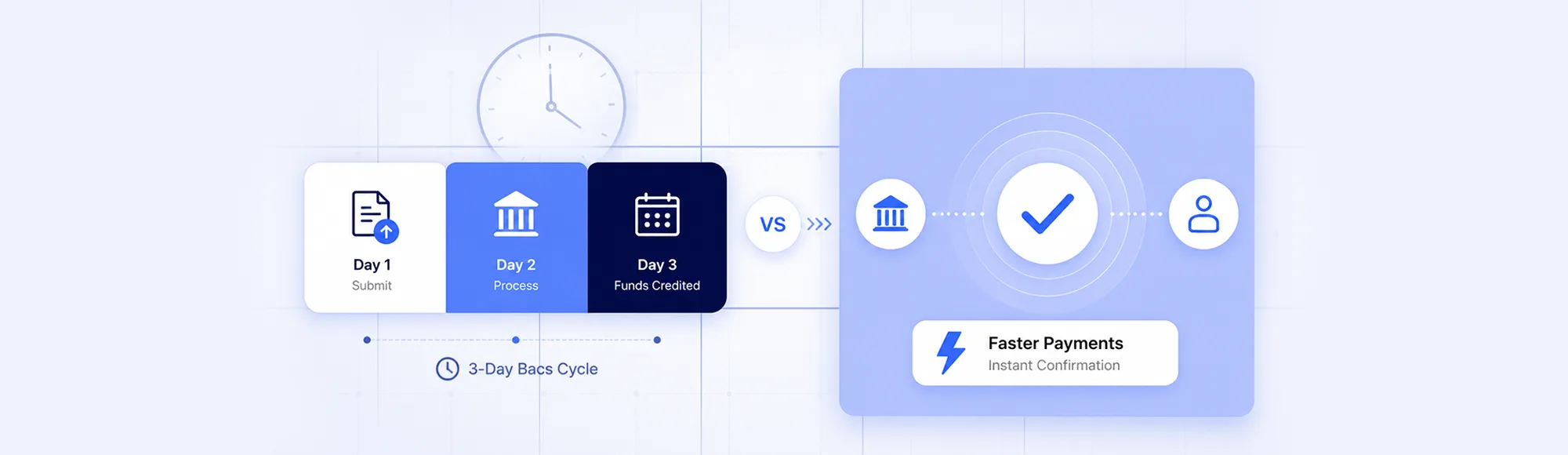
Bacs Payment: Proven for Payroll, Wrong for Real-Time Workflows
A Bacs payment is core UK payroll infrastructure – used by 8 in 10 UK employees to receive their wages. But the 3-day settlement cycle creates problems for SaaS platforms needing real-time payment confirmation. This blog covers what a Bacs payment is, when it works well, and when modern platform workflows need something considerably faster.
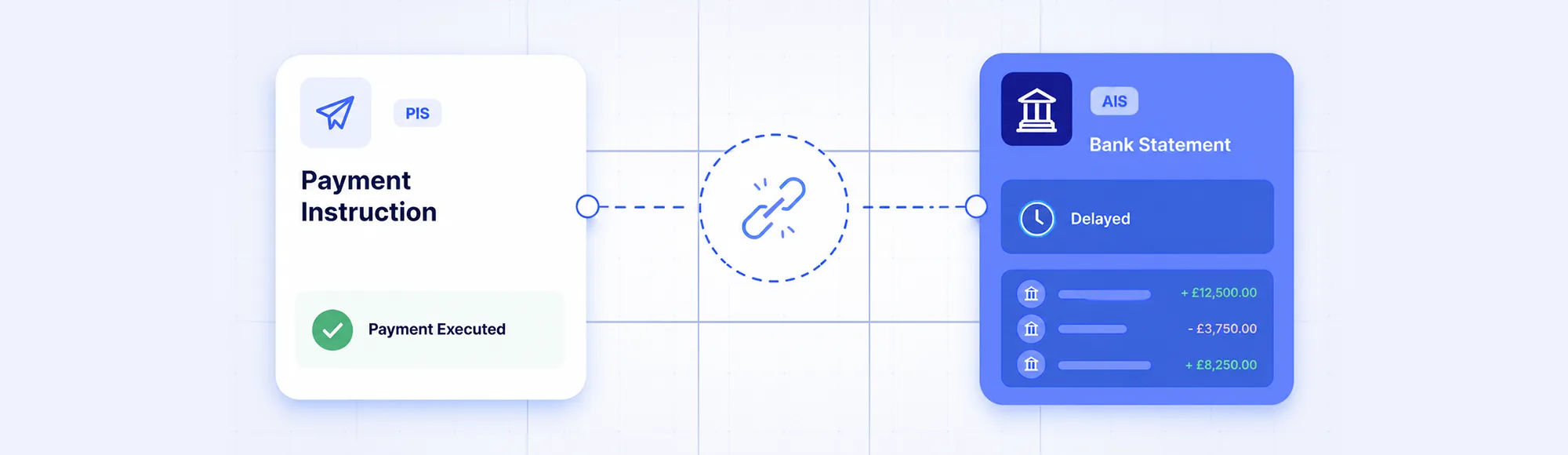
Payment API Integration: Why Payments and Data Must Work Together
Payment API integration works in the sandbox. It breaks in production when payments execute but financial data does not follow. Reconciliation fails. Cash position drifts. This blog covers why payment API integration depends on open banking data sharing to work reliably – and what the connected payments-plus-data workflow actually looks like for B2B platform teams.
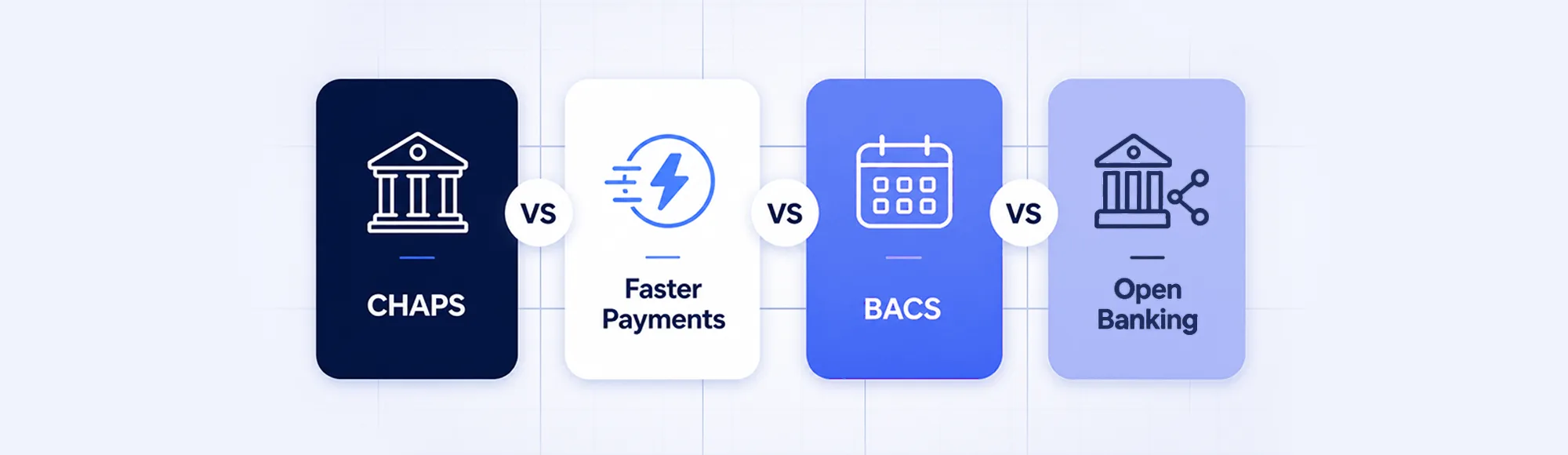
CHAPS Payment: When It Makes Sense (and When It Doesn’t)
A CHAPS payment is the UK’s same-day, high-value bank transfer – essential for property completions, large corporate transfers, and time-critical settlements. But at £20-£35 per transaction, it is one of the most expensive methods available. This blog covers what a CHAPS payment is, when it is the right choice, and when Faster Payments works better.
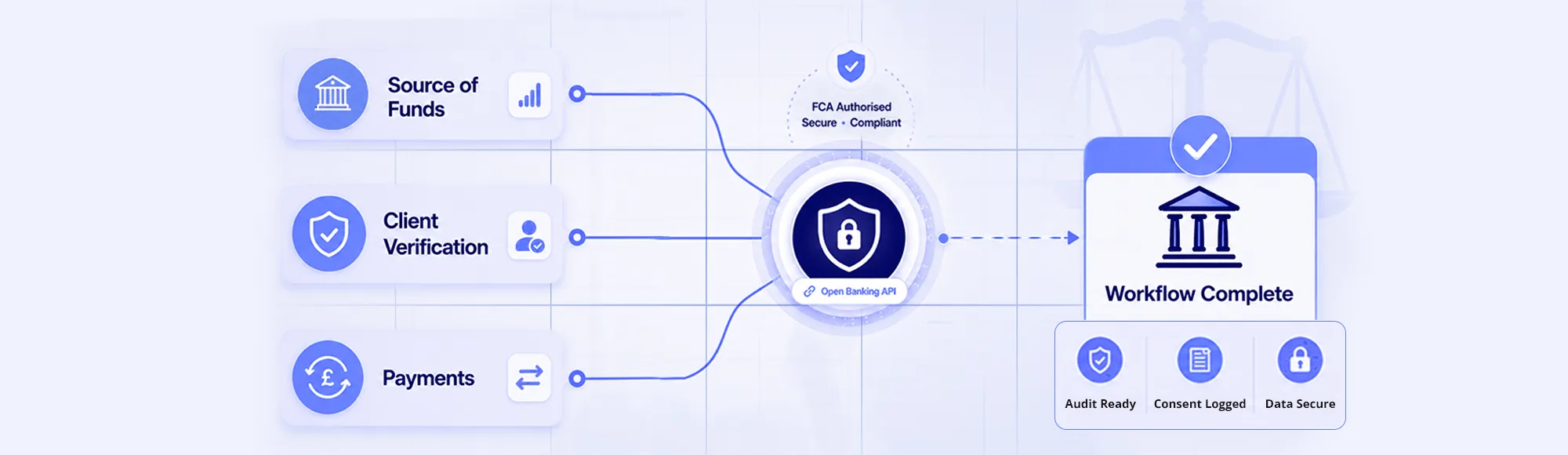
5 Best Budget Open Banking Tools for Solicitors: Choosing by Workflow
Open banking tools for solicitors are not all built for the same workflow. Source of funds checks need bank data access. Conveyancing payments need payment initiation. Client verification needs identity checks. This blog compares the best budget open banking tools for solicitors by workflow – helping law firms and Lawtech platforms choose the right tool.

Automated Expense System: Building Reliable Financial Workflows
An automated expense system is only as reliable as the data feeding it. Receipt scanning captures submitted claims. Bank transaction data captures actual financial reality. This blog covers what powers reliable expense automation for accounting SaaS, ERP, and expense management platforms – and how structured bank transaction data fundamentally changes automated expenses accuracy at scale.

Invoice Payment Overdue: Stop Losing Cash to Manual Collections
Invoice payment overdue situations are almost always blamed on customers. The real cause is often the payment method – too many steps, too much friction, too easy to defer. This blog covers why overdue invoices persist, what UK law allows you to charge, and how platforms can reduce overdue invoice rates at the system level.
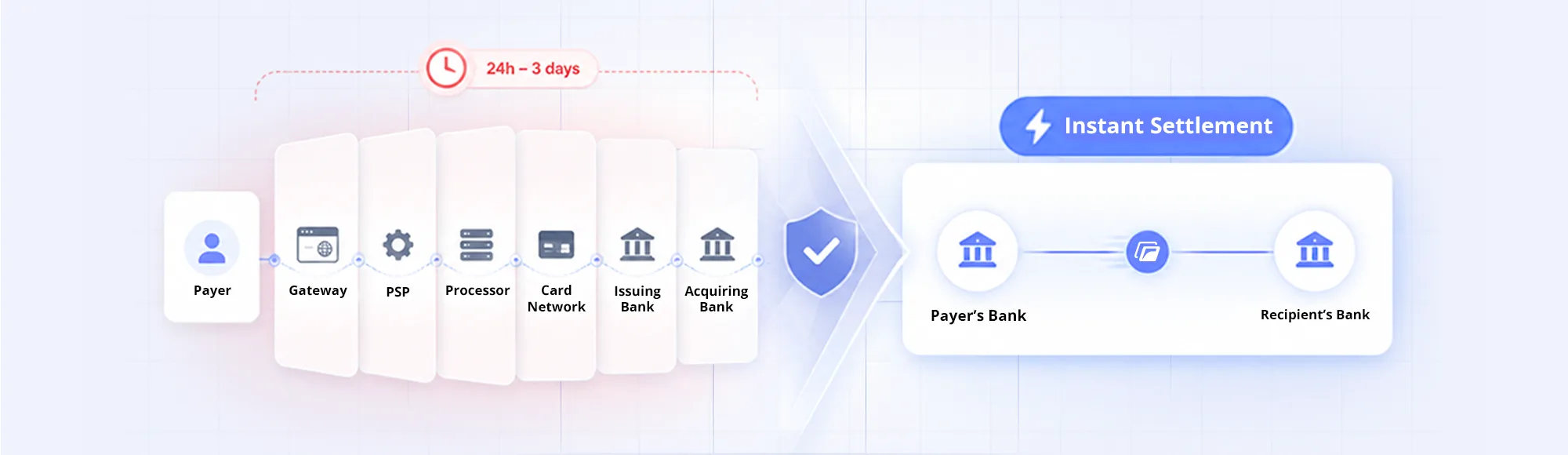
Delay Payments: Why Proven Infrastructure Fixes Slow Settlement
Delay payments are often blamed on banks. The real cause is the infrastructure sitting between the payer and the recipient. This blog explains how payment service provider vs payment processor structure creates settlement delays, where delays actually occur in the chain, and how direct bank-based payment flows reduce the intermediary layers that slow them down.
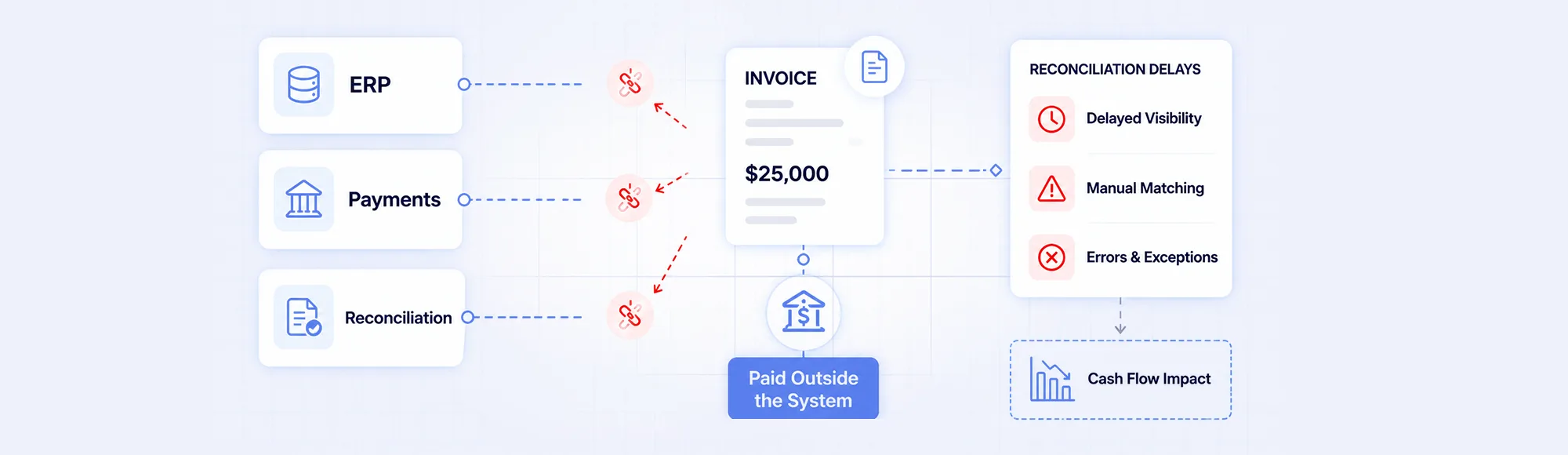
Accounts Payable Invoice Processing: Reliable Connected Workflows
Accounts payable invoice processing breaks at the payment step. Invoices are managed in the ERP. Payments happen outside it. Reconciliation happens later – manually, from delayed bank data. This blog covers where the invoice payment process disconnects, the operational impact on accounting SaaS and ERP platforms, and how connecting payments and bank data fixes it.
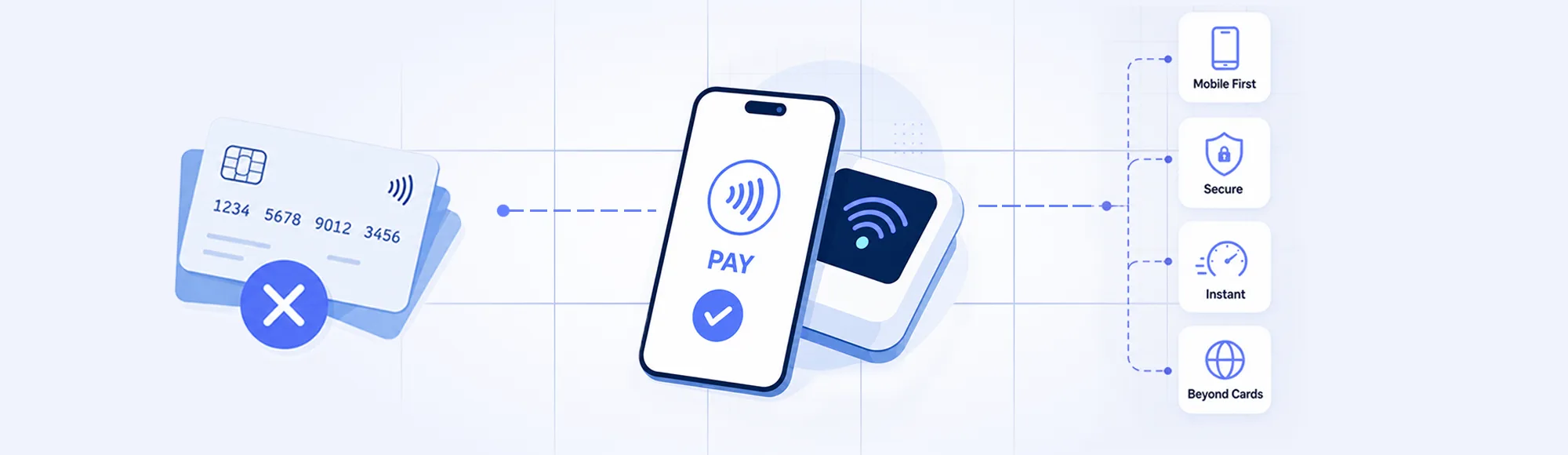
Contactless Mobile Payment Solutions: Proven Path Beyond NFC Cards
Contactless mobile payment solutions have moved well beyond NFC card taps. QR-based and bank-based touchless payment options now offer EPOS platforms, utility billing, and payment SaaS, a faster and lower-cost alternative to card-network-dependent contactless. This blog covers how the infrastructure shift works, what it means for payment platforms, and where Open Banking fits in practice.
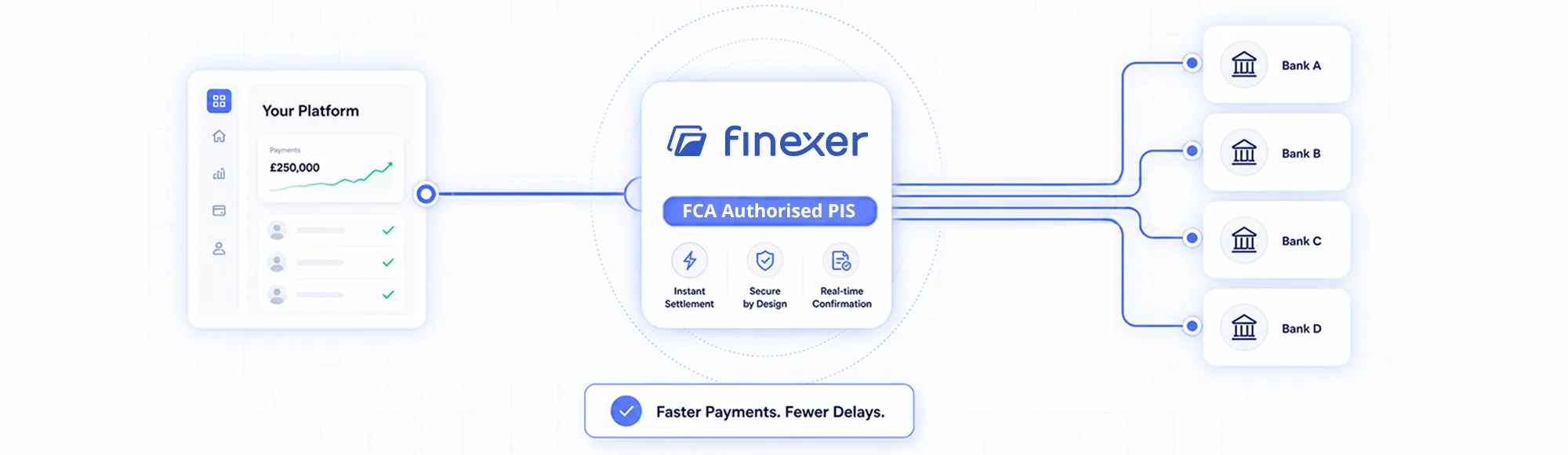
Proven API Banking Platform Guide: What Actually Matters in Production
Most API banking platform evaluations start with endpoints and feature documentation. They should always start with production reliability instead. This blog covers what actually determines which open banking platform has the best API for UK product teams, and compares the top five UK providers on real criteria that matter once integration moves beyond the sandbox.

Best Payment Gateways UK 2026: 7 Top Providers Reviewed
Most UK businesses pick a payment gateway at launch and never revisit it. Six months in, they are paying 2.5% effective rates on a 1.5% gateway. International surcharges, chargebacks, and FX fees compound in ways the headline rate never shows. This comparison covers 7 UK payment gateway providers with verified 2026 fees and honest trade-offs.

Best MTD Compliant Software 2026: 7 UK Tools Compared
MTD compliant software is mandatory for every UK VAT-registered business. From April 2026 it also applies to sole traders and landlords with qualifying gross income above £50,000. This comparison covers 7 HMRC-compatible MTD compliant software options – free to premium – covering VAT, Income Tax Self Assessment, and Excel bridging workflows for 2026 and beyond.
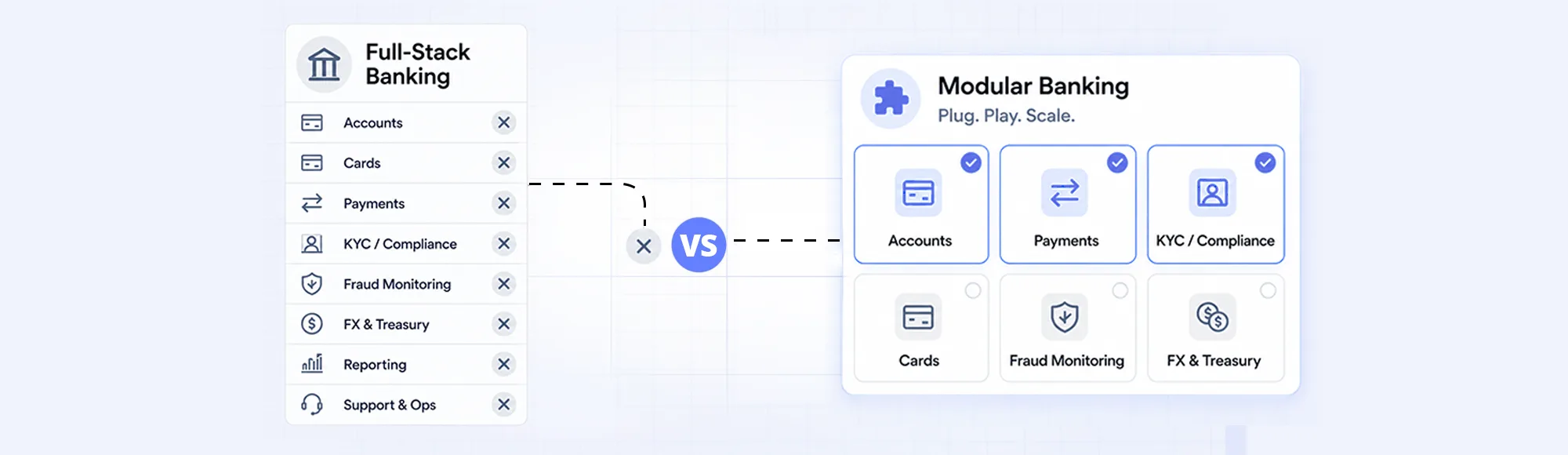
Scalable White Label Finance: Building Financial Features With Open Banking APIs
White label finance solutions let platforms embed financial features – payments, bank data, and identity verification – without building full banking infrastructure from scratch. Not every approach suits existing SaaS. This blog covers what white label finance requires for accounting SaaS, Lawtech, and billing platforms, and why modular Open Banking infrastructure delivers it significantly faster.
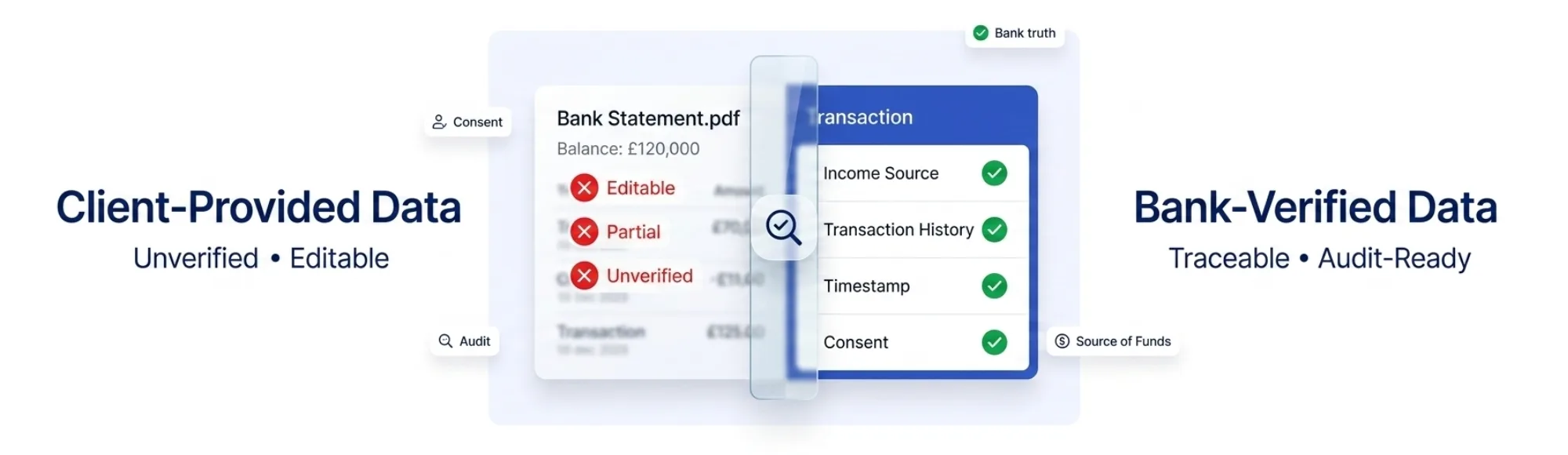
Enhanced Client Due Diligence: Making Compliance Work in Practice
Enhanced client due diligence is a mandatory requirement under MLR 2017 Regulation 33 for high-risk clients, PEPs, and complex transactions. Most EDD workflows still rely on manually collected documents that cannot be independently verified. This blog covers what EDD requires, when it applies, and how a structured client due diligence checklist works reliably in practice.
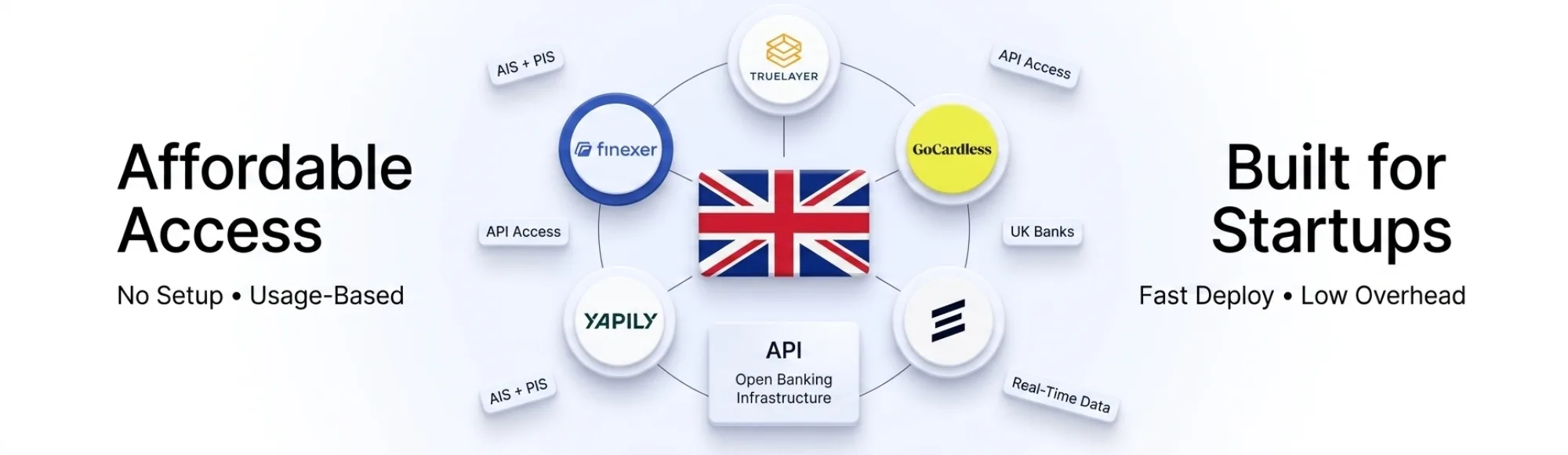
5 Best Affordable Open Banking Providers for UK Startups and SMEs
Affordable Open Banking for startups and SMEs means more than the lowest headline price. It means lower integration complexity, faster deployment, and less operational overhead overall. This blog compares the top five UK Open Banking providers on affordability, covering pricing models, deployment speed, and what actually determines open banking affordability for early-stage and SaaS platforms.
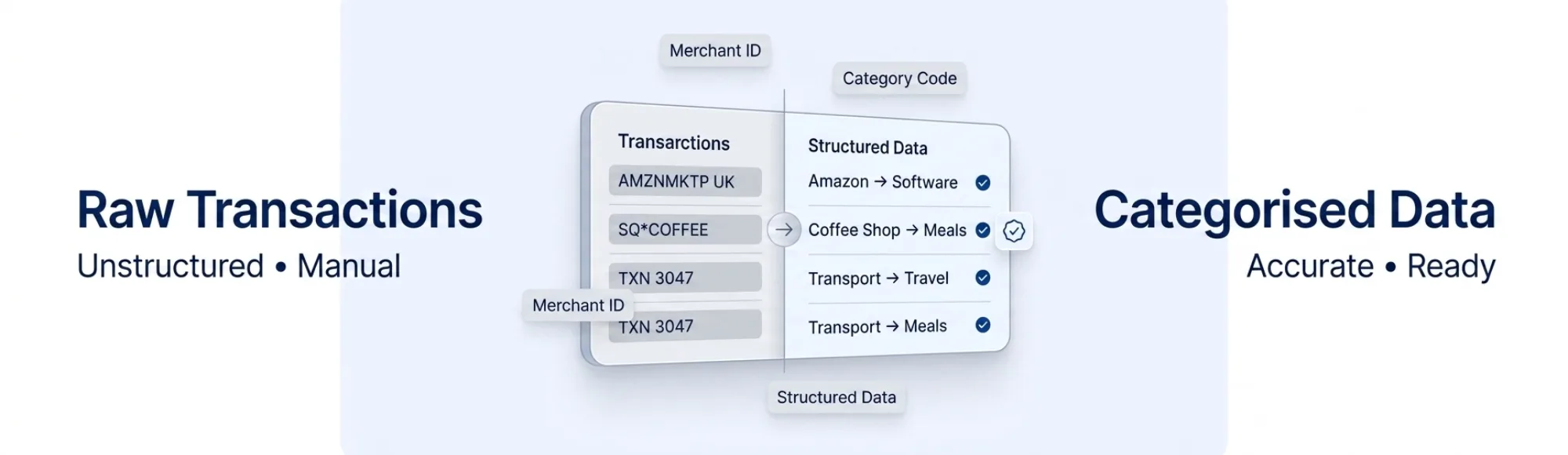
Expense Categorisation: Building Accurate Financial Workflows
Expense categorisation determines the accuracy of every financial report, reconciliation cycle, and HMRC submission a platform produces. This blog covers what actually drives accurate expense categorisation at scale, how transaction categorisation accuracy improves when structured bank data arrives at source, and where Finexer’s AIS fits as the data layer for UK accounting and ERP platforms.
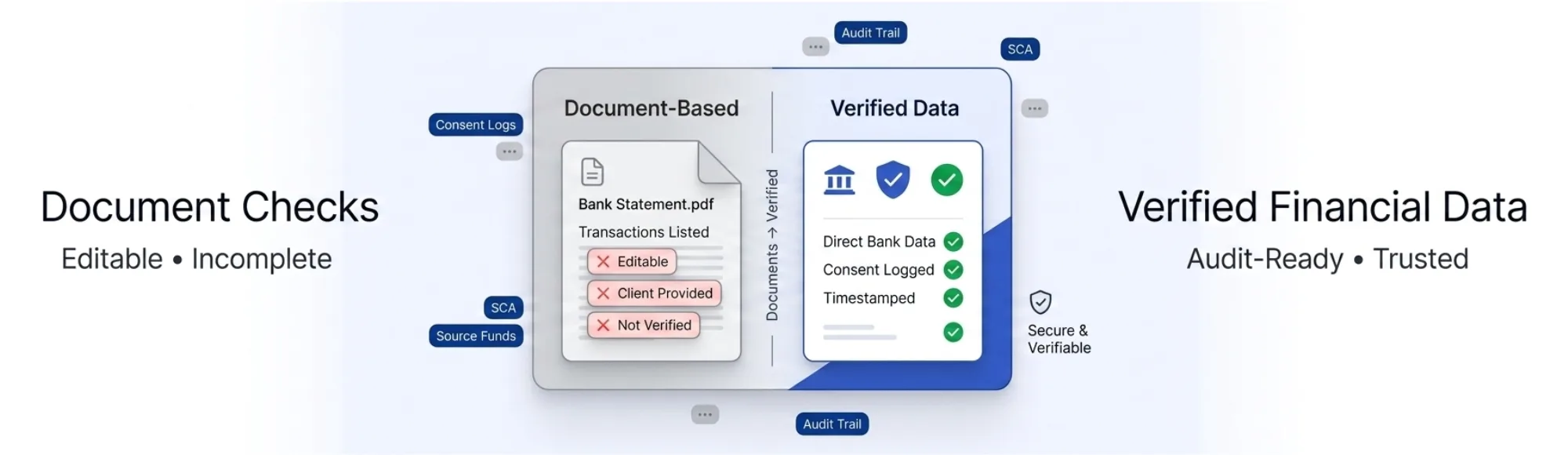
Client Due Diligence Solutions: Why Verified Data Beats Documents
Client due diligence solutions that rely only on documents leave compliance gaps that auditors and regulators can identify. PDFs can be altered. The source of funds cannot be independently verified from a statement alone. This blog covers why document-based CDD creates risk for Lawtech, conveyancing, and compliance platforms, and how verified bank data improves the process.
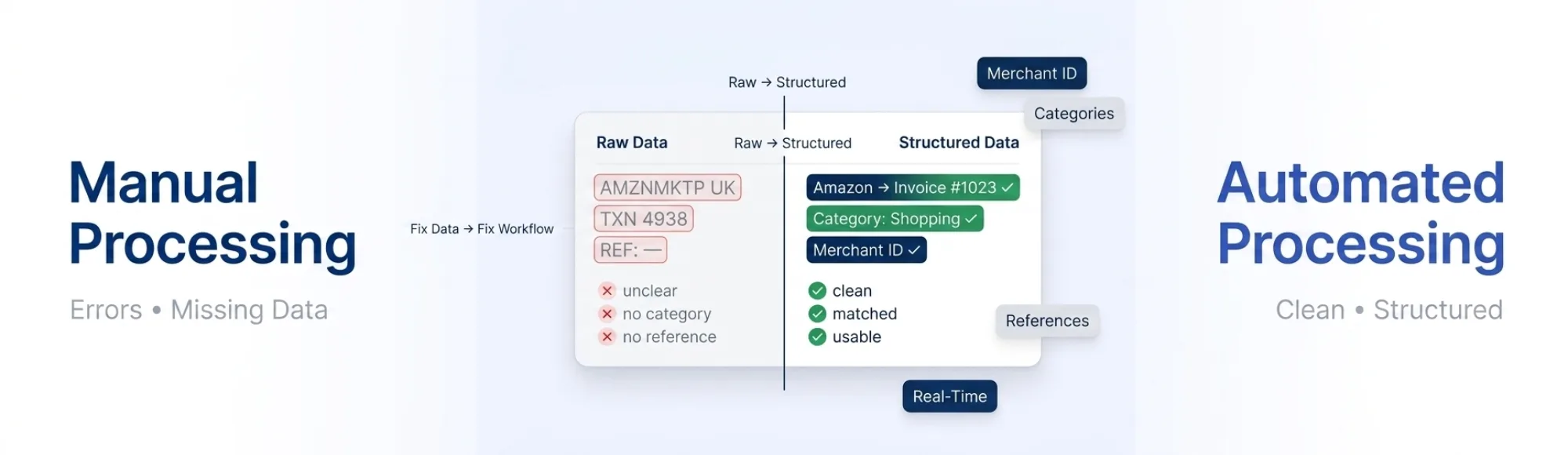
Manual Transaction Processing: Why Reliable Solutions Still Fall Short
Manual transaction processing persists across accounting SaaS, ERP, billing, and Lawtech platforms even when automation tools are already running. The root cause is fragmented bank data – not the software itself. This blog covers why transaction processing solutions fall short without direct bank data access and what platforms need to reduce manual handling at source.
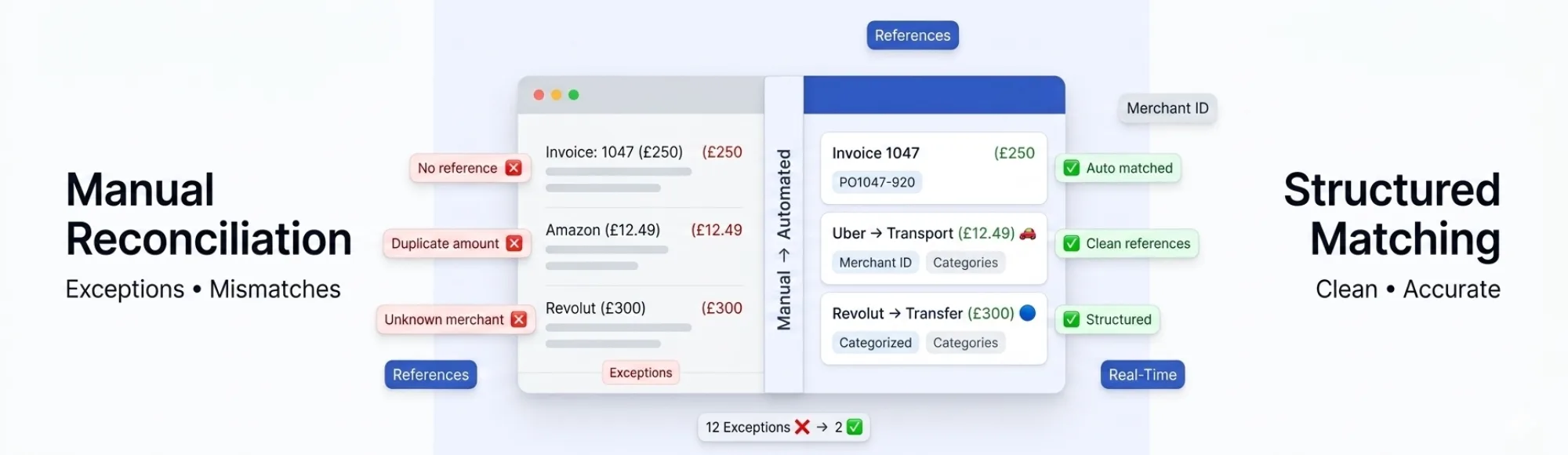
Manual Reconciliation Payments: Why Automation Still Fails
Manual reconciliation payments slow financial workflows. See why manual bank reconciliation persists and how structured bank data reduces the effort.
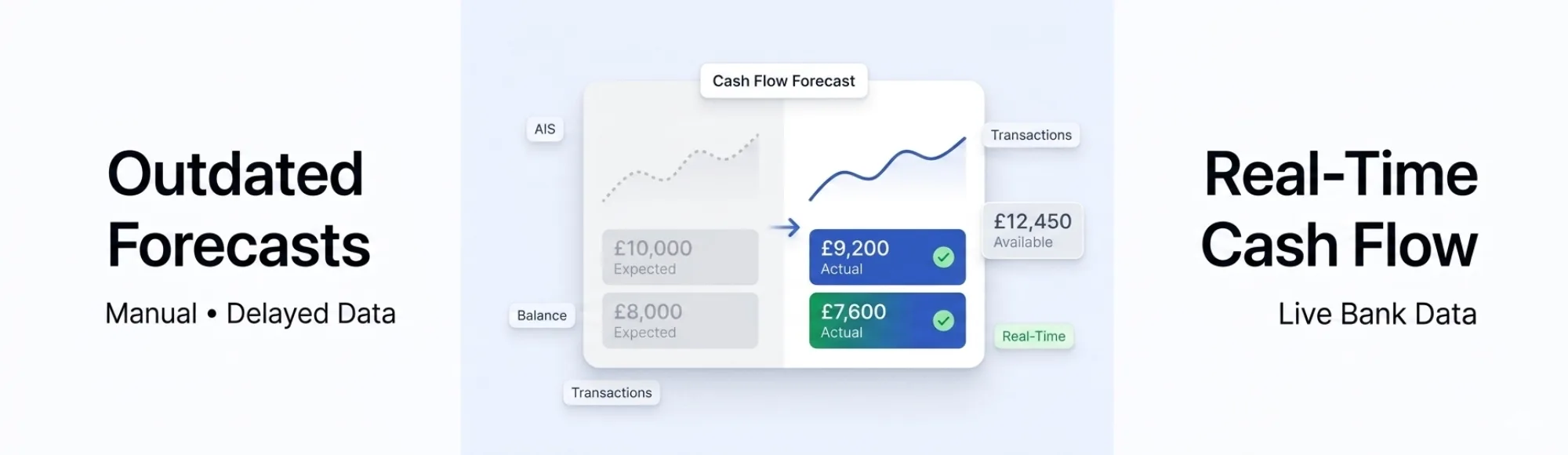
Cash Flow Forecast for Startup Business: Building Accurate Financial Planning
A cash flow forecast for startup business estimates future cash inflows and outflows to maintain liquidity. Forecasts built on delayed or manual data give a distorted picture. This blog covers what cash flow forecast financial planning requires, where traditional approaches fall short, and how real-time bank transaction data makes startup forecasts more accurate and reliable.
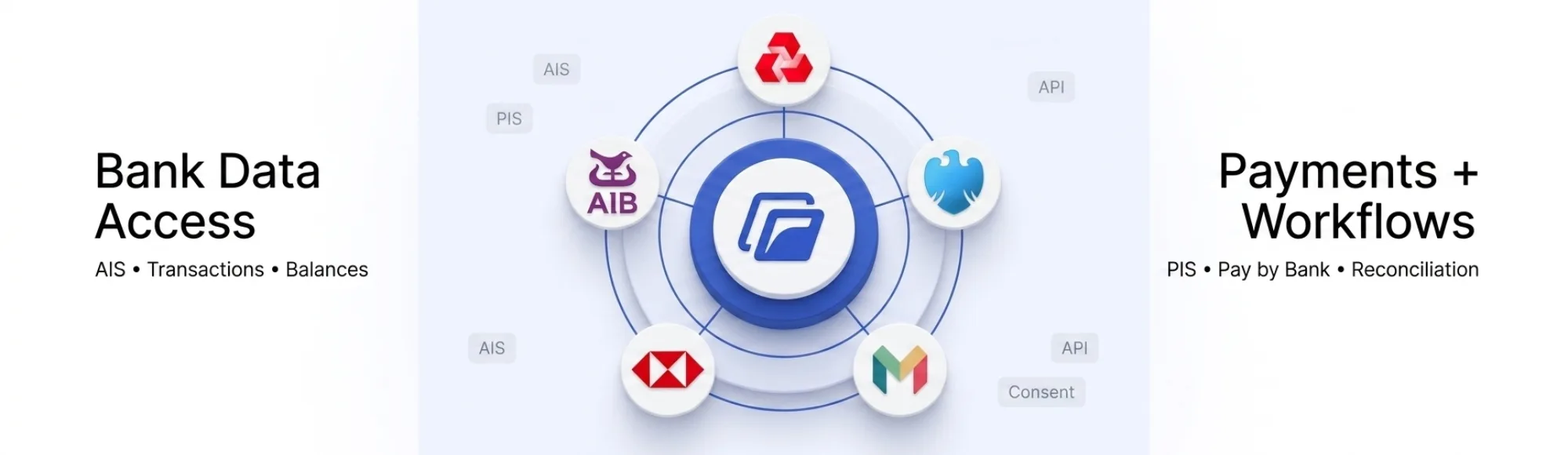
Finexer Open Banking: Infrastructure for Reliable Financial Workflows
UK-only. FCA-authorised. Bank data and payments in one integration. Open Banking infrastructure for accounting, Lawtech, EPOS, and billing platforms. Contact Now Finexer Open Banking provides API-based access to bank transaction data and payment initiation through Open Banking infrastructure. It enables platforms to retrieve structured financial data, initiate account-to-account payments, and build reliable financial workflows using […]
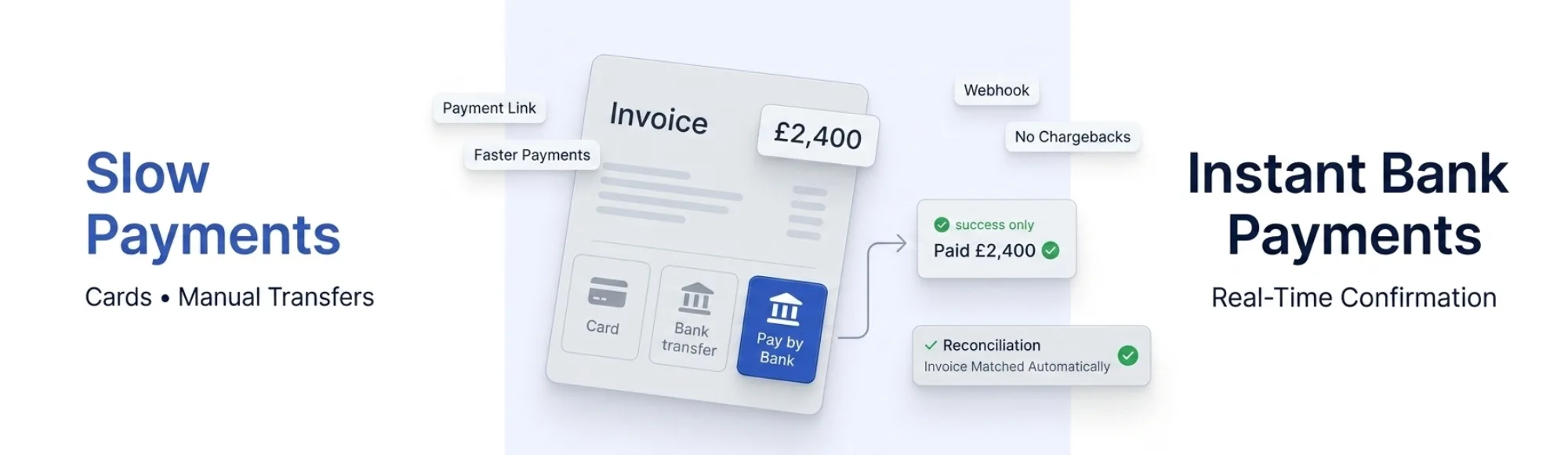
Invoice Payment Methods: Faster Payments and Smarter Workflows
Bank-based invoice payments. Instant confirmation. Zero chargebacks. Open Banking payment initiation and bank data for invoice workflows. Contact Now Invoice payment methods include bank transfers, card payments, and account-to-account payments via Open Banking. The invoice payment process involves issuing an invoice, selecting a payment method, and confirming receipt – with modern methods enabling faster settlement […]
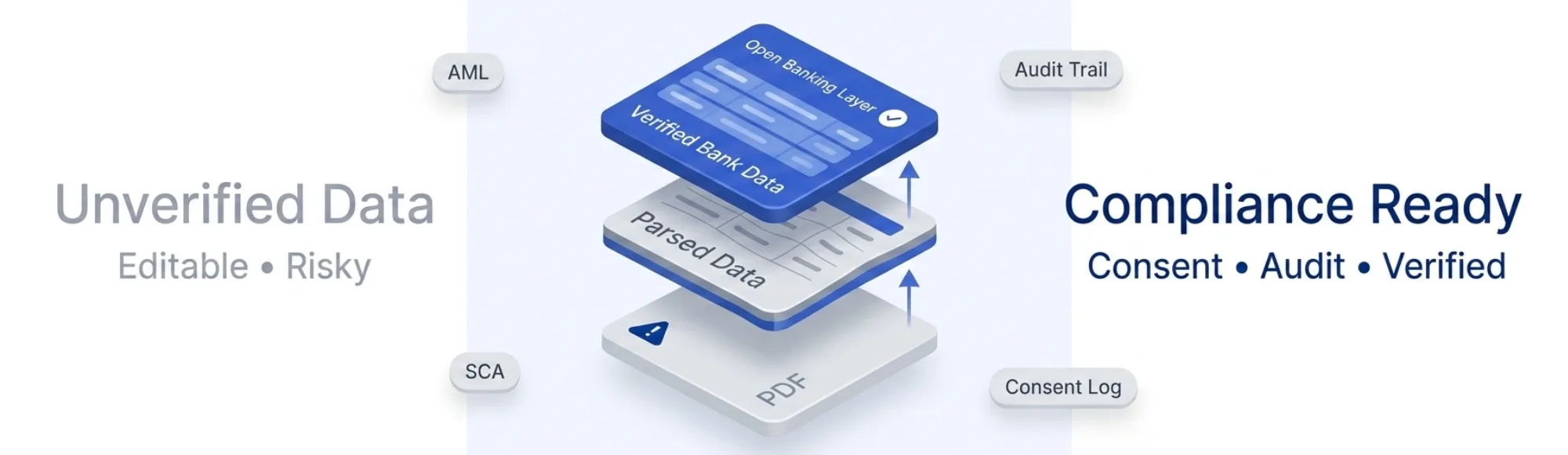
Cheapest Way to Fetch Client Bank Statements for Solicitors (Without Compliance Risk)
The cheapest way to fetch client bank statements for solicitors is not always the most compliant. Manual PDFs are manipulable. Document scraping tools are unreliable. This blog compares three methods solicitors use to fetch client bank statements, explains the compliance risk in each,
Secure Financial Data Access: Best Fintech Solutions for Safe API Integration
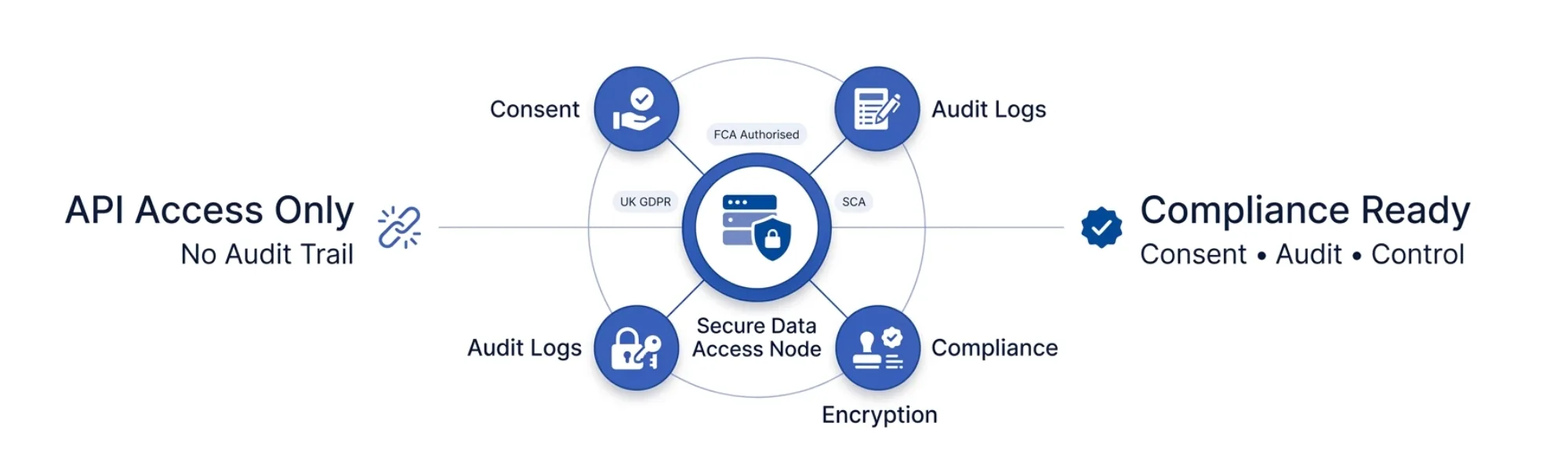
Secure financial data access in fintech requires more than encrypted API connections. It demands consent logging, audit trails, FCA-authorised infrastructure, and data security in financial services compliance under UK GDPR. This blog covers what secure financial data access means in practice, where platforms get it wrong, and how to evaluate providers on real compliance criteria.

Payment Integration via APIs: 5 Best Fintech Payment APIs for Fast, Reliable Integration
Payment integration via APIs allows fintech platforms to accept, process, and manage transactions without building payment infrastructure from scratch. Choosing the right payment API determines integration speed, data flow, and whether payments and bank data come from one provider or several. This blog compares five leading options to help fintech platforms make the right decision.
Open Banking Data Networks: 5 Best Providers for Secure Data Sharing in Fintech
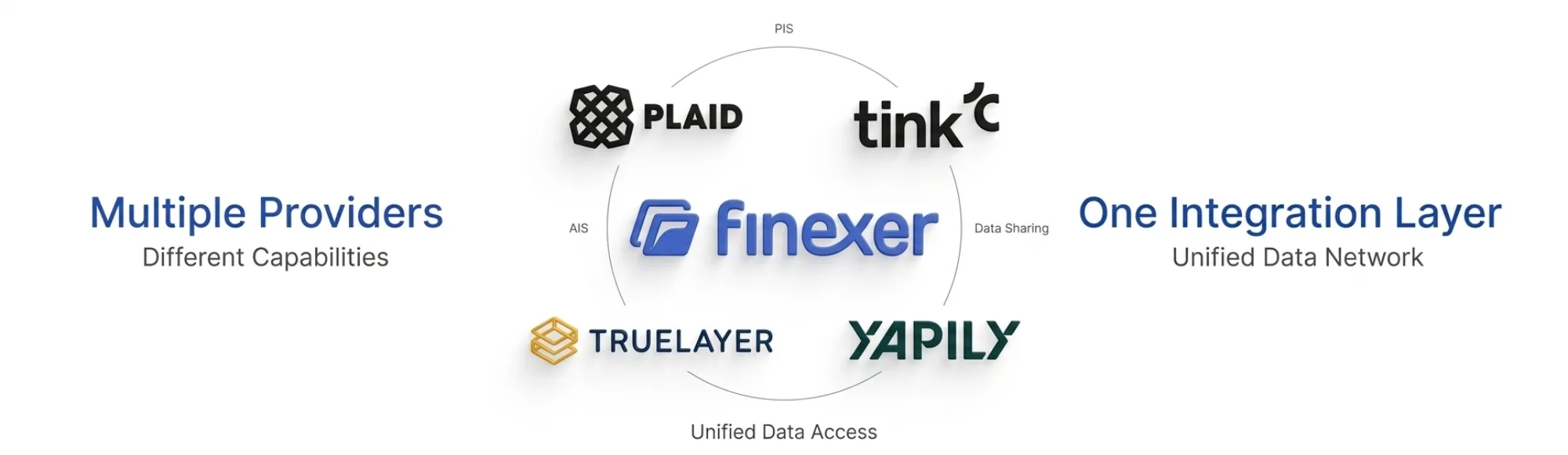
Open banking data networks give fintech platforms consented access to bank transaction data across multiple institutions through a single API. Choosing the right provider determines data quality, UK bank coverage, and whether open banking data sharing supports your payment workflows. This blog compares five leading providers to help UK fintech platforms make the right decision.
MTD Income Tax 2026: Why Most Systems Aren’t Ready
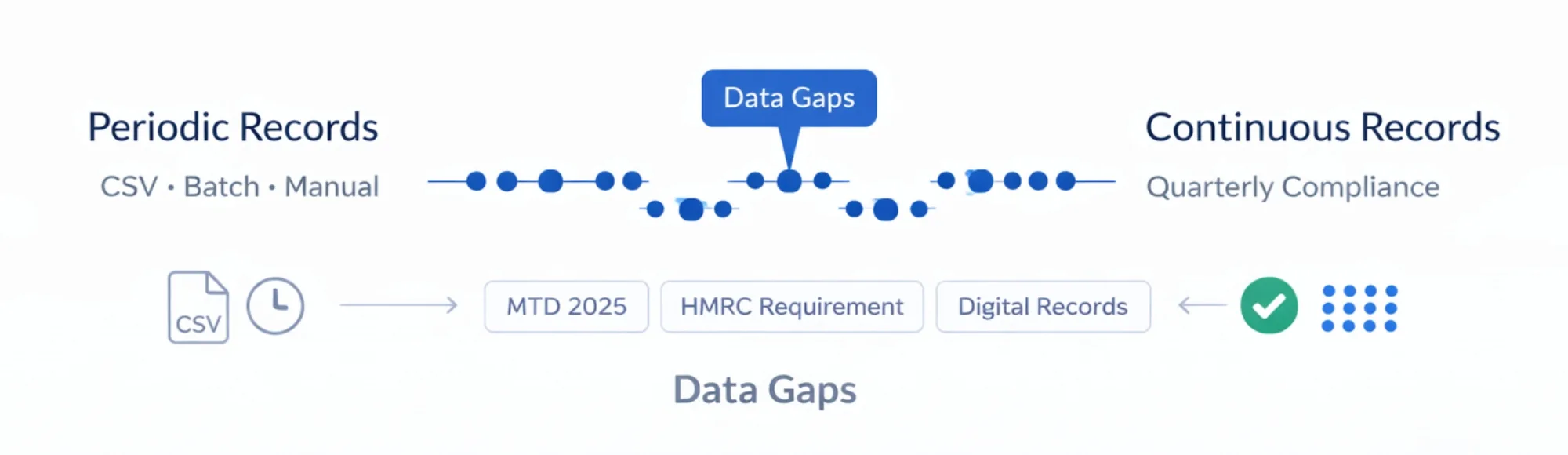
MTD income tax 2026 goes live on 6 April 2026 for self-employed individuals and landlords earning over £50,000 combined gross income. Most accounting and tax platforms treat MTD as a standard compliance feature update. It is not. MTD is a data infrastructure requirement. This blog covers why most current systems break and what must change.
Open Banking Payment Limits: Why Transactions Fail
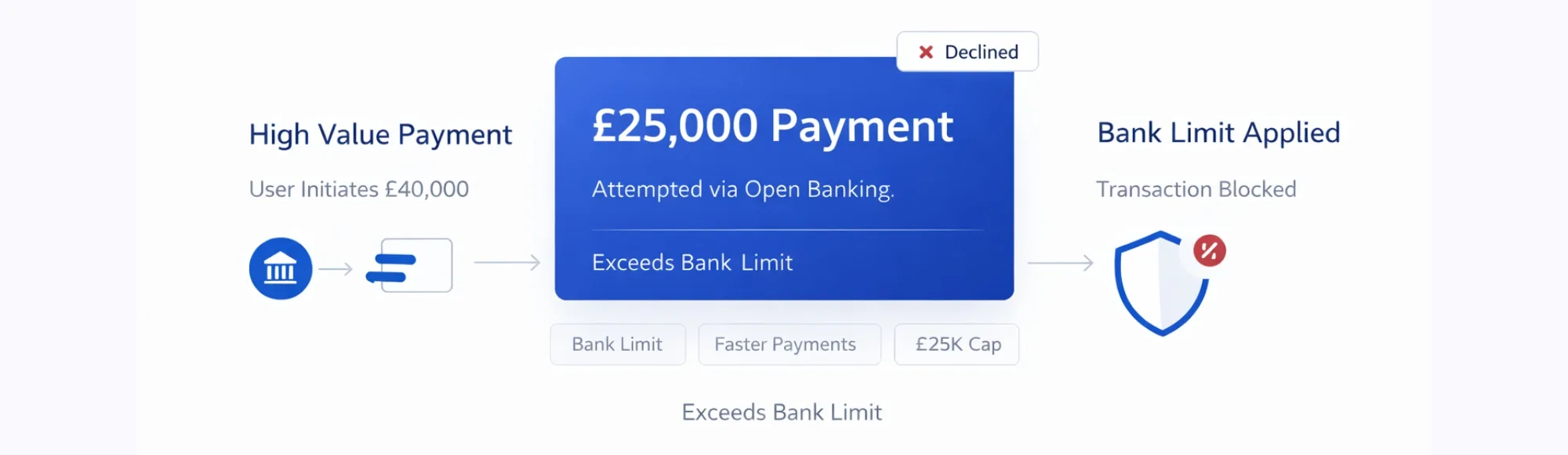
Open banking payment limits are set by individual banks, not Open Banking itself. For product and payment teams, this creates a hidden friction problem. Transactions fail at the bank level, users drop off, and operational overhead grows. This blog covers how UK open banking limits affect real payment flows and what platforms do about it.